What is Chemotherapy?
Chemotherapy, also known as cancer treatment chemotherapy, is a systemic medical treatment that uses chemotherapy drugs to target and destroy rapidly dividing cells, including cancer cells. It can be used as a primary treatment to shrink or eliminate tumors, as an adjuvant therapy following surgery or radiation, or to manage advanced cancer by slowing its growth and relieving symptoms.
The chemotherapy procedure involves administering drugs orally, intravenously, or via injection, typically in cycles, allowing the body to recover between sessions. The chemotherapy process is carefully monitored by oncologists and healthcare professionals to maximize effectiveness while minimizing side effects. Patients often experience temporary effects on healthy rapidly dividing cells, which is why after chemotherapy care is an essential part of treatment.
What are the types of chemotherapy?
There are several chemotherapy types, each using specific chemotherapy drugs to target cancer cells differently. The choice of therapy depends on the type of cancer, its stage, location, and the patient's overall health. Common types include:
- Alkylating Agents: These drugs damage the DNA of cancer cells to stop their growth. Example: Cyclophosphamide. Commonly used for leukemia and lymphoma. Side effects may include secondary cancers.
- Antimetabolites: These interfere with DNA and RNA synthesis, preventing cancer cells from dividing. Example: Methotrexate. Used for leukemia, breast, and ovarian cancers. Side effects include bone marrow suppression.
- Plant Alkaloids: These stop cell division by disrupting microtubules in cancer cells. Examples: Vincristine, Paclitaxel. Used for breast, lung, and lymphoma. Side effects may include neuropathy.
- Antitumor Antibiotics: These disrupt DNA and RNA in cancer cells. Example: Doxorubicin. Used for leukemia and breast cancer. Side effects can include heart and lung toxicity.
- Topoisomerase Inhibitors: These block DNA repair, preventing cancer cells from reproducing. Example: Irinotecan. Used for colorectal and lung cancers. Side effects include diarrhea and low blood cell counts.
- Platinum Compounds: These drugs damage DNA to stop cancer cell growth. Example: Cisplatin. Used for testicular and ovarian cancers. Side effects may include kidney damage.
Understanding the types of chemotherapy helps patients and caregivers anticipate treatment schedules, potential chemotherapy side effects, and plan for after chemotherapy care.
3 to 6 Months Course
Surgery Duration
General and Local anesthesia
Anesthesia Used
Depends on the Chemotherapy Regimen
Hospital Stay
6-1 Year or More
Full Recovery Timeline

Who needs chemotherapy treatment?
Chemotherapy treatment is recommended for patients diagnosed with cancer or certain blood disorders. Individuals whose tumors cannot be surgically removed, or whose cancer has spread (metastatic cancer), may benefit from cancer chemotherapy. It is also considered for patients needing palliative care to relieve symptoms and improve quality of life.
What conditions does chemotherapy treat?
Chemotherapy indications include a variety of medical conditions, primarily cancer:
- Solid tumors: Breast, lung, colorectal, ovarian, and other cancers.
- Blood cancers and hematologic diseases: Leukemia, lymphoma, and multiple myeloma.
- Advanced or metastatic cancers: To slow disease progression and control symptoms.
It can also be used for neoadjuvant therapy to shrink tumors before surgery or radiation and for adjuvant therapy to eliminate residual cancer cells after treatment.
When would a doctor recommend chemotherapy?
Doctors may recommend chemotherapy treatment in situations such as:
- When surgery or radiation alone is insufficient.
- To reduce the risk of cancer recurrence after primary treatment.
- To make tumors more operable through neoadjuvant chemotherapy.
- To manage advanced cancer and control symptoms in palliative care settings.
Why is chemotherapy done?
The primary purpose of cancer chemotherapy is to destroy cancer cells or stop their growth. It is done to:
- Treat primary cancer when other options are limited.
- Reduce tumor size before surgery or radiation.
- Prevent recurrence after surgery.
- Control cancer spread and improve quality of life.
- Manage blood-related cancers like leukemia and lymphoma.
How should I prepare before the chemotherapy procedure?
Preparing for chemotherapy treatment involves both physical and emotional readiness to ensure the best results. Patients should:
- Understand the treatment: Discuss the chemotherapy procedure, including its purpose, duration, and potential chemotherapy side effects, with your oncologist.
- Plan transportation: Arrange rides to and from appointments, as fatigue is common after sessions.
- Nutrition and hydration: Maintain a balanced diet and stay well-hydrated. A dietitian can provide tailored guidance.
- Emotional support: Seek help from family, friends, or support groups to manage anxiety.
- Rest and exercise: Light exercise and adequate rest improve stamina and overall health.
- Dress comfortably: Wear loose-fitting clothes for easier access during cancer chemotherapy sessions.
- Organize personal items: Bring reading materials, music, or entertainment for the duration of treatment.
- Be informed: Learn about what happens in chemotherapy and strategies to manage side effects.
What tests are done before chemotherapy?
Before starting cancer chemotherapy, several tests are performed to ensure safety and effectiveness:
- Blood tests: Assess overall health, blood cell counts, and organ function.
- Imaging scans: Evaluate tumor size and spread.
- Medical review: Your oncologist will review all medications, supplements, and existing health conditions.
These steps are part of the chemotherapy process and help your healthcare team tailor the chemotherapy treatment to your needs.
Should I stop eating, drinking, or taking medicines before chemotherapy?
Your doctor will provide specific instructions based on your chemotherapy procedure:
- Fasting: Some chemotherapy drugs may require you to avoid eating or drinking for a few hours before the session.
- Medications: Inform your doctor about all supplements, vitamins, and prescriptions. Certain medications may need to be paused to reduce side effects or interactions with chemotherapy drugs.
- Hydration: Drinking water is usually encouraged unless your oncologist advises otherwise.
Following these instructions ensures the chemotherapy process is as safe and effective as possible.
Steps Involved in Chemotherapy Procedure
Chemotherapy is a treatment approach commonly used to treat cancer. It involves by using medications to target and destroy cancer cells or slow their growth. The specific steps involved in a chemotherapy procedure can vary depending based on the type of cancer, the chemotherapy drugs being used, and the patient's individual needs.
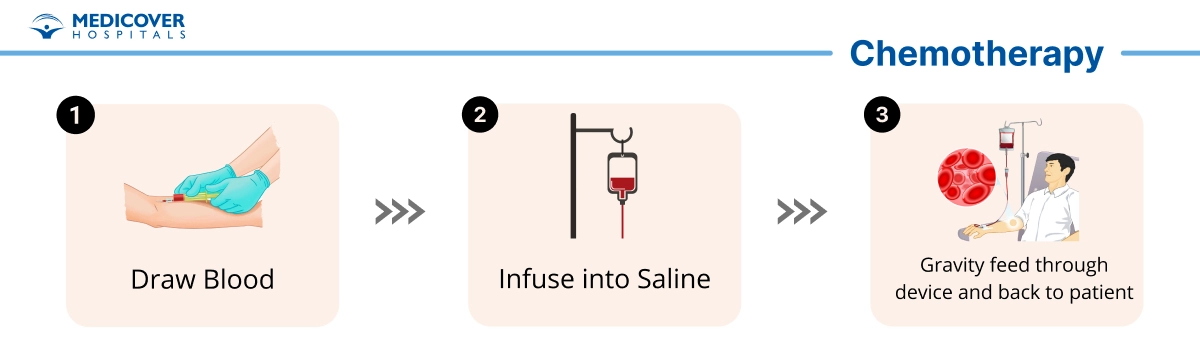
However, here are the general steps involved in a chemotherapy procedure:
- Medical Assessment and Consultation: Before chemotherapy begins, the patient undergoes a comprehensive medical evaluation, which includes physical examinations, blood tests, imaging scans, and occasionally a biopsy. This helps determine the type, stage, and spread of the cancer.
- Treatment Planning: Oncologists create a personalized treatment plan based on the assessment. It includes the chemotherapy drugs, dosage, schedule, and treatment duration, taking into account the patient's health and the specifics of their cancer.
- Access Placement: If necessary, a central venous catheter (such as a port or catheter) is surgically inserted to facilitate the administration of chemotherapy and blood draws, making the process easier and more comfortable.
- Preparation for Treatment: On the treatment day, the patient may be asked to provide a blood sample for additional tests. The medical team checks if the patient is ready for chemotherapy that day.
- Administration of Chemotherapy: Chemotherapy can be given through various methods, including IV infusion, oral pills, injections, or topical applications. IV treatments can take several hours, and patients are monitored by medical staff throughout the procedure.
- Monitoring and Support: During chemotherapy, the medical team closely monitors the patient's vital signs and manages any side effects that may arise. Patients may also receive fluids, medications for side effects, and other supportive care.
- Completion of Treatment Session: Once the chemotherapy drugs are fully given, the patient is observed for any immediate reactions before being allowed to leave.
- Recovery and Follow-Up: After chemotherapy, the patient can often go home or may need to stay overnight, depending on the treatment. They receive instructions on managing side effects, staying hydrated, and following a healthy lifestyle.
- Subsequent Treatment Sessions: Chemotherapy usually follows a cycle of treatment sessions and rest periods, allowing the body time to recover. The number and frequency of sessions depend on the individual treatment plan.
- Ongoing Monitoring and Adjustments: Throughout chemotherapy, the patient's progress is tracked with regular check-ups, blood tests, and scans. The treatment plan may be adjusted based on how the patient is responding and any changes in their health.
What type of anesthesia is used for chemotherapy?
Most chemotherapy procedures do not require general anesthesia. For IV infusions, patients are usually awake. Sedation may be provided in rare cases if needed for comfort, but chemotherapy drugs are administered safely without full anesthesia.
How long does a chemotherapy treatment session typically last?
The duration of a chemotherapy procedure depends on the type of drugs and method of administration:
- Oral chemotherapy: Usually taken at home over a few minutes.
- IV chemotherapy: Can last 1-6 hours, depending on the drug and infusion rate.
- Some treatments may require additional observation time before discharge.
Who will do Chemotherapy Procedure?
Chemotherapy procedures are typically administered and overseen by a team of medical professionals, including:
- Medical Oncologists: These are doctors specialized in oncology (the study and treatment of cancer). They develop the treatment plan, choose the appropriate chemotherapy drugs, and oversee the entire course of chemotherapy.
- Nurse Practitioners and Physician Assistants: These healthcare professionals work closely with medical oncologists to administer chemotherapy, monitor patients' reactions, and provide supportive care.
- Oncology Nurses: These specialized nurses have training in administering chemotherapy, managing side effects, and providing emotional support to patients during treatment.
- Pharmacists: Oncology pharmacists prepare and dispense chemotherapy drugs, ensuring accurate dosing and compatibility with other medications.
- Oncology Social Workers: These professionals offer emotional and practical support to patients and their families, helping them cope with the challenges of chemotherapy and its effects.
- Nutritionists/Dietitians: These experts provide guidance on maintaining proper nutrition during chemotherapy work to support the body's healing process.
- Radiation Oncologists: In some cases, chemotherapy may be combined with radiation therapy. Radiation oncologists specialize in using radiation to treat cancer.
- Support Staff: Hospital and clinic staff play a crucial role in creating a comfortable and safe environment for patients during chemotherapy sessions.
How long does recovery take after chemotherapy treatment?
Recovery from chemotherapy treatment varies depending on the drugs used, the patient's overall health, and individual response.
Immediate side effects, such as fatigue or dizziness, often resolve within hours to days, while full recovery including after chemotherapy care and immune system stabilization may take several weeks.
Each chemotherapy cycle is followed by rest periods to allow the body to heal before the next session.
What should I expect immediately after the chemotherapy procedure?
Immediately following a chemotherapy procedure, patients may experience:
- Fatigue and weakness: Feeling tired or lightheaded is common.
- Nausea or vomiting: Anti-nausea medications may be prescribed.
- Muscle aches: Gentle stretches or light activity can help alleviate discomfort.
- Changes in appetite: Eating small, balanced meals supports recovery.
- Immune system suppression: Temporary vulnerability to infections; follow your healthcare team's guidance.
- Hair loss: Depending on chemotherapy drugs, hair loss may begin within a few weeks but usually regrows after treatment.
- Emotional changes: Mood swings, anxiety, or depression may occur. Support from loved ones, counselors, or support groups is recommended.
When can I return to normal activities after chemotherapy?
Returning to normal activities should be gradual:
- First few days: Prioritize rest and avoid strenuous activity.
- Weeks following treatment: Slowly resume work, exercise, and daily routines, listening to your body.
- Long-term: Full energy levels and immune function may take several weeks to months. Continuous monitoring of side effects and overall health is essential during this period.
Are lifestyle changes required after chemotherapy recovery?
Yes, adopting certain lifestyle adjustments can support healing and long-term well-being:
- Self-care: Prioritize rest, hydration, and enjoyable activities.
- Balanced diet: Consume fruits, vegetables, lean proteins, and whole grains.
- Physical activity: Engage in light exercise to improve strength and mood.
- Mind-body techniques: Meditation, yoga, or relaxation exercises can reduce stress.
- Sleep: Maintain consistent, high-quality sleep.
- Sun protection and dental care: Protect skin and maintain oral hygiene.
- Emotional support: Seek therapy, counseling, or support groups.
- Avoid alcohol and tobacco: Reducing or quitting supports overall health.
- Stay informed: Educate yourself about chemotherapy side effects and long-term considerations, consulting your healthcare team before major changes.
These measures help patients manage after chemotherapy care, minimize complications, and promote a smoother, safer chemotherapy recovery process.
What are the benefits of chemotherapy treatment?
Chemotherapy treatment offers multiple benefits for patients with cancer or certain hematologic diseases:
- Kills or slows cancer cells: Targets rapidly dividing cancer cells to shrink tumors or prevent growth.
- Primary or adjuvant therapy: Can be used as the main treatment or after surgery/radiation to eliminate remaining cancer cells.
- Neoadjuvant therapy: Shrinks tumors before surgery or radiation, making them easier to remove.
- Controls metastatic cancer: Slows progression of cancer that has spread to other parts of the body.
- Palliative care: Reduces symptoms, improves quality of life, and may extend survival in advanced cancer.
- Treats blood cancers: Effective for leukemia, lymphoma, and multiple myeloma.
- Potential for long-term remission: When combined with other treatments, chemotherapy can contribute to long-term cancer control.
What are the risks and complications of chemotherapy?
While cancer chemotherapy is generally safe under medical supervision, it carries potential risks:
- Immune suppression: Increased susceptibility to infections due to reduced white blood cells.
- Bleeding or bruising: Lowered platelet counts can cause easy bruising or prolonged bleeding.
- Organ toxicity: Certain chemotherapy drugs can affect the heart, kidneys, liver, or lungs.
- Infusion reactions: Rare allergic reactions may occur during IV chemotherapy.
- Treatment interruptions: Severe side effects may require modifying the chemotherapy process or adjusting dosages.
- Secondary cancers: Some drugs slightly increase the risk of new cancers later in life.
What are the side effects of chemotherapy?
Chemotherapy side effects can vary depending on the drugs used, dosage, and patient health. Common side effects include:
- Fatigue and weakness
- Nausea and vomiting
- Hair loss
- Loss of appetite or weight changes
- Diarrhea or constipation
- Mouth sores or changes in taste
- Skin and nail changes
- Emotional changes: Anxiety, depression, or mood swings
Most side effects are temporary and improve with after chemotherapy care. Your healthcare team provides strategies and medications to help manage these effects safely.
How much does chemotherapy cost in India?
The cost of chemotherapy in India can vary widely depending on several factors, including:
- Type of chemotherapy drugs used.
- Number of cycles required for treatment.
- Medical facility or hospital where treatment is administered.
- Additional treatments or supportive care needed alongside chemotherapy.
On average, the cost of chemotherapy treatment may range from Rs. 20,000 to Rs. 1,00,000 or more per cycle. Complex cancers, advanced-stage treatment, or specialized drugs can increase the overall expense.
Factors influencing chemotherapy cost
- Type and stage of cancer: Advanced cancers or aggressive treatment plans may cost more.
- Hospital type: Private hospitals usually charge higher fees than government facilities.
- Additional services: Diagnostics, medications, and supportive care can add to the cost.
- Number of sessions: More cycles mean higher total costs.
Patients are encouraged to discuss chemotherapy before and after care costs with their healthcare provider and explore insurance or government schemes to manage expenses.
 040 68334455
 WhatsApp
 Patient Portal
 Home Care