What is Image-Guided Radiation Therapy (IGRT)?
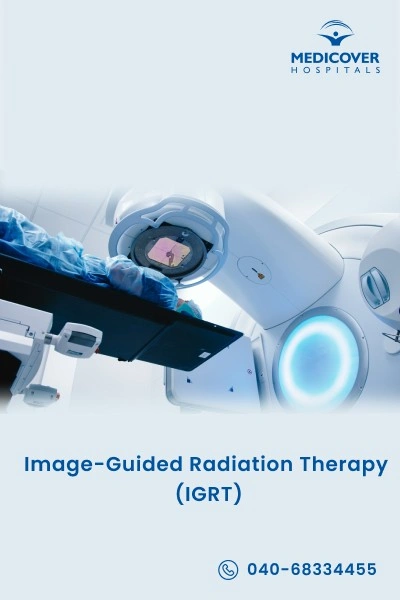
Image-Guided Radiation Therapy (IGRT) is an advanced form of radiation treatment that uses real-time imaging technology to precisely locate and target cancerous tumours during each therapy session. Unlike conventional radiation therapy, IGRT radiotherapy continuously monitors the tumour's position before and during treatment, ensuring highly accurate radiation delivery while protecting surrounding healthy tissues.
IGRT radiotherapy is especially beneficial for cancers that may shift due to breathing or body movement, such as prostate, lung, abdominal, brain, and head and neck cancers. The technique uses advanced imaging systems integrated with linear accelerators to adjust radiation beams in real time, improving tumour control and reducing side effects.
Types of IGRT radiotherapy (IGRT)
- Cone Beam CT (CBCT)-Based IGRT: Uses high-resolution 3D imaging before each session to accurately locate the tumour and nearby organs. This allows precise patient positioning adjustments to ensure radiation is delivered exactly as planned.
- 2D X-ray IGRT: Quick verification X-rays are taken prior to treatment to confirm tumour alignment. It is commonly used for cancers where small positional changes can affect treatment accuracy.
- Surface-Guided Radiation Therapy (SGRT): Tracks the patient's body surface in real time using optical imaging systems. It detects even slight movements during treatment, automatically pausing radiation if needed to maintain precision.
- Respiratory-Gated IGRT: Coordinates radiation delivery with the patient's breathing cycle. This is particularly beneficial for lung and upper abdominal cancers where tumours move during respiration.
- Fiducial Marker-Based IGRT: Small markers are placed near or within the tumour to act as reference points during imaging. This enables highly accurate tracking, particularly in prostate and abdominal cancers.
15 to 30 minutes Per Session
Treatment Duration
No anesthesia is required
Anesthesia Used
4 to 8 weeks (Depending on Treatment Plan)
Full Recovery
When is Image-Guided Radiation Therapy (IGRT) Recommended?
Image-Guided Radiation Therapy (IGRT) is recommended when high precision is essential for safe and effective cancer treatment. By using real-time imaging before and during each session, IGRT ensures accurate tumor targeting while protecting surrounding healthy tissues.
Here are some of the key indications and purposes of IGRT:
- Tumors That Move with Breathing: IGRT is especially beneficial for lung and upper abdominal cancers where tumors shift during respiration. Real-time imaging ensures radiation is delivered only when the tumor is in the correct position.
- Prostate Cancer: The prostate can change position daily due to bladder and bowel filling. IGRT verifies tumor location before each treatment session, reducing radiation exposure to the bladder and rectum.
- Head and Neck Cancers: IGRT improves accuracy in anatomically complex regions close to critical structures such as salivary glands, optic nerves, and the spinal cord, helping minimize treatment-related side effects.
- Brain Tumors: For intracranial tumors, millimeter-level precision is crucial. IGRT ensures accurate targeting while protecting surrounding healthy brain tissue.
- Spinal Tumors: IGRT allows precise radiation delivery near the spinal cord by confirming alignment before and during treatment, reducing the risk of neurological complications.
- Abdominal and Pelvic Cancers: Tumors in the abdomen and pelvis may shift due to organ movement or digestion. IGRT compensates for these changes to maintain accurate radiation delivery.
- Reirradiation Cases: For patients requiring repeat radiation therapy, IGRT helps precisely target recurrent tumors while avoiding previously treated tissues.
- Pediatric Cancers: IGRT is valuable in children as it minimizes unnecessary radiation exposure to developing organs and tissues, reducing long-term side effects.
- Inoperable or Medically Unfit Patients: IGRT provides a precise, non-surgical treatment option for patients who cannot undergo surgery or tolerate invasive procedures.
- Palliative Care: In advanced cancers, IGRT can help relieve symptoms such as pain or pressure while minimizing side effects and improving quality of life.
Preparation for Image-Guided Radiation Therapy (IGRT)
It is important to understand that Image-Guided Radiation Therapy (IGRT) is not a surgical procedure but an advanced form of precision radiation therapy. Proper preparation ensures accurate treatment delivery and optimal results.
Here are the key steps involved in preparing for IGRT treatment:
- Medical Evaluation and Treatment Planning: A detailed review of your medical history, prior treatments, and overall health is conducted. Imaging scans such as CT, MRI, or PET are performed to accurately identify the tumor's size, shape, and position. Based on these findings, the radiation oncologist designs a personalized IGRT treatment plan, including dose, beam angles, and number of sessions.
- Simulation and Positioning: Before starting treatment, a simulation session is carried out to determine the exact body position for radiation delivery. Immobilization devices may be used to help you remain still. Small skin markings or temporary tattoos may be placed to guide precise alignment during each session.
- Health and Lifestyle Preparation: Maintaining a balanced diet, staying well-hydrated, and getting adequate rest support the body during treatment. Patients are advised to avoid smoking and alcohol, as they may affect treatment response and recovery. Inform your doctor about any medications or supplements you are taking.
- Day of Treatment Guidelines: Wear comfortable clothing and follow any specific dietary or bladder preparation instructions provided by your care team. Arrive on time with relevant medical records or imaging reports. During treatment, you may be asked to follow breathing or positioning instructions to ensure accurate radiation delivery.
Step-by-Step Procedure of Image-Guided Radiation Therapy (IGRT)
Image-Guided Radiation Therapy (IGRT) is a non-surgical, outpatient radiation treatment that uses advanced imaging technology to ensure precise tumor targeting during every session. The procedure is painless and carefully planned to maximize treatment accuracy while protecting surrounding healthy tissues.
- Treatment Planning and Simulation: Before starting IGRT, detailed imaging scans such as CT, MRI, or PET are performed to identify the exact size, shape, and location of the tumor. During a simulation session, the radiation oncologist determines the precise treatment position. Immobilization devices like masks, cushions, or body molds may be used to ensure consistent positioning throughout the treatment course.
- Daily Positioning and Imaging Verification: At each IGRT session, you will be positioned exactly as planned during simulation. Advanced imaging techniques such as Cone Beam CT (CBCT) or digital X-rays are performed immediately before radiation delivery. These real-time images confirm the tumor's exact location and detect any small shifts due to breathing or internal organ movement.
- Adjustment and Alignment: If minor positional changes are detected, the treatment table is adjusted to align the radiation beams precisely with the tumor. This step ensures millimeter-level accuracy and reduces radiation exposure to nearby healthy tissues.
- Radiation Delivery: Once alignment is confirmed, the linear accelerator delivers high-energy radiation beams directly to the tumor from predetermined angles. The machine may rotate around you, but you will not feel pain during the procedure. Each session typically lasts 15 to 30 minutes, with actual radiation delivery taking only a few minutes.
- Monitoring During Treatment: Throughout the session, the radiation therapy team monitors you from a control room using cameras and communication systems. If necessary, imaging may be repeated during treatment to maintain accuracy.
- Post-Treatment and Follow-Up: After each session, you can resume normal activities unless advised otherwise. IGRT is usually delivered over multiple sessions across several weeks, depending on the cancer type and treatment plan. Regular follow-up appointments are scheduled to monitor progress and manage any side effects.
Who Performs IGRT?
Image-Guided Radiation Therapy is performed by a specialized team led by a radiation oncologist. The team includes medical physicists, dosimetrists, and radiation therapists who work together to plan and deliver precise, safe, and effective radiation treatment using advanced imaging systems and linear accelerator technology.
Recovery After Image-Guided Radiation Therapy (IGRT)
Recovery after Image-Guided Radiation Therapy (IGRT) is usually gradual and varies from person to person. Since IGRT is a precise and non-invasive cancer treatment, most patients can continue their daily routine with proper care and regular follow-up.
During Treatment
- Many patients continue normal daily activities while receiving IGRT, though mild to moderate fatigue is common.
- The treated skin area may become slightly red, dry, or sensitive, similar to a mild sunburn.
- Eating a balanced diet and staying well hydrated helps your body manage radiation therapy side effects.
- Doctor's Tip: Rest when needed, avoid direct sun exposure on the treated area, and use only recommended moisturizers.
Weeks 1 to 4
- Fatigue may temporarily increase but usually improves with adequate rest and light physical activity.
- Mild skin irritation, localized soreness, or temporary hair loss (if the head is treated) may occur but gradually resolve.
- Follow-up visits with your radiation oncologist help monitor healing and manage side effects early.
- Doctor's Tip: Light activities such as short walks are helpful, but avoid overexertion.
Weeks 5 to 8
- Energy levels gradually improve, and most regular day-to-day activities can be resumed.
- Any lingering skin changes or mild discomfort are typically controlled with medications or topical treatments.
- Continuing healthy eating habits and proper hydration supports tissue recovery.
- Doctor's Tip: Maintain a nutritious diet and follow your care team's advice for smooth recovery.
Long-Term Recovery (3–6 Months Post-Treatment)
- Radiation continues to work on cancer cells even after IGRT sessions are completed.
- Most patients gradually regain their usual strength and routine activities.
- Regular follow-up scans and medical evaluations help assess treatment success and overall health.
- Doctor's Tip: Do not miss scheduled follow-up appointments to ensure long-term treatment success.
Lifestyle Changes After IGRT
Healthy Nutrition and Hydration
- Follow your oncologist's dietary recommendations to promote healing and maintain strength.
- Drink adequate fluids daily to help your body recover effectively.
Skin Care
- Take proper care of the treated skin area as instructed by your medical team.
- Avoid harsh soaps, tight clothing, or direct sunlight on the treatment site.
Activity and Rest
- Prioritize rest, especially during the early weeks of treatment.
- Gradually resume physical activities based on your comfort and your doctor's advice.
Ongoing Monitoring
- Attend all scheduled follow-up appointments for monitoring and imaging tests.
- Report any unusual or persistent symptoms to your healthcare provider promptly.
Benefits of Image-Guided Radiation Therapy (IGRT)
Image-Guided Radiation Therapy (IGRT) is an advanced and highly precise form of radiation therapy designed to improve cancer treatment outcomes while minimizing side effects. By using real-time imaging technology during every session, IGRT ensures accurate tumor targeting and enhanced treatment safety.
- Real-Time Tumor Tracking: IGRT uses advanced imaging such as Cone Beam CT and digital X-rays before and during treatment to confirm the tumor's exact location, ensuring radiation is delivered with millimeter-level precision.
- Superior Treatment Accuracy: By detecting even small internal movements caused by breathing or organ shifts, IGRT allows precise radiation beam alignment for optimal cancer control.
- Reduced Damage to Healthy Tissues: Continuous imaging verification helps protect nearby healthy organs from unnecessary radiation exposure, lowering the risk of complications.
- Safer for Tumors Near Vital Organs: IGRT is especially beneficial for cancers located close to critical structures such as the brain, spinal cord, lungs, and prostate.
- Improved Tumor Control Rates: Accurate targeting allows doctors to confidently deliver the prescribed radiation dose, enhancing treatment effectiveness.
- Ideal for Moving Tumors: Particularly effective for lung, abdominal, and pelvic cancers where tumor position may change between sessions.
- Enhanced Patient Confidence: Real-time imaging provides reassurance that each treatment session is delivered safely, precisely, and as planned.
Risks of Image-Guided Radiation Therapy (IGRT)
Image-Guided Radiation Therapy is a safe and well-tolerated cancer treatment; however, like all forms of radiation therapy, certain side effects may occur depending on the treatment area and individual health condition.
- Skin Reactions: Mild redness, dryness, or irritation may develop in the treated area. These reactions are usually temporary and manageable with proper care.
- Fatigue: Feeling tired is common during radiation therapy but typically improves after treatment completion.
- Temporary Hair Loss: Hair loss may occur in areas directly exposed to radiation, depending on tumor location.
- Localized Swelling or Discomfort: Mild tenderness or swelling in the treated region may occur and usually subsides gradually.
- Organ-Specific Side Effects: Depending on the treatment site, temporary symptoms such as urinary changes, bowel disturbances, or difficulty swallowing may arise.
- Rare Long-Term Effects: In uncommon cases, nearby tissues or organs may experience delayed effects, highlighting the importance of expert treatment planning and regular follow-up care.
How Much Does IGRT Radiotherapy Cost?
The cost of Image-Guided Radiation Therapy (IGRT) in India typically ranges from Rs. 1,80,000 to Rs. 5,50,000, depending on various clinical and hospital-related factors.
The total IGRT treatment cost may vary based on:
- Type, Size, and Location of the Tumor: Complex or deep-seated tumors may require advanced planning and longer treatment courses.
- Number of Radiation Sessions: The overall cost depends on how many fractions (sessions) are needed as per the treatment protocol.
- Advanced Imaging Techniques Used: Use of real-time imaging systems such as Cone Beam CT (CBCT) may influence the overall cost.
- Treatment Duration and Complexity: More complex cases requiring customized planning may impact pricing.
- Hospital Infrastructure and Technology: Modern linear accelerators and advanced radiation facilities can affect the treatment cost.
- Doctor's Expertise and Follow-Up Care: Specialist consultation, monitoring, and post-treatment evaluations are included in the overall treatment plan.
Since IGRT uses advanced real-time imaging and precision radiation delivery, the cost may be slightly higher than conventional radiation therapy. However, its accuracy helps reduce complications and improve overall treatment outcomes.
For an accurate and personalized cost estimate, patients are advised to consult a radiation oncologist team after a detailed clinical evaluation.
 040 68334455
 WhatsApp
 Patient Portal
 Home Care