What Is Angioplasty?
Angioplasty is also known as percutaneous coronary intervention (PCI), is a minimally invasive procedure used to open up clogged or narrowed arteries, especially those supplying blood to your heart.
Angioplasty is often recommended when medications or lifestyle changes aren't enough to improve blood flow. It's also the go-to emergency treatment for many heart attacks.
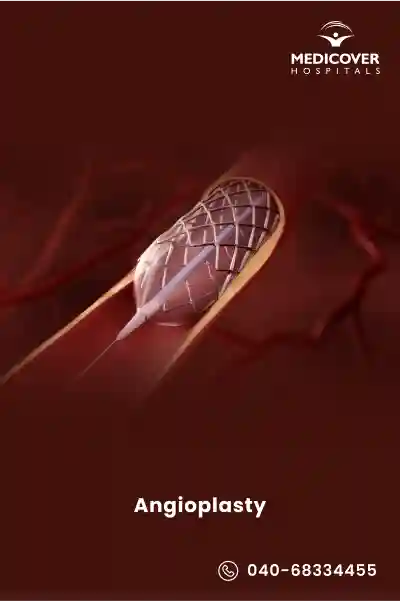
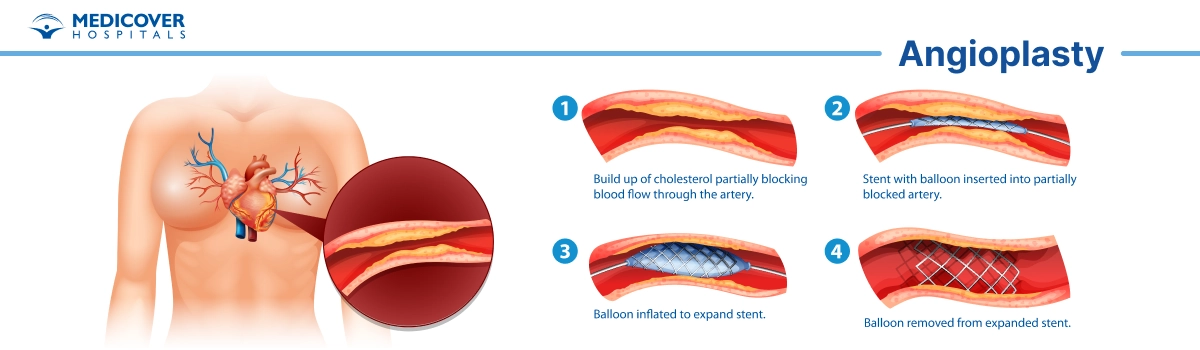
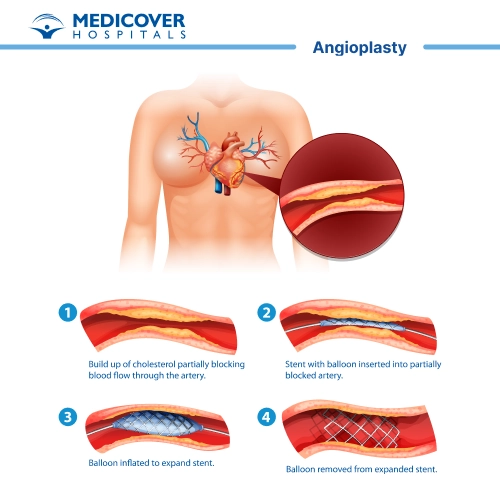
A thin tube called a catheter, fitted with a tiny balloon at its tip, is gently guided through a blood vessel (usually via your wrist or groin) until it reaches the blockage. The balloon is then inflated to widen the artery, and in many cases, a small metal mesh tube called a stent is used to keep the artery open and maintain steady blood flow.
When fat deposits or plaque build up inside the arteries, they narrow and make it difficult for blood to pass through. This condition is known as atherosclerosis. This can lead to serious issues like chest pain (angina) or heart attacks.
Angioplasty Types
Below are the main types of angioplasty and when they are used:
Balloon Angioplasty (Plain Old Balloon Angioplasty - POBA)
A thin tube with a deflated balloon is guided through an artery, usually from the wrist or groin, until it reaches the blockage.
Stent Placement
After balloon angioplasty, a small mesh tube (stent) is often placed in the artery to keep it open. Many stents are coated with medication (drug-eluting stents) to reduce the risk of re-narrowing
Cutting Balloon Angioplasty
In this technique, the balloon has tiny blades that make precise cuts in the plaque when inflated. It's particularly useful when the artery is very stiff or heavily calcified.
Atherectomy
A special catheter is used to remove the plaque, not just compress it. This may involve using a rotating cutter, laser, or orbital blades. Atherectomy is used for thick, calcified plaque that can't be treated by the balloon technique.
Thrombectomy
This is used when fresh blood clots block the artery. Thrombectomy devices remove the clot directly to rapidly restore blood flow and prevent heart or limb damage.
Balloon Pulmonary Angioplasty (BPA)
This specialised type treats narrowed pulmonary arteries, mainly in patients with pulmonary hypertension who aren't suitable for surgery. It uses balloons to open lung arteries, improving lung blood flow and easing breathing.
30 minutes to 2 hours
Surgery Duration
Local anesthesia
Anesthesia Used
1 to 2 days
Hospital Stay
In a Week
Full Recovery Timeline
Signs You May Need an Angioplasty
When your heart's arteries become narrow or blocked, it can severely affect blood flow to your heart muscle. Here are the most common medical situations in which angioplasty is considered:
Continuous Chest Pain (Angina) Not Responding to Medication
If you experience chest pain as pressure, heaviness, or discomfort in your chest, still taking prescribed medications and making lifestyle changes, angioplasty may be recommended.
Heart Attack or Acute Coronary Syndrome
In cases where a heart attack is occurring or is imminent, doctors often perform angioplasty to quickly open the blocked artery and minimise damage to the heart muscle. This emergency use of angioplasty (also called PCI) can be life-saving.
Documented Significant Artery Blockage
When diagnostic tests like coronary angiography, stress tests, or imaging show narrowed or blocked major heart arteries (especially critical ones like the left main or multiple vessels), angioplasty is often performed.
Peripheral or Vascular Blockages Causing Symptoms
Angioplasty isn't only for the heart. It's also used to treat blockages in leg, kidney, or neck arteries, helping restore blood flow to those areas. It can relieve severe leg pain (claudication).
How to Prepare for the Angioplasty Procedure?
Essential steps to ensure a safe procedure:
- Consultation: Comprehensive consultation with your interventional cardiologist, including medical history review and tests.
- Medications: Inform about all medications; some may need adjustment (especially blood thinners).
- Fasting: Fast for 6-8 hours before the procedure.
- Allergies: Disclose any allergies, especially to iodine or contrast dye.
- Personal Items: Wear loose clothing and leave valuables at home.
- Follow Instructions: Adhere strictly to all pre-procedure instructions.
- Understand the Procedure: Discuss risks, benefits, and alternatives with your doctor.
- Arrange Care: Plan for rest and recovery time post-procedure.
How is Angioplasty Done?
- You'll meet your cardiologist in the cardiac catheterisation lab. The doctor will explain the procedure, associated benefits, and any risks. Once you understand and consent, medical tests like blood work and imaging may be done to ensure you're ready.
- You may be asked to fast (no food or drink) for several hours. The team will also review your medications, especially blood thinners, and advise whether to pause or adjust them.
- You lie typically on your back on an X-ray table. The procedure starts by numbing a small area on your wrist or groin to allow catheter access.
- A thin tube (catheter) is gently inserted through the numbed skin into an artery (usually the wrist or groin). It's guided toward your heart using real-time X-ray imaging for precision.
- A special dye is injected through the catheter, making the heart's arteries visible in X-ray images. This helps locate narrow or blocked arteries.
- A second catheter, with a deflated balloon, is positioned at the blockage. Once in place, the balloon is inflated to push the plaque aside and widen the artery.
- A tiny metal mesh called a stent is placed to keep the artery open. Many stents are drug-eluting, which helps prevent the artery from narrowing again over time.
- Once the balloon and catheter are successfully removed, a special closure device or pressure band is applied at the insertion point to prevent bleeding.
- You'll rest for a few hours under observation. Your vital signs and the catheter site will be monitored closely. Most patients go home the same or the next day, depending on their condition.
- Your doctor will schedule follow-ups and may prescribe medications like blood thinners to prevent blood clots.
Who Performs the Angioplasty Procedure?
Performed by a specialised interventional cardiologist with additional training in minimally invasive cardiovascular procedures.
Angioplasty Recovery & Lifestyle Changes
After an angioplasty (stenting procedure), your body needs simple, consistent steps to heal well and stay healthy long-term. Doctors will recommend prioritising comfort, heart-healthy habits, and follow-up care.
What to Do Right After the Angioplasty?
- Rest: Avoid difficult activities and heavy weightlifting (anything over 5 kg) for at least one week after the procedure.
- Maintain Hygiene: Whether the incision was in your arm or groin, keep it clean and dry. Remove the dressing as advised the next morning. Showers are generally fine, but do not soak the area or bathe in tubs for at least a week.
- Manage Bleeding: A small bruise or light bleeding from the insertion site is normal. If bleeding continues, lie down and press gently for 15 minutes. If it doesn't stop, contact your doctor immediately.
- Medications: You'll likely be prescribed blood thinners along with cholesterol or blood pressure medications. Always take them exactly as directed to prevent clots and support healing.
Lifestyle Habits for Heart Health After Angioplasty
- A heart-healthy diet: Focuses on whole grains, fruits, vegetables, lean proteins, and healthy fats, such as olive oil, nuts, and fatty fish (like salmon and mackerel), to lower cholesterol and reduce inflammation.
- Avoid stress: Stress can strain your heart. Use simple methods like deep breathing, meditation, or journaling to keep calm.
- Attend Cardiac Rehabilitation: Going through a cardiac rehab program helps rebuild your strength safely.
- Quit smoking immediately: Tobacco affects the arteries and raises the risk of complications. Stopping smoking is one of the best things you can do to protect your heart after angioplasty.
Benefits of Angioplasty
- Rapid relief from chest pain and breathlessness
- Faster recovery
- Minimally invasive, no major incisions, and reduced infection risk
- In critical situations such as heart attacks, by quickly restoring blood flow and limiting heart muscle damage
Angioplasty Risks
Although angioplasty is generally safe, there are potential complications. Most are uncommon but important to understand:
- Bleeding, bruising, or infection
- Artery damage
- Restenosis (re-narrowing of the artery)
- Blood clots within or near the stent
- Arrhythmias, heart attack, stroke
- Allergic reactions
- Slightly higher risks for some groups
What is the Average Cost of Angioplasty?
The angioplasty cost typically ranges from Rs.1.5 lakh to Rs.2.5 lakh.
Disclaimer: The price listed above is an estimate and may vary based on factors like location, surgeon, and hospital. Prices are subject to change. For an accurate quote, please consult our nearby hospitals or our support team.
 040 68334455
 WhatsApp
 Patient Portal
 Home Care