What Is a Lower Limb Reconstruction?
Lower limb reconstruction is a surgical procedure used to repair and restore the function of the legs after severe injury, deformity, infection, or bone loss. It may involve bone grafts, metal implants, soft tissue repair, or joint reconstruction depending on the condition.
The goal of this surgery is to help a person regain movement, improve stability, and reduce pain, allowing them to return to daily activities with better comfort and mobility.
Types of Lower Limb Reconstruction
Lower limb reconstruction can be done in different ways depending on the nature of the injury or condition. Some of the common types include:
- Bone Reconstruction: Used when there is bone loss due to trauma, infection, or tumors. It may involve bone grafts or specialized implants.
- Joint Reconstruction: Focuses on repairing or replacing damaged joints like the knee, ankle, or hip to improve mobility and reduce pain.
- Soft Tissue Reconstruction: Involves repairing muscles, tendons, ligaments, or skin around the limb to restore function and support healing.
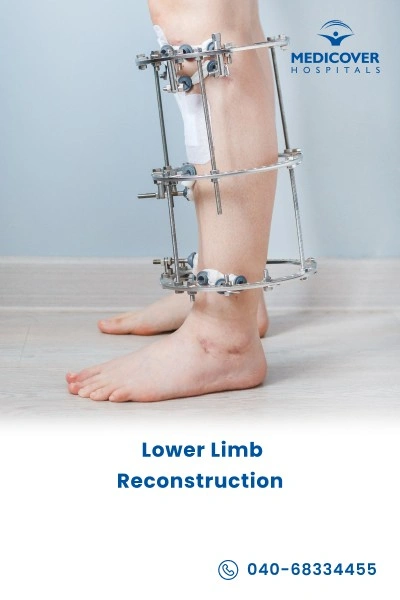
- Limb Lengthening and Deformity Correction: Corrects bone deformities or length differences between the legs using external or internal devices.
- Vascular and Nerve Reconstruction: Restores blood supply and nerve function in cases where circulation or sensation is affected.
These approaches are often combined based on the patient's condition to achieve the best possible recovery.
3 to 6 Hours
Surgery Duration
General Anesthesia
Anesthesia Used
5 to 7 days
Hospital Stay
6 months to 1 year
Full Recovery Timeline
When is Lower Limb Reconstruction Recommended?
Lower limb reconstruction is often considered when injuries or conditions affect the function and stability of the legs. Based on clinical needs, here are the main reasons why it may be recommended:
- Severe Bone Injuries or Defects: When fractures are too complex to heal naturally or there is bone loss from trauma or infection, reconstruction helps restore strength and alignment.
- Deformities or Limb Length Differences: Structural issues like bowed legs, misalignment, or one leg shorter than the other can be corrected through reconstruction to improve balance and mobility.
- Soft Tissue and Skin Damage: In cases of major wounds, infections, or tissue loss, reconstruction repairs muscles, tendons, ligaments, or skin for better support and healing.
- Post-Surgical or Failed Treatments: If a previous surgery did not heal properly or left complications, reconstruction can correct and restore proper limb function.
- Severe Fractures: When fractures in the bones of the lower limb fail to heal properly (non-union) or result in significant deformities, reconstruction may be necessary to restore normal bone alignment and stability.
- Joint Degeneration: Advanced degenerative joint diseases such as osteoarthritis or rheumatoid arthritis can cause pain, inflammation and loss of joint function in the hips, knees, ankles or other lower limb joints.
- Congenital Abnormalities: Conditions like clubfoot, limb length discrepancies or other congenital deformities may be addressed through reconstruction to improve the child's ability to walk and lead a more normal life.
- Bone Tumors: Cases involving benign or malignant bone tumors may require surgical removal of the tumor, which may involve reconstruction to restore the structural integrity of the affected bone.
- Limb Deformities: Deformities caused by traumatic injuries, chronic conditions, or previous surgeries may lead to functional limitations and cosmetic concerns, making reconstruction a viable option.
- Chronic Infections: Persistent infections in bones or soft tissues, such as osteomyelitis, may necessitate reconstruction to remove infected tissue and promote proper healing.
- Failed Previous Surgeries:When previous surgical interventions have not yielded the desired outcome or have resulted in complications, revision surgery with reconstruction may be necessary.
- Severe Soft Tissue Injuries: Traumatic injuries that cause extensive damage to muscles, tendons, ligaments and skin may require soft tissue reconstruction to restore functionality and prevent complications.
- Joint Contractures: Joint contractures, which result in limited range of motion and stiffness, may be addressed through surgical release and reconstruction to improve joint mobility.
- Pain and Disability: Conditions that cause chronic pain, significant disability or a significant impact on daily activities despite conservative treatments may lead to the consideration of reconstruction.
Who Is A Candidate for Lower Limb Reconstruction?
- Patients with limb-threatening conditions where amputation is the only alternative.
- Individuals with adequate vascular supply to support healing.
- Those committed to prolonged rehabilitation.
- Patients without uncontrolled systemic diseases that impair recovery.
- Children have growth potential for some congenital conditions.
Preparing for Lower Limb Reconstruction Surgery Procedure
Getting ready for lower limb reconstruction is important to make the surgery safe and the recovery smoother.
Medical Check and Pre-Surgery Planning
- Your doctor will review your medical history, current medicines, and overall health.
- Tests such as blood work, X-rays, or scans may be done to assess bone and tissue condition.
- Having these results ready ensures proper planning and reduces delays.
Healthy Habits Before Surgery
- Quit smoking at least 4-6 weeks before surgery, as it slows down healing.
- Avoid alcohol and consult your surgeon about stopping blood-thinning medicines or supplements.
- Eat a balanced diet rich in protein, calcium, and vitamins to support bone and tissue recovery.
Setting Up for a Safe Recovery at Home
- Arrange for someone to help with travel to and from the hospital and daily needs after surgery.
- Prepare your home with essentials such as crutches or a walker, medications, water, and snacks within easy reach.
- Keep light meals ready or prepare food in advance to avoid extra stress during recovery.
Final Steps Before Surgery
- Follow fasting instructions carefully, usually no food or drink after midnight.
- Take a shower with antiseptic soap if advised, and avoid lotions, creams, or perfumes.
- Wear loose, front-opening clothes and avoid jewellery, nail polish, or makeup when going to the hospital.
What Happens During Lower Limb Reconstruction Surgery?
Lower limb reconstruction is a detailed surgery designed to restore strength, alignment, and function in the legs. The exact steps depend on the type of injury or condition being treated, but the process generally involves the following stages:
- Preparation & Anaesthesia: On the day of surgery, you'll meet the surgical team for a final review. In the operating room, general anesthesia is given to keep you fully asleep and comfortable.
- Incisions & Exposure: The surgeon makes carefully planned incisions over the affected area. Soft tissue is gently moved aside to access bones, joints, or damaged structures that need repair.
- Bone or Joint Repair: If fractures, deformities, or bone loss are present, the surgeon may use plates, screws, rods, or bone grafts to stabilize and rebuild the limb structure.
- Soft Tissue Reconstruction: Muscles, tendons, ligaments, or skin are repaired or reconstructed to restore function and support healing. In some cases, tissue flaps or grafts are used.
- Vascular or Nerve Repair (If Needed): If blood vessels or nerves are damaged, they are repaired to improve circulation and restore sensation or movement.
- Closing the Incisions: The surgical area is closed with sutures or staples, and dressings are applied. Supportive splints or external fixators may be placed to protect the leg during healing.
Recovery After Lower Limb Reconstruction Surgery Procedure
Recovery after lower limb reconstruction takes time and depends on the extent of surgery. Proper care and rehabilitation play a key role in healing.
First Few Days After Surgery
Swelling, pain, and limited movement in the leg are common. The limb is usually supported with a brace, cast, or external fixator. Gentle assisted movement helps circulation and reduces risks of complications.
Weeks 2 to 4
Pain and swelling start to reduce. Depending on your surgeon's advice, partial weight-bearing with crutches or a walker may begin. Stitches or staples may be removed, and wound care is important.
Weeks 5 to 6
Mobility improves, and physiotherapy becomes more active with light exercises to build strength and flexibility. You may slowly return to simple daily activities.
3 to 6 Months Post-Surgery
Healing continues, and stability in the leg improves. Physiotherapy helps restore strength, balance, and movement. Full recovery may take several months to a year depending on the condition treated.
Benefits of Lower Limb Reconstruction Surgery
Lower limb reconstruction surgery helps restore the function, strength, and stability of your legs after injury, deformity, or disease. It not only improves mobility but also enhances quality of life and daily comfort.
- Restores leg strength and function: Reconstructing bones, joints, and soft tissues helps regain mobility, stability, and the ability to perform daily activities with less pain.
- Corrects deformities and limb alignment: The surgery improves leg shape, posture, and balance by addressing bone deformities, length differences, or structural misalignments.
- Reduces pain and discomfort: Repairing damaged tissues, muscles, and joints helps relieve chronic pain and improves overall comfort while walking or standing.
- Supports long-term mobility: With proper rehabilitation and physiotherapy, the results are durable, allowing patients to return to normal routines, sports, or work activities.
Lower Limb Reconstruction Surgery Risks
Lower limb reconstruction carries certain risks and potential complications like any major surgical procedure. These may include:
- Infection: Post-surgical infections at the incision site or deep infections in bones and joints.
- Blood Clots: Increased risk of deep vein thrombosis due to immobility after surgery.
- Implant Failure: Metal plates, screws or joint implants may loosen or fail over time.
- Nerve Damage: Potential nerve injury during surgery, leading to numbness or weakness.
- Delayed Healing: Poor bone healing or soft tissue healing complications.
- Pain and Stiffness: Persistent pain, joint stiffness or limited mobility.
- Limb Length Discrepancy: Uneven limb length due to healing variations.
- Scar Formation: Excessive scar tissue may affect movement or require revision surgery.
How much does lower limb surgery cost?
The cost of lower limb reconstruction surgery varies depending on the type of injury, complexity of the procedure, and the surgeon's experience. Patients receive Specific treatment with modern facilities and dedicated care. A typical range for the procedure is Rs. 150000 to Rs. 650000, which includes surgery, hospital stay, and post-operative care.
 040 68334455
 WhatsApp
 Patient Portal
 Home Care