What is Hemodialysis?
Hemodialysis is a medical treatment used when the kidneys can no longer filter waste, extra fluid, and toxins from the blood properly. This condition is known as kidney failure or end-stage renal disease.
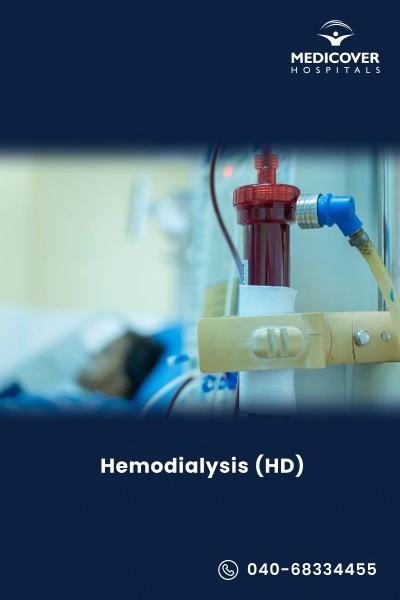
A dialysis machine takes over the job of the kidneys by cleaning the blood. Blood is drawn from the body, filtered through a special dialyzer (an artificial kidney), and then returned to the body. This helps keep the body in balance by removing harmful substances, controlling blood pressure, and maintaining safe levels of important minerals like potassium and sodium.
Types of Hemodialysis
There are several types of hemodialysis available, each designed to suit different lifestyles, medical needs, and schedules. Here are the main types of hemodialysis:
- In-Center Hemodialysis: Performed at a dialysis centre by trained professionals. Patients visit the centre multiple times a week for treatment.
- Home Hemodialysis (HHD): Patients perform dialysis at home with proper training and support. This offers more flexibility and convenience.
- Nocturnal Hemodialysis: Dialysis is done overnight, either at home or in a centre, allowing for a longer and gentler treatment while the patient sleeps.
- Short Daily Hemodialysis: Conducted at home or in a centre, this involves shorter but more frequent sessions, typically 5-7 times a week.
3-5 Hours Per Session
Surgery Duration
Outpatient or Inpatient
Hospital Stay
No Formal Recovery Time
Full Recovery Timeline
When is Hemodialysis Recommended?
Hemodialysis is recommended when the kidneys are no longer able to filter waste, excess fluid, and toxins from the blood effectively. The indications of Hemodialysis Procedure include:
- Chronic Kidney Disease (CKD): When kidney function deteriorates to stage 5 (end-stage renal disease), hemodialysis is needed to filter waste and excess fluids from the blood.
- Acute Kidney Injury (AKI): In cases of sudden kidney failure caused by trauma, infection, or other conditions, hemodialysis may be used to support kidney function temporarily.
- Electrolyte Imbalance: Severe imbalances in electrolytes like potassium, calcium, or sodium, which the kidneys can no longer regulate, may require hemodialysis to restore balance.
- Toxin Build-Up: When harmful substances, such as drugs or poisons, accumulate in the bloodstream due to kidney failure, hemodialysis helps to remove them.
- Fluid Overload: When the kidneys cannot remove excess fluid, causing swelling, high blood pressure, or pulmonary edema, hemodialysis can help remove the extra fluid.
- Severe Uremia: Uremia is a condition where waste products build up in the blood. It can cause symptoms like nausea, vomiting, and confusion. Hemodialysis helps clear these toxins.
- Chronic Diseases: Conditions like diabetes or high blood pressure that lead to kidney damage may eventually necessitate hemodialysis when the kidneys can no longer function properly.
Hemodialysis is used when the kidneys are unable to perform their normal functions and other treatments, such as medications or dietary changes, are insufficient.
How to Prepare for a Hemodialysis Surgery?
Preparing for hemodialysis surgery involves several important steps to ensure that you are physically and mentally ready for the procedure. Here's a guide on how to prepare:
- Medical Check-up: Your doctor will run blood tests, urine tests, and scans to check kidney health.
- Access Creation: A minor surgery is done to create a vascular access (fistula, graft, or catheter) so blood can flow in and out during dialysis.
- Medications: You may need to adjust or stop certain medicines before starting.
- Diet Changes: A special diet with controlled salt, potassium, phosphorus, and fluids is often suggested.
- Fasting: Follow fasting guidelines if instructed by your healthcare team.
- Hydration: Stay hydrated to support healing before surgery.
- Vaccinations: Doctors may recommend vaccines (like Hepatitis B) to reduce infection risk.
- Stop Smoking: Refrain from smoking before and after surgery to aid recovery.
- Education: Patients and families are taught about how dialysis works and what to expect.
- Emotional Support: Counseling may be given to prepare mentally for long-term treatment.
- Arrange Support: Have a family member or friend help during recovery.
Step by Step Hemodialysis Procedure
Hemodialysis is a treatment that helps remove waste, excess fluids, and balance electrolytes when the kidneys aren't working properly. The procedure involves connecting the patient to a machine that filters the blood. Here is a step-by-step overview of the hemodialysis procedure:
- Preparation: The patient is positioned comfortably, and the area where the dialysis access point is located is cleaned and sterilized. The medical team explains the procedure to the patient.
- Vascular Access: A needle is inserted into a vascular access point, which could be a fistula (a surgically created connection between an artery and vein), a graft (artificial connection), or a catheter (tube placed into a vein).
- Blood Removal: Blood is drawn from the body through the needle and sent to the dialysis machine via tubing.
- Filtration Process: Inside the dialysis machine, the blood is filtered through a dialyzer, an artificial kidney, that removes waste products, excess fluids, and toxins from the blood.
- Return of Cleaned Blood: The filtered blood is returned to the patient's body via another needle and tubing.
- Monitoring: The patient's blood pressure, heart rate, and other vital signs are continuously monitored throughout the process to ensure safety and effectiveness.
- Completion of Dialysis: The procedure usually takes 3-5 hours, depending on the patient's needs. Afterwards, the needles are removed, and the access site is covered.
- Post-Procedure Care: The patient may rest and is monitored for any complications. The medical team provides instructions on how to care for the access site.
Who Will Perform the Hemodialysis Procedure?
To undergo hemodialysis surgery, you would need to connect with a healthcare team that specializes in kidney care and dialysis.
Here's whom you would typically contact for hemodialysis surgery:
- Nephrologist: Nephrologists are doctors specializing in kidney health who assesses function and determines the need for hemodialysis.
- Dialysis Center: Specialized facilities offering hemodialysis treatments.
- Nephrology Department: Hospitals with dedicated departments for kidney care and hemodialysis information.
Recovery After Hemodialysis Surgery
Recovery after hemodialysis involves both immediate and long-term adjustments as your body adapts to the treatment.
- Immediate Recovery: Most patients feel tired or weak after a session. Resting for a short while usually helps. Some may also feel slightly dizzy if extra fluid is removed. Fatigue is normal and usually improves over time.
- Daily Life: You can go home after treatment and continue normal activities, but it's best to avoid heavy exercise immediately after dialysis.
- Managing Side Effects: Some people may experience headaches, leg cramps, or low blood pressure. Monitoring fluid intake, following a recommended diet, and coordinating medications with your healthcare team can help reduce these issues.
- Diet and Fluid Management: Following a kidney-friendly diet and controlling fluid intake between sessions are crucial to prevent complications and maintain nutritional balance.
- Medication Management: Certain medications may need to be adjusted around your dialysis schedule. Always consult your healthcare team for proper guidance.
- Emotional Well-being: Living with kidney failure and undergoing regular dialysis can be emotionally challenging. Seek support, stay connected with loved ones, and engage in activities that improve your mood and overall well-being.
- Long-Term Adjustment: Over time, many patients adapt to the dialysis routine, plan activities around treatment sessions, and regain energy as waste and excess fluid are removed from the body.
- Follow-up Care: Regular check-ups with your nephrologist are essential to monitor kidney function, adjust treatment, and ensure optimal health between sessions.
Lifestyle Changes After Hemodialysis Surgery
Following hemodialysis, patients often need to adjust their diet, fluid intake, and medication routines to support kidney function and overall health. Regular follow-ups with healthcare providers are essential to monitor progress.
- Dietary Restrictions: Follow a diet plan that limits sodium, potassium, phosphorus, and fluid to manage balance.
- Fluid Management: Monitor fluid intake to avoid overload and heart strain.
- Medication Adherence: Take prescribed medications as directed for blood pressure, anemia, and kidney disease.
- Physical Activity: Stay active as advised to improve circulation and overall health.
- Avoid Smoking and Alcohol: Quit smoking and limit alcohol for better kidney health.
- Access Care: Care for dialysis access sites to prevent infection.
- Monitor Blood Pressure: Regularly check blood pressure and manage it with medications.
- Limit High-Potassium Foods: Reduce potassium-rich foods like bananas and tomatoes.
- Limit High-Phosphorus Foods: Cut back on high-phosphorus foods like dairy and processed meats.
- Protein Intake: Adjust protein intake as advised to manage waste buildup.
Benefits of Hemodialysis Procedure
Hemodialysis is a vital treatment for patients with kidney failure, helping the body perform the essential functions normally handled by healthy kidneys. It not only cleans the blood but also supports overall health, improves daily well-being, and can be lifesaving for those with severe kidney disease.
- Removes Waste and Toxins: Helps clean the blood by removing waste products, toxins, and excess fluids when the kidneys can't do it.
- Balances Body Chemicals: Maintains safe levels of important minerals like potassium, sodium, and calcium in the body.
- Controls Blood Pressure: Helps manage high blood pressure caused by fluid overload.
- Improves Quality of Life: Reduces symptoms of kidney failure such as fatigue, swelling, and nausea, helping patients feel better.
- Lifesaving Option: Essential for people with end-stage kidney disease, allowing them to live longer and more comfortably.
- Flexible Treatment Options: Can be done at a dialysis center or at home with proper training and support.
Risks and Complications of Hemodialysis Procedure
While hemodialysis is a life-saving treatment, it can sometimes lead to certain complications:
- Low Blood Pressure (Hypotension): A common side effect during treatment, which may cause dizziness, nausea, or fainting.
- Muscle Cramps: Painful cramps, often in the legs or feet, can occur during dialysis due to fluid shifts.
- Infection or Clotting at Access Site: The site where the needle is inserted (like an AV fistula) can get infected or blocked.
- Fatigue: Many patients feel very tired after dialysis sessions, especially in the beginning.
- Electrolyte Imbalance: Levels of potassium, calcium, or sodium can drop or rise too much during treatment.
- Itching or Skin Issues: Build-up of waste in the body can cause itching between treatments.
- Heart-Related Problems: Long-term dialysis can put extra strain on the heart, increasing the risk of heart disease.
Hemodialysis Cost in India
The typical cost for hemodialysis in India ranges from Rs. 1,000 to Rs. 4,000 per session, depending on location and facility type. This translates to a monthly cost of approximately Rs. 12,000 to Rs. 40,000 (based on 3 sessions weekly) and an annual expense between Rs. 2.16 lakh and Rs. 4.8 lakh
 040 68334455
 WhatsApp
 Patient Portal
 Home Care