 040 68334455
 WhatsApp
 Patient Portal
 Home Care
Experienced Anorectal Melanoma Doctors in India

Dr Kandra Prasanth Reddy

Dr Ravi Chander Veligeti

Dr Nagendra Kadapa

Dr A Venugopal

Dr Alamuri Ramesh

Dr Muralidhar Gullipalli

Dr Karthik Chandra Vallam

Dr Venkata Krishna Reddy P

Dr K Pradeep Bhaskar

Dr M Ramesh Babu

Dr G Ranga Raman

Dr Rahulkumar Narayan Chavan

Dr Vidya Sagar Dusi

Dr Karimi Prashob Kumar

Dr Abhilash Gavarraju

Dr Ramavath Dev

Dr Lalitya Swarna Pethakamsetty

Dr Prudhviraj Masapu

Dr Sravan Kumar Reddy V

Dr Jyothsna Mandarapu

Dr Siddhesh Rajendra Tryambake

Dr Ajay Varun Reddy T

Dr Sarita Shrivastva

Dr Ashutosh Tondare

Dr Anup Toshniwal

Dr Bammidi Sandeep

Dr Anvesh Endla

Dr Kavitha Uppala

Dr Rachita Bahety

Dr Raziuddin Khwaja

Dr Ashish Bangar

Dr Nived Rao Balmoori

Dr G V Nagarjuna Reddy

Dr Rigved Nittala

Dr Madala Ravi Krishna

Dr Prudvi Raj

Dr Venkata Sambasivarao

Dr SK Mehabunnisa

Dr Varun Prakash Kollu

Dr Chaitanya Kumar

Dr Haripriya Gude

Dr Lokeswari

Dr Anugu Goutham
Dr Chakka Radha Siva Bharath

Dr Aparna Nallagangula

Dr Mounika Reddy Yallala

Dr Jeepalem Sai Moulika

Dr Sowdepalli Avinash

Dr D S K Sahitya

Dr Shruti Surushe

Dr Neelesh Kanderi
Importance of Anorectal Melanoma Specialist in Treatment
Anorectal Melanoma is a rare and aggressive form of cancer that requires specialized care from disease specialists. These experts play a crucial role in the diagnosis, treatment, and management of Anorectal Melanoma, providing patients with the best possible outcomes. By focusing specifically on this complex condition, disease specialists possess a deep understanding of the disease's unique characteristics and challenges, allowing them to tailor treatment plans to meet the individual needs of each patient. Their expertise ensures that patients receive the most advanced and effective therapies available, maximizing the chances of successful treatment and long-term survival. Patients with Anorectal Melanoma can benefit greatly from the specialized knowledge.
Why to Choose Anorectal Melanoma Specialists at Medicover Hospitals in India
Patients diagnosed with Anorectal Melanoma can confidently choose Medicover Hospitals for their treatment as the hospital boasts a team of highly skilled specialists with extensive experience in managing this rare and complex condition. Medicover Hospitals offer a comprehensive range of cutting-edge treatments for Anorectal Melanoma, including surgery, chemotherapy , radiation therapy, and immunotherapy, tailored to each patient's specific needs. Known for their unwavering commitment to patient care, Medicover Hospitals have earned a strong reputation for providing compassionate support and personalized attention throughout the treatment journey. With a track record of successful outcomes in managing Anorectal Melanoma cases, Medicover Hospitals stand out as a trusted healthcare provider dedicated to delivering exceptional care and positive results for patients facing this challenging diagnosis.

Why Choose Our Doctors?
- Our doctors are experts in their fields and have years of experience.
- We provide top-tier medical infrastructure and technology.
- Easy booking options for both virtual and in-person consultations.
- Insurance & Cashless Payment Support
- Emergency & 24/7 Care
- Compassionate & Patient-Centered Approach
- Multi-Disciplinary Expertise (Collaboration between specialists ensures comprehensive treatment plans).
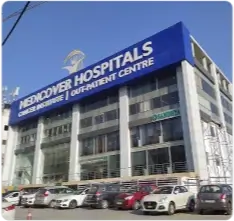
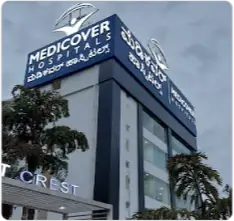
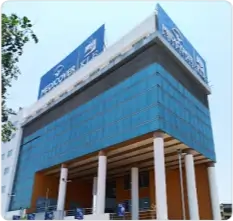
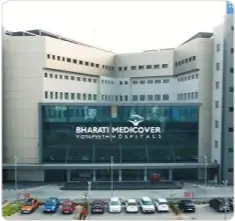
Our Hospitals Near You
Popular Searches
Frequently Asked Questions
Early signs of Anorectal Melanoma to watch for include rectal bleeding, changes in bowel habits, pain or discomfort in the anal area, and unexplained weight loss. Regular screenings are crucial for early detection and treatment.
Treatment usually involves surgical excision of the tumor. Depending on the stage, radiation or immunotherapy may be considered. Regular follow-up and monitoring are crucial to detect recurrence or metastasis.
Specialists treating Anorectal Melanoma often encounter conditions like rectal bleeding, changes in bowel habits, anal pain, and lumps near the anus. These symptoms require prompt evaluation and specialized care.
Surgical excision, often with wide local excision or abdominoperineal resection, is the mainstay, with adjuvant therapies considered.


Feeling unwell?
Request a callback!
