 Call
Call Patient Reports
- Cardiology 84
- Dermatology 45
- Endocrinology 33
- ENT 16
- Fertility 190
- Gastroenterology 78
- General-Medicine 81
- Gynecology 80
- Hematology 19
- Infectious-Diseases 33
- Neurology 52
- Oncology 34
- Ophthalmology 23
- Orthopedics 69
- Pediatrics 31
- Procedure 23
- Public-Health 144
- Pulmonology 59
- Radiology 8
- Urology 68
- Wellness 161
- Woman-and-child 77

- 3842
- 3.5 Minute
15 Tips for Healthy Liver
Good health is what we need! In today's world, lifestyle diseases are becoming more common due to stress and environmental factors, bad eating habits, pollution, etc.
To have robust health, we must safeguard our vital organs. One such organ is the liver. The liver is the largest internal organ and it is located under the lower rib cage on the right side of the stomach. It is known as the "chemical factory" because it produces, metabolises, and excretes many toxic chemicals from the body and is the biggest detoxifier in the human body.
The liver performs over 500 essential functions that can help us stay alive. It provides quick energy when needed, keeps the glucose and cholesterol levels under control, clears toxins from the body, fights off infections, produces critical blood clotting factors, and much more.
There's a common misconception that liver disease mainly affects people who drink too much alcohol (liver cirrhosis). But the fact is that the disease can develop from eating an unhealthy diet, viral infection, or through prolonged exposure to toxins. Nonalcoholic fatty liver disease, closely associated with obesity and diabetes, is the most widespread form of chronic liver disease.
How to Have a Healthy Liver?
Let us give our liver the care it needs and lead a healthy life. Here are 15 ways to improve liver health.
Maintain a Healthy Weight
Even overweight people are in danger of having a fatty liver that can lead to nonalcoholic fatty liver disease (NAFLD). Losing weight can play a vital role in helping to reduce liver fat.
Eat Healthy
Foods high in calories, sugars, and saturated fats should be avoided. Fresh fruits and vegetables, whole-grain breads, rice, and cereals are all part of a well-balanced diet. Good fats are monounsaturated and polyunsaturated fats included in vegetable oils, nuts, seeds, and fish contain them. Hepatitis A mainly spreads through contaminated water and food. To be safe, avoid raw or contaminated seafood or shellfish.
Exercise Regularly
Exercising regularly for at least 30 minutes, five days a week, helps burn triglycerides for energy. Regular exercise can also help reverse fatty liver disease early and improve liver health.
Drink Plenty of Water
Water is the best way to recharge the liver. Keep your body hydrated to avoid toxin attacks on the organ. Dehydration can also thicken blood, making it more difficult for the liver to clean and detox. On average, drink 8-10 glasses of water per day, but some people with health conditions may need to drink more than the recommended amount.
Keep Chronic Conditions Managed
Diabetes, hypertension, and high cholesterol are all significant risk factors for fatty liver disease. Keeping them under control with diet can help to limit and prevent liver damage.
Limit Alcohol Use
Watch how much you drink. Women may be more at risk than males, even if they drink less alcohol. Alcohol abuse can cause liver cell damage, destruction, scarring, and liver cirrhosis in both genders. Avoid high alcohol consumption and people drinking at elevated levels should receive guidance to reduce their intake.
Cut Down Smoking or Stop Smoking
Cigarette smoking has been associated with liver cancer and can also enhance the toxic effects of some medications on the liver. The harmful substances in tobacco smoke can cause inflammation and eventual liver cirrhosis. Smoking cigarettes for an extended period can lead to chronic liver conditions such as nonalcoholic fatty liver disease and primary biliary cholangitis. Individuals with chronic hepatitis B or C viral infection are more likely to develop hepatocellular carcinoma if they smoke.
Avoid These Practices
Do not indulge in unprotected or unsafe sex. Hepatitis B infection can quickly spread through sexual contact; therefore, taking precautions like using condoms or avoiding multiple sexual partners is necessary. If you plan to get a body piercing or tattoo, go to the reputed tattoo parlors, wherein strict hygiene standards are maintained.
Wash Your Hands
Wash your hands immediately after using the restroom or changing a diaper with sanitizer, soap, and warm water. Also, make sure to clean your hands before preparing or eating food and drinks to prevent infection with the Hepatitis A virus.
Follow the Given Directions on all Medications
You can harm your liver when you take medications incorrectly or in excess. Drug-induced liver injury (DILI) is common; therefore, take only prescribed drugs. Always inform the doctor if you use any over-the-counter medicines, supplements, or natural remedies.
Get Available Hepatitis Vaccinations
Vaccination is essential for preventing hepatitis. Vaccines for hepatitis A and hepatitis B are currently available, and Hepatitis C vaccines are being developed. Vaccinating the liver can prevent life-threatening diseases and improve quality of life.
Avoid Contaminated Needles
You should consult the doctor and seek testing if the skin is penetrated with sharp instruments or needles. The hepatitis infection can be spread by sharing contaminated needles and related equipment, and injecting with just one contaminated needle is sufficient to get infected.
Get Medical Support if you are Exposed to Blood
Consult your doctor immediately if you come into contact with someone else's blood or other blood products, such as through blood transfusions and organ transplants. Blood for transfusion should be checked for proof of infectious disease pathogens, including hepatitis C and B viruses and human immunodeficiency virus (HIV). If you are highly concerned, go to the emergency room of your nearest hospital.
Don't Share Personal Hygiene Items
Never share personal items such as a towel, razors, toothbrushes, and nail clippers because they can carry microscopic levels of blood or other potentially contaminated body fluids which can transmit infection.
Regular Schedule for Liver Function Tests
Include liver function tests on your to-do list regarding yearly check-ups. As one of your vital organs, the liver should be one of your top priorities when it comes to routine diagnostics, especially if you have a family history of liver disease. A healthy liver makes a healthy body, but if there are symptoms like yellowish eyes or skin, fatigue, appetite loss, itchy skin, or swelling, it is time to visit the best gastroenterologist near you.
Get a second opinion from trusted experts and makeconfident, informed decisions.
Get Second OpinionNot sure where to start?
Talk to a patient care advisor — free, confidential, 24/7. We'll match you to the right specialist and book your appointment in minutes.
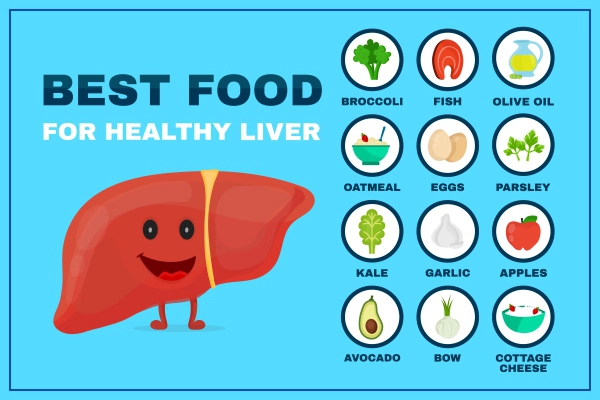
Best Foods for Liver Health
A healthy liver is key to detoxifying and keeping the body working properly. Here are some of the best foods for liver health that can help support and repair your liver:
- Leafy Greens: Vegetables like spinach and kale help detoxify the liver.
- Garlic: Contains compounds that help the liver flush out toxins.
- Turmeric: Reduces inflammation and supports liver repair.
- Beets: Help improve liver function and detoxification.
- Fatty Fish (Salmon, Sardines, Mackerel): Rich in omega-3s, which reduce liver inflammation.
- Walnuts: Contain nutrients that support liver detox and repair.
- Avocados: Protect liver cells from damage and help with liver repair.
- Green Tea: Full of antioxidants that promote liver health.
- Berries (Blueberries, Raspberries, Cranberries): Reduce liver inflammation and protect liver cells.
- Coffee: Helps lower liver enzymes and protect the liver.
- Grapefruit: Reduces inflammation and supports liver function.
- Olive Oil: Helps reduce fat buildup in the liver.
- Apples: Help eliminate toxins from the body, easing the liver's work.
- Cruciferous Vegetables (Broccoli, Brussels Sprouts, Cabbage): Boost liver detox and enzyme production.
- Lemon & Citrus Fruits: High in vitamin C, which aids in liver detoxification.
Avoid processed foods, fried foods, sugary snacks, and alcohol, as they can harm liver health and slow down its repair.
Vitamins for Liver Repair
Vitamin A, Vitamin E, and Vitamin D help protect and repair the liver. Vitamin C and B vitamins also support liver health.
By eating the best foods for liver, avoiding bad food for liver, and getting the right vitamins for liver repair, you can help your liver stay healthy.
Your health is everything - prioritize your well-being today.
Schedule Your AppointmentCitations
https://www.hopkinsmedicine.org/health/wellness-and-prevention/5-ways-to-be-kind-to-your-liverFrequently Asked Questions
The liver has a strong ability to regenerate, but it typically takes longer than 3 days for noticeable recovery, especially if there’s significant damage.
To cleanse your liver, focus on eating liver-friendly foods like leafy greens, garlic, and turmeric, staying hydrated, and avoiding alcohol and processed foods.
Yes, a compromised liver can affect digestion and lead to bloating and gas due to improper processing of nutrients and waste.
Excessive alcohol consumption, viral infections (like hepatitis), and fatty liver disease are among the leading causes of liver damage.
You can't directly check liver function at home. Blood tests like liver enzyme levels (ALT, AST) can indicate liver health, but a doctor’s visit is necessary for accurate assessment.
- Cardiology
- Case Studies
- Dermatology
- Endocrinology
- ENT
- Fertility
- Gastroenterology
- General
- General-Medicine
- Gynecology
- Hematology
- Infectious-Diseases
- Medical News
- Neurology
- Oncology
- Ophthalmology
- Orthopedics
- Pediatrics
- Procedure
- Public-Health
- Pulmonology
- Radiology
- Second Opinion
- Urology
- Wellness
- Woman-and-child
Related Blogs
Still have questions? Speak with our experts now!
040-68334455


