What is Varicose Vein Surgery?
Varicose vein surgery is a procedure to treat swollen, twisted, and painful veins, most commonly seen in the legs. It aims to close or remove these damaged veins, improving circulation, reducing pain, and restoring appearance.
It is usually recommended when lifestyle changes or medicines fail to relieve symptoms, or when complications like ulcers and blood clots develop.
Types of Varicose Vein Surgery
Several surgical techniques are available to address varicose veins, and the choice depends on the severity of the condition, the size and location of the veins, and the patient's overall health. Each method has its own advantages, recovery times, and suitability.
Endovenous Laser Surgery (EVLT/EVLA)
- This is a minimally invasive procedure in which a thin laser fiber is inserted into the affected vein. The laser delivers controlled heat, which causes the vein walls to collapse and seal shut. Over time, the treated vein fades and is absorbed by the body.
- EVLT is often preferred for medium to large varicose veins, and patients typically experience little scarring and a quick recovery.
Radiofrequency Ablation (RFA)
- Similar to EVLT, radiofrequency ablation uses a catheter that delivers radiofrequency energy to heat and close the vein.
- This method is known for reduced post-operative discomfort and faster healing, making it a good option for patients who want a quick return to normal activities.
Vein Ligation and Stripping
- This traditional surgical method involves tying off (ligation) and removing (stripping) the problematic vein through small incisions.
- It is usually reserved for severe or very large varicose veins that cannot be treated effectively with minimally invasive methods.
- Although recovery is slightly longer, this approach provides lasting results for advanced cases.
Ambulatory Phlebectomy
- In this procedure, tiny incisions are made along the leg to physically remove surface varicose veins. Since the cuts are very small, stitches are often unnecessary, and scarring is minimal.
- It is most effective for veins that are close to the skin's surface and can be done under local anesthesia with a short recovery time.
Foam Sclerotherapy (Adjunct Procedure)
- Foam sclerotherapy is often used in combination with other treatments. A special foam solution is injected into the vein, causing it to collapse and seal off.
- It is especially useful for smaller veins or as a follow-up treatment after surgery to address residual varicosities.
1 to 3 Hours
Surgery Duration
General or Local Anesthesia
Anesthesia Used
4-6 Weeks
Full Recovery Timeline

When is Varicose Vein Surgery Recommended?
Varicose vein surgery is recommended when enlarged veins cause discomfort, complications, or cosmetic concerns. Doctors suggest surgery when patients experience:
Severe leg pain, heaviness, or swelling:
- These symptoms often get worse after long periods of standing or at the end of the day.
- When pain and swelling do not improve with compression stockings or other conservative methods, surgery may be recommended to restore proper blood flow and relieve discomfort.
Non-healing leg ulcers caused by varicose veins:
- These ulcers are slow to heal because the blood does not return efficiently from the legs to the heart.
- Surgery helps by correcting the faulty veins, improving circulation, and allowing ulcers to close more effectively, which reduces the risk of recurrent infections.
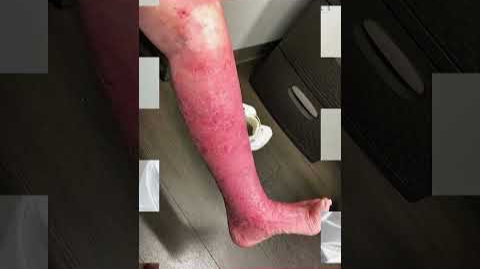
Skin changes such as darkening, eczema, or hardening:
- This may include dark patches, dryness, eczema, or even thickening and hardening of the skin (known as lipodermatosclerosis).
- Such changes indicate long-standing vein disease, and surgery is often needed to prevent further progression and to restore a healthier appearance to the skin.
Bleeding from ruptured veins:
- In some cases, the pressure inside the vein becomes so high that it can rupture spontaneously, leading to sudden bleeding.
- This can be alarming and sometimes dangerous, especially if it happens repeatedly. Surgery reduces this risk by removing or sealing the affected veins.
Deep vein complications:
- If varicose veins are left untreated, they can sometimes increase the risk of deep vein problems, including the possibility of deep vein thrombosis (DVT).
- DVT is a serious condition where blood clots form in deeper veins, which can potentially travel to the lungs and cause a life-threatening pulmonary embolism.
- Surgical treatment lowers this risk by improving venous circulation and reducing abnormal vein pressure.
How to Prepare for Varicose Vein Surgery?
Preparing properly before varicose vein surgery plays a key role in ensuring that the procedure is safe, effective, and that your recovery is as smooth as possible. Surgeons usually provide detailed instructions tailored to each patient, but the following guidelines give you a clear idea of what to expect and how to get ready.
Medical Evaluation & Tests:
- Before surgery, your doctor will conduct a thorough medical evaluation to make sure you are fit for the procedure.
- This may include blood tests to check your overall health, a venous ultrasound to assess the condition of your veins, and an electrocardiogram (ECG) if you have heart-related risk factors.
- These tests help your surgeon plan the surgery with precision and reduce the chance of complications.
Lifestyle Adjustments:
- Lifestyle changes are often recommended a few weeks before surgery to improve healing and minimize risks.
- Patients are usually advised to stop smoking and avoid alcohol, as these habits can slow recovery and interfere with anesthesia.
- It is also important to discontinue the use of blood-thinning medications, such as aspirin or certain supplements, unless your doctor gives you other instructions.
- Your healthcare provider will let you know exactly which medicines to pause and when to stop them.
Home Preparation:
- It is helpful to make small arrangements at home before the surgery so that your recovery is comfortable. Ensure that you have transportation arranged to and from the hospital, as you will not be able to drive immediately after the procedure.
- It is also a good idea to have a family member or friend stay with you for the first 24-48 hours, since you may need help with meals, moving around, or managing medication.
- In addition, prepare compression stockings in advance, as these are usually required right after surgery to support healing and improve circulation.
Day Before & Day of Surgery:
- On the day before surgery, you will be given specific instructions about fasting, usually no food or drink for several hours before the procedure.
- Following these guidelines is crucial for your safety during anesthesia. When getting ready, wear loose and comfortable clothing that is easy to remove, since your legs will need to be accessed during the operation.
- You should also avoid applying lotions, oils, or creams on your legs, as they may interfere with sterilisation and dressings.
What Happens During Varicose Vein Surgery?
Varicose vein surgery procedures differ by type, but usually involve closing off or removing the affected veins so that blood can flow more effectively through the healthy ones.
Varicose Vein Surgery Step-by-Step Process
Preparation & Anesthesia
- Before surgery begins, the medical team prepares the treatment area by cleaning and marking the veins that will be treated.
- Anesthesia is then administered, which may be local (numbing only the affected area) or general (putting the patient fully asleep).
- The choice of anesthesia depends on the complexity of the procedure and the patient's overall health.
Incision / Access Point
- Once the area is numb or the patient is under anesthesia, the surgeon makes small incisions or punctures near the targeted veins.
- These openings are usually very small, often less than half a centimeter, to minimize scarring and speed up healing.
- The access points allow the surgeon to insert fine instruments, a catheter, or a laser fiber, depending on the chosen technique.
Main Procedure
- At this stage, the surgeon focuses on the diseased vein. For minimally invasive methods like endovenous laser therapy (EVLT) or radiofrequency ablation (RFA), heat energy is delivered inside the vein through a catheter, which seals the vein shut.
- In more traditional surgeries, such as vein stripping, the vein is carefully tied off and removed through the incisions. The blood that would normally flow through the faulty vein is automatically rerouted to healthier nearby veins.
Closure
- After the vein is treated or removed, the small incisions are closed.
- Depending on their size, the surgeon may use fine sutures, medical adhesive strips, or leave them open to heal naturally.
- Since the openings are typically very small, scarring is minimal, and most patients heal quickly.
Recovery Room
- Immediately after the procedure, the patient is moved to a recovery room.
- Nurses monitor vital signs, check for any immediate complications, and ensure that the patient is comfortable.
- Compression bandages or stockings are often applied to support circulation and reduce swelling.
- Once the medical team is satisfied with the patient's condition, discharge instructions are given, and the patient is allowed to return home, usually on the same day.
Who Performs the Varicose Vein Surgery
Vascular surgeons, phlebologists (physicians specializing in vein disorders), and certain Dermatologists perform varicose vein surgery. If you're experiencing symptoms of varicose veins, such as pain, swelling, or discomfort, it's recommended to consult a healthcare provider. Your primary care physician can provide an initial assessment and referral to a specialist if needed.
What to Expect After Varicose Vein Surgery?
The recovery process after varicose vein surgery is usually smooth and predictable, though the exact timeline depends on the type of procedure performed.
In most cases, patients can expect to return to routine daily life within one to two weeks, provided they follow medical advice and post-operative care instructions closely.
First Few Days:
- In the initial days following surgery, it is common to experience mild discomfort, swelling, and some bruising around the treated areas.
- Pain is usually well-controlled with prescribed medications or over-the-counter pain relievers.
- Patients are encouraged to begin walking as soon as possible, since gentle movement helps improve blood circulation and reduces the risk of blood clots.
- Elevating the legs when resting can also relieve swelling and promote faster healing.
Weeks 2-4:
- By the second to fourth week, most patients notice a reduction in swelling and discomfort.
- Many are able to return to light work duties and daily household activities.
- It is important to continue wearing compression stockings during this phase, as they provide support to the healing veins, enhance circulation, and minimize the chance of recurrence.
- Patients should still avoid lifting heavy objects or engaging in vigorous exercise until cleared by their doctor.
Weeks 5-6:
- During the fifth and sixth weeks of recovery, most individuals experience greater comfort and a noticeable improvement in the appearance of their legs.
- Bruising typically fades, and the treated veins continue to shrink or disappear.
- While normal walking and moderate physical activity are encouraged, patients should continue avoiding high-impact workouts, heavy weightlifting, or prolonged standing until their surgeon confirms complete healing.
3-6 Months:
- By three to six months after surgery, the majority of patients achieve the final results.
- The cosmetic benefits become more pronounced as the veins fully heal, and lingering symptoms, such as aching, heaviness, or swelling, are typically resolved.
- In some cases, follow-up ultrasound examinations may be recommended to ensure proper vein closure and to rule out complications.
- Long-term success also depends on maintaining healthy lifestyle habits, including regular exercise, a healthy weight, and continued use of compression therapy as prescribed.
Benefits of Varicose Vein Surgery
Varicose vein surgery offers medical and cosmetic improvements:
- Relieves leg pain, heaviness, and swelling: Varicose vein surgery provides both medical relief and cosmetic improvements. These issues often make walking or standing for long hours uncomfortable, and surgery can bring lasting relief.
- Improves circulation and reduces risk of ulcers: By removing or sealing off damaged veins, surgery also improves blood circulation. Better circulation helps reduce the risk of complications such as skin ulcers, chronic swelling, or skin discoloration.
- Enhances appearance by removing bulging veins: Many patients feel more confident after treatment, as the procedure eliminates bulging or twisted veins. This not only enhances the appearance of the legs but also encourages individuals to wear clothing or engage in activities they may have avoided before.
- Boosts mobility and overall quality of life: Surgery can improve mobility and overall quality of life. With reduced discomfort, patients often find it easier to exercise, work, and carry out daily activities without being held back by pain or fatigue.
Varicose Vein Surgery Side Effects? and Risks
While generally safe, varicose vein surgery may have side effects or complications:
- Infection or bleeding: Although surgery is generally safe, patients should be aware of possible risks and complications. Infection or bleeding can occur at the surgical site, though these are usually minor and well-managed with proper wound care and antibiotics if needed.
- Scarring or skin changes: Patients may notice scarring or changes in skin color around the treated area. These cosmetic effects are often minimal and tend to fade with time, but they may be more noticeable in certain cases.
- Nerve injury or numbness: There is also a slight chance of nerve injury, which can lead to temporary numbness or tingling around the surgical area. In most situations, this improves over time as the nerves heal naturally.
- Blood clots (rare but serious): serious but rare risk is the development of blood clots (deep vein thrombosis). This condition requires prompt medical attention, but careful post-surgical care and early mobilization help minimize the likelihood.
- Temporary bruising or swelling: Patients commonly experience temporary bruising or swelling, especially after less invasive procedures such as varicose vein laser surgery. These effects are considered normal and typically resolve within a few weeks as the legs recover.
Varicose Vein Surgery Cost in India
The varicose vein surgery cost in India depends on the technique (laser, RFA, or stripping), surgeon's expertise, and hospital facilities.
On average, it ranges from Rs. 60,000 to Rs. 1,80,000. To know accurate pricing, call our customer support.
 040 68334455
 WhatsApp
 Patient Portal
 Home Care