 Call
Call Patient Reports
The Electrocardiogram (ECG or EKG) test helps detect heart-related issues by measuring electrical activity in the heart. It is a painless and quick procedure, often done in clinics or hospitals. The cost may vary depending on the city and lab. The test is safe, with minimal discomfort during electrode placement.
What is the ECG Test?
An electrocardiogram (ECG) is a medical test that measures the electrical signals in the heart. Purpose of an ECG test It is used to detect heart problems and check the heart's health. An electrocardiogram (ECG) is a valuable tool in diagnosing various heart-related conditions, including:
- Abnormalities in the heart's electrical system,
- Heart attacks.
- Irregular heart rhythms (arrhythmia) such as rapid, slow, or irregular heartbeats.
- inadequate blood supply to the heart,
- Heart inflammation.
ECG Test Price in India
The ECG checkup price in India typically ranges from Rs.200, depending on the facility and location. It's an affordable and essential test to monitor heart health and diagnose potential heart issues.
| Location | Price |
| ECG test cost in Bengaluru | Rs. 200 to Rs.400 |
| ECG test cost in Pune | Rs. 200 to Rs.400 |
| ECG test cost in Warangal | Rs. 200 to Rs.400 |
| ECG test cost in Hyderabad | Rs. 200 to Rs.400 |
| ECG test cost in Vizag | Rs. 200 to Rs.400 |
| ECG test cost in Nashik | Rs. 200 to Rs.400 |
| ECG test cost in Chhatrapati Sambhaji Nagar | Rs. 200 to Rs.400 |
| ECG test cost in Nellore | Rs. 200 to Rs.400 |
| ECG test cost in Chandanagar | Rs. 200 to Rs.400 |
| ECG test cost in Srikakulam | Rs. 200 to Rs.400 |
| ECG test cost in Sangamner | Rs. 200 to Rs.400 |
| ECG test cost in Kurnool | Rs. 150 to Rs.350 |
| ECG test cost in Kakinada | Rs. 250 to Rs.450 |
| ECG test cost in Karimnagar | Rs. 200 to Rs.400 |
| ECG test cost in Vizianagaram | Rs. 100 to Rs.300 |
| ECG test cost in Nizamabad | Rs. 200 to Rs.400 |
| ECG test cost in Navi Mumbai | Rs. 250 to Rs.450 |
ECG Test Procedure
An ECG (Electrocardiogram) test is a simple and painless procedure used to check the electrical activity of your heart. Here's the process in simple terms:
Preparation:
- You'll be asked to lie down on a bed or table.
- The nurse or technician will place small, sticky patches called electrodes on your chest, arms, and legs. These are connected to the ECG machine with wires.
- The electrodes sense the electrical signals your heart produces when it beats.
Recording:
- You will need to lie still and breathe normally while the machine records your heart's activity.
- The machine creates a graph (ECG tracing) showing how your heart is working.
- The whole process takes about 5-10 minutes.
After the Test:
- The electrodes will be removed, and you can go about your day as usual.
- A doctor will review the results and explain what they mean.
ECG Test Results
An ECG (Electrocardiogram) is a crucial heart test that records the electrical activity of your heart, helping diagnose various heart conditions. Your ECG test report may include terms and findings that indicate how well your heart is functioning. Here's a simple breakdown of common ECG heart test findings and what they may mean:
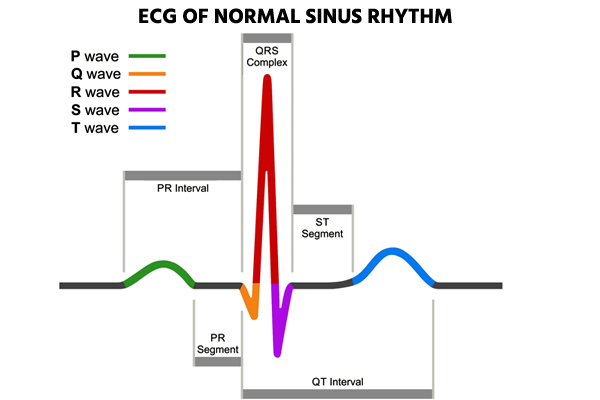
- Normal Sinus Rhythm: This means your heart is beating in a regular pattern, which is normal.
- Bradycardia: Your heart is beating slower than normal.
- Tachycardia: Your heart is beating faster than normal.
- Arrhythmia: The heart has an irregular beat.
- ST Elevation: This can be a sign of a heart attack or other heart conditions.
- ST Depression: This may indicate reduced blood flow to the heart.
- Atrial Fibrillation: The upper chambers of the heart are beating irregularly.
- Ventricular Hypertrophy: Thickening of the heart's walls, which can be due to high blood pressure or other conditions.
- Heart Block: Delays in the electrical signals that control heartbeats.
- QRS Prolongation: The electrical activity in the heart is taking longer than usual.
ECG Test Normal Range
ECG test that reflects the electrical activity of the heart. An adult's heart rate is considered normal if it remains between 60 and 100 beats/min. Additional essential parameters that are normal include P, QRS, and T wave morphology-normal & PR interval from 120 to 200 ms; Farrago with duration less than 120 ms rhythm. Any deviations outside these ranges can be indicative of a heart condition, so it's best to discuss results with a healthcare provider for proper interpretation.
How to Prepare for an ECG or EKG Test?
It is recommended to maintain your regular diet and hydration. Nevertheless, it is important to consider the following guidelines when dressing for the test day:
- Refrain from using oily or greasy skin products as they can hinder the electrodes from making proper contact with your skin.
- Avoid wearing full-length hosiery, as the electrodes must be directly placed on your legs.
- Wear a shirt that can be easily removed to allow for proper placement of the leads on your chest.
Risks of an ECG or EKG Test
There is no electrical shock risk from an electrocardiogram (ECG); the electrodes used in this perfectly safe and non-invasive test only measure electrical activity; they do not generate it.
There are possible side effects, including minor skin irritation or mild rash upon electrode application site removal of adhesive patches that may feel like the bandage peeling off in minutes or seconds.
ECG Test Findings
ECG tests can be normal or detect conditions of the heart like arrhythmias and coronary heart diseases. For any abnormal findings, you must consult a doctor.
Why is the ECG test Done?
Doctors recommend an ECG to:
- Check for heart problems like arrhythmias.
- Find out if you had a heart attack.
- Monitor heart health during treatments.
- Check heart function if you have symptoms like chest pain or dizziness.
Get a second opinion from trusted experts and makeconfident, informed decisions.
 Get Second Opinion
When is the ECG Test Needed?
An ECG is needed when you experience:
- Chest pain
- Shortness of breat
- Dizziness or fainting
- Irregular heartbeats
It can also be part of a routine heart health checkup.
Who Should Take the ECG Test?
You might need an ECG if:
- You have a family history of heart disease.
- You have high blood pressure or diabetes.
- You are experiencing heart-related symptoms.
- Your doctor wants to check your heart during a health exam.
What Type of Sample is Collected for the ECG Test and How?
- For an ECG, no blood or body sample is needed.
- The test collects the heart's electrical signals through sticky patches (electrodes) placed on your skin.
Are There Other Ways to Collect the Sample for the ECG Test?
There is no other way to perform an ECG.
- Only electrodes are used to pick up your heart's signals.
- No blood, urine, or other samples are collected.
How is the ECG Test Performed?
- You will lie down on a table.
- Small electrodes are attached to your chest, arms, and legs.
- The machine records your heart's electrical activity.
- The test is painless and quick.
Your health is everything - prioritize your well-being today.
Schedule Appointment
How Long Does the ECG Test Take?
- The ECG test usually takes about 5 to 10 minutes.
- Most of the time is spent placing the electrodes. Recording the heart's activity takes just a few seconds.
When Will I Get My ECG Test Results?
The results of your ECG Test are typically available within 12 to 24 hours, depending on how quickly the lab processes them. You will receive the report either via WhatsApp or as a printed copy. After you get your results, our doctor will review them with you and suggest any further steps, if necessary.
What Should I Do After Getting ECG Test Results?
- If your ECG is normal, continue your healthy habits.
- If results show any problem, follow your doctor's advice.
- You may need medication, lifestyle changes, or more tests based on the findings.
Is the ECG painful?
No, an ECG is completely painless. You might feel a slight tug or minor discomfort when the electrodes are removed, similar to taking off a bandage.
What are the Factors Affecting ECG Test Cost?
The cost of an ECG can vary based on:
- Location of the hospital
- Type of healthcare facility ( specialized hospital)
- If a specialist reads and interprets the test
- Emergency or urgent test needs
Other Tests
Frequently Asked Questions
No, an electrocardiogram (ECG) test is not painful. It is a non-invasive procedure that involves attaching electrodes to the skin to record your heart's activity.
A doctor may recommend an ECG test for the following reasons: like breathlessness, dizziness, chest pain, fainting, or irregular heartbeats.
There are no serious risks involved in an ECG test, but the removal of sticky electrodes may feel slightly uncomfortable.
An ECG test typically takes about 5-10 minutes to complete, including the time to attach and remove the electrodes.
No special preparation is required for an ECG test. However, follow your doctor's instruction before going for the test
Yes, stress and nervousness can affect ECG results by causing changes in heart rate and rhythm, which may appear as irregularities on the test.
Yes, you can eat before an ECG test. It does not require fasting and does not involve medications that would interfere with eating.
You can usually receive your ECG test results immediately after the test, as the data is processed in real time. Your doctor will review them with you.
An ECG cannot directly detect artery blockages but may show changes, such as abnormal rhythms or signs of heart strain, which could suggest a blockage.


