What is Deep Brain Stimulation?
Deep Brain Stimulation (DBS) is a minimally invasive brain surgery where thin electrodes are implanted in specific areas of the brain. These electrodes are connected to a small device (neurostimulator or brain pacemaker) placed under the skin near the chest.
The device sends mild electrical impulses to regulate abnormal brain activity, helping control movement problems and other symptoms. DBS is usually recommended for patients who do not respond well to medications.
4 to 8 Hours
Surgery Duration
General Anesthesia
Anesthesia Used
3-6 Months
Full Recovery Timeline
When is Deep Brain Stimulation (DBS) Recommended?
Indications for Deep Brain Stimulation (DBS) include conditions where medications no longer provide enough relief or cause significant side effects. It is mainly recommended for:
- Parkinson's Disease: Helps manage motor symptoms such as tremors, stiffness, and slow movement, improving daily function and reducing medication needs.
- Essential Tremor: Offers significant relief for patients with tremors unresponsive to medication, especially in the hands.
- Dystonia: Reduces involuntary muscle contractions and abnormal postures, improving mobility and comfort.
- Obsessive-Compulsive Disorder (OCD): Targets specific brain circuits to reduce severe, treatment-resistant OCD symptoms.
- Epilepsy: Shows promise in lowering seizure frequency and severity in patients with drug-resistant epilepsy.
- Depression: Being explored as a treatment for individuals with severe, treatment-resistant depression by stimulating targeted brain regions.
Preparation for Deep Brain Stimulation (DBS) Surgery
Preparing for deep brain stimulation (DBS)is a complete process that involves several steps to ensure safety and effectiveness:
- Medical Evaluation: A neurologist will assess your condition, review your medical history, and check if DBS is the right option.
- Imaging Tests: MRI or CT scans are done to map the brain and identify the exact area for electrode placement.
- Medication Review: Your doctor may adjust or stop certain medicines before surgery.
- Psychological Assessment: To check memory, mood, and mental health before the procedure.
- Pre-Surgery Guidelines: You may be asked to avoid food, drink, or certain medicines for a few hours before surgery.
- Discussion with the Surgical Team: The doctor will explain the procedure, benefits, risks, and recovery expectations.
Proper preparation helps improve the success rate and reduces complications.
Procedure for Deep Brain Stimulation (DBS) Surgery
Deep Brain Stimulation (DBS) is a surgical procedure that involves the implantation of a medical device, commonly referred to as a neurostimulator or brain pacemaker, to alleviate the symptoms of various neurological disorders.
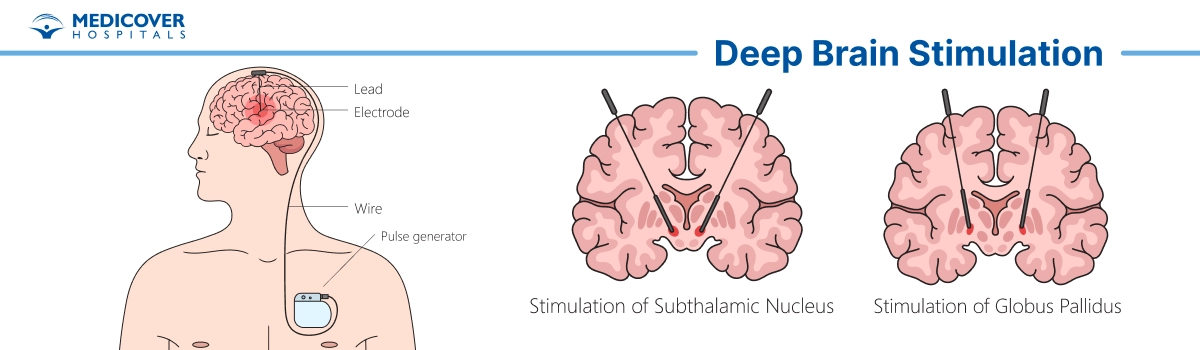
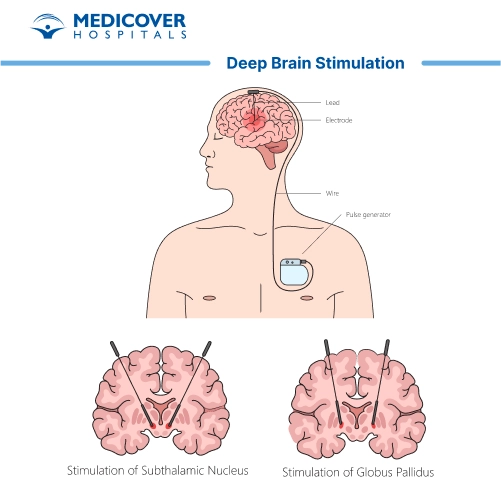
DBS surgery is usually performed in two main stages:
Stage 1: Electrode Placement
- The surgeon makes small openings in the skull.
- Thin wires (electrodes) are placed in the targeted areas of the brain.
- Brain imaging and test stimulation are used to confirm correct placement.
Stage 2: Implanting the Pulse Generator
- A small device called a neurostimulator (similar to a pacemaker) is placed under the skin of the chest.
- The electrodes in the brain are connected to this device through wires tunneled under the skin.
Activation and Adjustment
- After surgery, the device is programmed to send controlled electrical signals to the brain.
- Doctors adjust the settings to achieve the best results with minimal side effects.
The whole procedure may take several hours and is done under local or general anesthesia, depending on the case.
Who Will Perform the Deep Brain Stimulation Surgery?
Deep Brain Stimulation (DBS) is typically performed and managed by a team of specialists, including:
- Neurologist: Diagnoses and evaluates neurological conditions like Parkinson's disease, essential tremor, or dystonia to determine DBS suitability.
- Neurosurgeon: Performs the DBS implantation surgery, placing electrodes in the brain and the pulse generator in the chest.
- Movement Disorder Specialist: A neurologist with expertise in movement disorders who helps assess and adjust DBS settings.
- Psychiatrist/Psychologist: Evaluates mental health before surgery and provides post-operative support if needed.
- Neurophysiologist: Assists in brain mapping and electrode placement during surgery.
- Rehabilitation Team: Includes physical therapists, occupational therapists, and speech therapists to aid in post-surgery recovery.
This multidisciplinary team ensures a successful DBS procedure and long-term management.
Recovery After Deep Brain Stimulation Surgery
Recovery after deep brain stimulation (DBS) is a crucial phase in the treatment process. The recovery process can vary depending on the condition being treated, the individual's overall health and the surgical approach used. Here are some general guidelines for what to expect during the recovery period after deep brain stimulation surgery:
- Hospital Stay: Most patients stay in the hospital for a few days after the procedure for monitoring.
- Initial Healing: Mild pain, swelling, or discomfort at the incision sites is common and usually improves within 1-2 weeks.
- Device Activation: The DBS device is typically activated a few weeks after surgery, once the brain and surgical sites have healed.
- Adjustment Period: Doctors fine-tune the device settings over several visits to get the best symptom control.
- Resuming Activities: Light activities can often be resumed within 2-4 weeks, while full recovery and maximum benefit may take a few months.
With proper care and follow-up, many patients experience significant improvement in their quality of life.
Lifestyle Changes After Deep Brain Stimulation Procedure
Here are some potential lifestyle changes that individuals might experience after undergoing DBS:
- Regular Follow-ups: Attend scheduled appointments to adjust device settings and monitor brain function.
- Medication Management: Some patients may need fewer medications, but it's important to take them as prescribed unless the doctor advises otherwise.
- Activity Precautions: Avoid activities that could cause strong magnetic or electrical interference with the DBS device.
- Healthy Lifestyle: Balanced diet, regular exercise, stress management, and good sleep habits support overall recovery.
- Emotional Well-being: Counseling or support groups may help patients adjust to life with a DBS device.
- Side Effects: Temporary side effects, such as speech problems, mood changes and sensory disturbances, may occur.
Benefits of Deep Brain Stimulation (DBS) Surgery
DBS offers several advantages that make it a compelling option for individuals who have exhausted conventional treatment options:
- Precision: DBS targets specific brain areas, minimizing the risk of side effects associated with broad brain manipulation.
- Adjustability: The stimulation level can be adjusted by healthcare professionals, allowing for personalized treatment based on each patient's response and changing needs.
- Reduced Medication Dependency: In conditions like Parkinson's disease, DBS can reduce the reliance on medications, which often come with side effects and diminishing efficacy over time.
- Improved Quality of Life: Many patients experience a significant improvement in their quality of life, regaining functional independence and participating in activities they had to give up due to their condition.
Risks and Complications of DBS Surgery
- Surgical risks include infection, bleeding, and adverse reactions to anesthesia.
- Neurological complications, such as stroke, seizure, or cognitive changes.
- Hardware-related issues, including device malfunction, electrode displacement, or lead breakage.
- Changes in mood, behavior, or personality due to the brain's altered electrical activity.
- Individual outcomes vary, and not all patients experience significant symptom improvement.
Deep Brain Stimulation (DBS) Surgery Cost in India
Deep brain stimulation (DBS) surgery is a specialised procedure used to help patients with movement disorders like Parkinson's, essential tremor, and some other neurological conditions.
Here's a clear breakdown of the DBS surgery cost:
DBS surgery in India is typically priced between Rs. 9,00,000 and Rs. 20,00,000. Most patients can expect the full cost, including the surgery, the implanted device ( brain pacemaker), hospital stay, and initial follow-up care, to fall in the range of Rs. 10 lakh to Rs. 16 lakh at leading neurology centres.
 040 68334455
 WhatsApp
 Patient Portal
 Home Care