What Is the Brachial Plexus?
The brachial plexus is like a busy highway made up of nerves that starts in your neck and stretches into your shoulder, arm, and hand. These nerves carry signals from your spinal cord to control the muscles and send sensory information back, allowing you to move your arm and feel things like touch or temperature.
When the network of nerves gets hurt, that's called a brachial plexus injury. It can happen from things like shoulder accidents, trauma, or even during childbirth. Such injuries may make it hard for you to move your arm, cause numbness, or even pain.
What Is the Brachial Plexus Surgery?
If the injury is serious, doctors might recommend brachial plexus surgery. Brachial plexus surgery aims to fix or reconstruct the damaged nerves so your arm can regain strength and sensation over time. This might involve removing damaged nerve sections and replacing them with healthy nerve grafts or connecting nerves from other parts of your body.
Brachial Plexus Surgery Types
Different types of surgeries are used depending on the severity of the injury and the location of the nerve damage. Because the nerve network is delicate and complex, these surgeries require a great deal of skill and care. Each type of surgery has a special job to help you regain movement, feeling, and reduce pain.
- Nerve Repair: This surgery fixes nerves that have been cut or injured sharply, often by accidents. Doctors stitch the nerve ends back together to help them heal naturally. Think of it like repairing a broken wire so signals can pass through again.
- Nerve Graft: Sometimes parts of the nerve are too damaged and need to be replaced. In this surgery, a healthy nerve is taken from another part of your body (like your leg) and used to bridge the damaged part. This acts like a new pathway for nerve signals to travel.
- Nerve Transfer: If the nerve root is torn from the spinal cord and can't be repaired, doctors take a less important but working nerve nearby and connect it to the damaged nerve. This helps the muscles get signals again quickly. It's like rerouting traffic to avoid a blocked road.
- Muscle Transfer: When muscles in the arm are too weak or wasted from lack of nerve signals, a muscle from another area (often the inner thigh) is moved to the arm. The surgeon reconnects the blood vessels and nerves to this muscle so it can function in its new home.
- Neurolysis (Nerve Release): Scar tissue around nerves can trap them, causing pain or weakness. In neurolysis surgery, the surgeon gently frees the nerve from this scar tissue to help it work better.
- Pain Control Surgery: Severe brachial plexus injuries often cause intense pain. Sometimes, if medications don't help, surgery can be done to interrupt the pain signals, easing discomfort.
3 to 8 hours
Surgery Duration
General anesthesia
Anesthesia Used
6 months to 2 years
Full Recovery Timeline

What are the Reasons to Do Brachial Plexus Surgery?
Brachial plexus surgery is performed to address a range of conditions and injuries affecting the brachial plexus, a complex network of nerves that control movement and sensation in the upper extremity.
Reasons to Do Brachial Plexus Surgery
- Nerve Root Avulsion: When nerves are torn away from the spinal cord, this serious injury often causes severe pain and loss of arm or hand function. Surgery is usually needed to try to repair or restore nerve function.
- Nerve Rupture or Tear: In cases where nerves are partially or fully torn, surgery helps to reconnect the nerve ends so they can heal. Without surgery, recovery is unlikely.
- Nerve Compression or Neuromas (Nerve Scar Tissue): Sometimes nerves form painful scar tissue (neuromas) that compress or trap nerves. Surgery can release this pressure or remove the scar tissue to reduce pain and improve movement.
- Open or Penetrating Injuries: If the brachial plexus nerves are cut or damaged in an open wound or gunshot injury, urgent surgery is needed to repair the damage and prevent permanent loss of function.
- Failed Recovery After Conservative Treatment: Some nerve injuries might be initially treated without surgery to see if they heal naturally. If there is no improvement after 3 to 6 months, surgery is considered to prevent permanent disability.
- Obstetric Brachial Plexus Injury (Birth Injury): Babies who have difficulty during birth, causing nerve damage, may undergo surgery if they don't show improvement after several months. Surgery aims to help improve arm and hand function.
- Chronic or Delayed Injuries: Older injuries (more than a year old) may sometimes be operated on, especially in children, but have less chance of full recovery. Surgery at this stage is to improve function and reduce pain.
- Pain Management Surgery (DREZ Procedure): For severe nerve pain caused by avulsion injuries, special surgical procedures can be done to reduce the nerve pain if medications do not help.
Who Needs This Surgery?
- Patients with severe nerve injuries from accidents or sports.
- Individuals experiencing weakness, numbness, or paralysis in their arms.
- Infants with brachial plexus birth injuries (Erb's palsy).
How to Prepare for Brachial Plexus Surgery?
Preparing for brachial plexus surgery involves careful planning, communication with your medical team, and making necessary arrangements to ensure a successful surgical experience and smooth recovery.
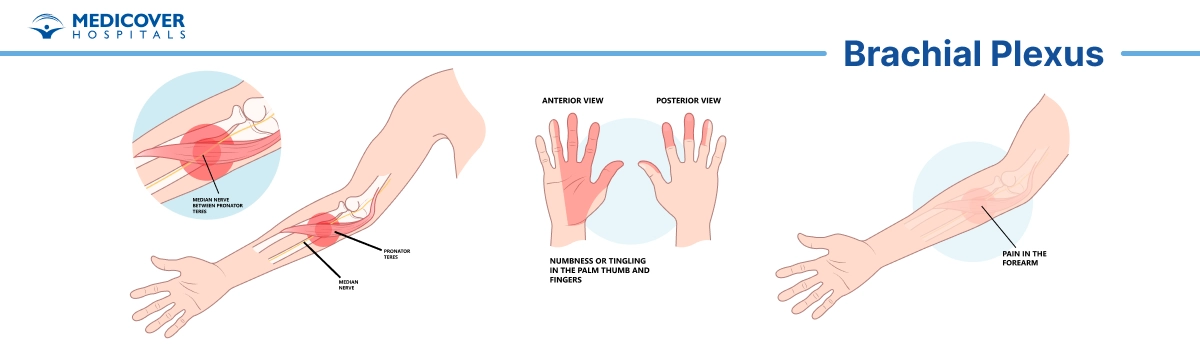
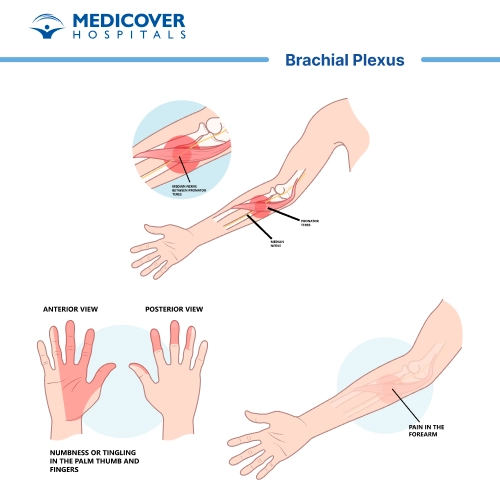
Before Brachial Plexus Surgery
- Your doctor will examine your injury carefully and explain the surgery plan clearly. Don't hesitate to ask questions, it's important you understand what's going to happen.
- You may need some tests before surgery to check the nerves and muscles, so be sure to attend all appointments.
- Your surgeon might talk with you about the risks, benefits, and what the surgery can realistically achieve for your arm function and pain.
Medication and Health Check
- Stop taking any blood-thinning medicines, such as aspirin or ibuprofen, about 2-3 weeks before surgery. These can cause extra bleeding during the operation.
- Have a full health checkup with your doctor a week before surgery to make sure you're healthy enough for anesthesia and the procedure.
The Night Before Surgery
- Take a bath or shower and wash your hair the night before surgery to reduce the risk of infection.
- Do not eat or drink anything after midnight or as advised by your doctor. This is very important to keep you safe during anesthesia.
On Surgery Day
- Arrive at the hospital at the time given by your healthcare team, usually a couple of hours before the surgery.
- Wear loose, comfortable clothing and leave valuables at home.
- Bring any paperwork your doctor gave you, along with ID and insurance information.
- You will need a responsible adult to come with you and drive you home afterwards because you won't be able to drive right after anesthesia.
During Surgery
- The surgery usually lasts a few hours, depending on the injury's complexity. You will be asleep under general anesthesia so that you won't feel pain during the operation.
- The surgeon will make a small cut near your collarbone to access the injured nerves and either repair or graft nerve tissue to help restore function.
Brachial Plexus Surgery Procedure Steps
During a brachial plexus surgery, the specific procedures performed will depend on the nature and severity of the injury or condition affecting the brachial plexus. The surgical approach may involve nerve repair, nerve grafting, nerve transfers, muscle transfers, tendon transfers, and other techniques.
- Preparing for Surgery: Before the surgery, you will be carefully evaluated with special tests like MRI or nerve studies. This helps surgeons understand exactly where and how badly the nerves are damaged. Then, when you go into surgery, you will be given general anesthesia so you won't feel any pain and will be comfortable during the entire procedure.
- Positioning and Cleaning: You will be placed in a semi-sitting position on the operating table. The area of the surgery, including your neck, shoulder, and chest, will be cleaned thoroughly to keep everything sterile and reduce the chance of infection.
- Making the Incision: The surgeon makes an incision starting at the side of your neck, near a muscle called the sternocleidomastoid. This cut goes down across the top of your collarbone, sometimes extending into the shoulder area. This gives the surgeon good access to the brachial plexus nerves.
- Identifying Important Structures:Inside, the surgeon carefully finds and protects important nerves and blood vessels. For example, the phrenic nerve (which helps you breathe) is identified so it won't be accidentally hurt. They also handle veins and arteries carefully to control bleeding and keep blood flow normal.
- Exploring the Nerves: The surgeon examines the brachial plexus nerves to see which ones are torn, stretched, or healthy. This detailed look helps decide the best repair method. Sometimes nerves are only bruised, sometimes they are completely torn or even pulled away from the spinal cord, which needs special attention.
- Repairing the Nerves
Based on what the surgeon finds, the repair might involve:
- Neurolysis: Cleaning scar tissue around the nerve to help it heal.
- Nerve Grafting: Taking a healthy nerve from somewhere else and using it to bridge a gap in the damaged nerve.
- Nerve Transfers: Using nearby healthy nerves to rewire and restore function.
- Tendon or Muscle Transfers: Occasionally, muscles and tendons may be moved to improve movement if nerve repair alone isn't enough.
- The surgeon uses a microscope and tiny tools to do these repairs very precisely.
- Closing the Incision: After all repairs are done, the surgeon closes the incision carefully with stitches. Sometimes a drain is placed to prevent fluid buildup. The area is then covered with a sterile bandage.
- Recovery and Rehabilitation: After surgery, pain and swelling are managed with medications and care. Early movement is usually limited to protect the repair, but soon you will start physical therapy tailored to regain strength, flexibility, and motion in your arm and hand.
Who Will Perform Brachial Plexus Surgery?
Brachial plexus surgery requires a specialised team of healthcare professionals:
Recovery after Brachial Plexus Surgery
Recovering from brachial plexus surgery takes time, patience, and careful care. The nerves grow slowly, so it may be months before you notice improvements. But don't worry, each step brings you closer to regaining movement and strength in your arm and hand.
Initial Recovery and Pain Management
- Right after surgery, pain and swelling are common. Your medical team will give you medications to help control pain so you can rest better.
- Wound care is important, your arm may be wrapped in a dressing or splint for about three weeks to protect the surgical site.
- You might feel weakness or numbness in your arm, which is normal as the nerves heal.
Early Movement and Physical Therapy
- After your doctor confirms it's safe, gentle, passive movements will start. Passive means someone helps move your arm without you using your muscles. This helps keep joints flexible and prevents stiffness.
- Physical therapy usually begins within a few weeks to months. It includes exercises to gently stretch and strengthen muscles and improve motion.
- Therapy is personalized based on your injury and progress. It may last for several weeks or months.
Occupational Therapy and Daily Activities
- Occupational therapy helps you regain fine motor skills and teaches you how to manage daily tasks safely.
- Therapists may suggest special exercises, assistive devices, or changes around your home to make daily life easier during recovery.
- Therapy can include exercises to improve hand grip, wrist movement, and elbow flexibility.
Long-Term Recovery and Follow-Up
- Nerves heal slowly, it can take up to two years to see full results.
- You'll have regular follow-up visits with your surgeon and therapists to track your progress and adjust your care plan.
- Sometimes, additional surgeries or treatments may be needed to improve arm function or range of motion further.
Lifestyle Changes After Brachial Plexus Surgery
After brachial plexus surgery, making certain lifestyle changes can help support your recovery, enhance the healing process, and improve the long-term outcomes of the surgery.
- Follow Medical Instructions: Meet to discuss wound care medications and attend follow-up appointments.
- Physical Therapy: Engage fully in therapy to regain strength and mobility.
- Nutrition & Hydration: Eat a nutritious diet and drink plenty of water to support healing.
- Quit Smoking: Smoking can slow recovery and nerve regeneration.
- Rest & Sleep: Prioritize quality sleep to aid tissue repair.
- Stress Management: Use relaxation techniques to reduce stress and promote healing.
- Avoid Overexertion: Follow activity guidelines and avoid strain.
- Good Posture: Maintain proper posture to protect healing areas.
- Patience: Stay patient with the recovery process and focus on self-care.
- Open Communication: Inform your healthcare team of any concerns or changes.
Benefits of Brachial Plexus Surgery
Brachial plexus surgery offers several potential benefits, including:
Key Benefits of Brachial Plexus Surgery
- Improved Arm and Hand Function: Your arm and hand might feel weak or paralysed after nerve damage. Surgery works to fix or reconnect these nerves to bring back strength and movement over time. This means you can start doing everyday tasks like holding objects or lifting your arm again.
- Reduced Pain and Discomfort: Nerve injuries often cause severe pain or burning sensations. Surgery can relieve this discomfort by repairing the damaged areas, helping you feel more comfortable and making daily life easier to manage.
- Enhanced Quality of Life: When your arm moves better and pain is reduced, your overall quality of life improves. You can feel more independent, get back to your hobbies, and even return to work with less physical limitation.
- Prevents Permanent Loss of Function: If nerves are left untreated for too long, the damage may become permanent. Surgery done early helps stop this and gives your nerves a better chance to heal and restore function.
- Restores Muscle Strength and Stability: The surgery can help restore stability to your shoulder and strength to your muscles. This support is important for preventing further injuries and helps you use your arm with more confidence.
- Pain Management Options: Besides restoring nerve function, the surgery also offers ways to control severe pain that doesn't improve with medicine alone. This includes techniques to interrupt pain signals, giving you much-needed relief.
- Customised Surgical Techniques: Depending on your injury, surgeons can use various methods like nerve repair, nerve grafts, nerve transfers, or even muscle transfers. These tailored approaches maximise your chances of recovery based on your unique condition.
Brachial Plexus Surgery Complications
When you undergo brachial plexus surgery to fix nerve injuries in your shoulder, arm, or hand, it's natural to wonder about possible complications. Surgery aims to improve function, but like all operations, it comes with some risks.
Common Brachial Plexus Surgery Risks
- Infection at the surgical site: Sometimes, the wound might get infected. This can cause redness, swelling, pain, or even discharge. It's usually treatable with antibiotics, but keeping the wound clean and following care instructions helps prevent it.
- Wound healing problems: Your incision might take longer to heal, or the edges could separate slightly (called wound dehiscence). This is more common if you have conditions like diabetes or if the wound is under tension.
- Hematoma or bleeding: Blood can sometimes collect under the skin near the surgery area, leading to swelling and discomfort. It may need to be drained if it is large.
- Nerve damage: Although surgery tries to fix nerves, there's a small risk of accidentally injuring nearby nerves, which can cause numbness, weakness, or pain. Serious nerve injuries happen in less than 5% of cases but can have lasting effects.
- Vascular injury: Rarely, blood vessels near the brachial plexus can be damaged, affecting blood flow to the arm. This needs urgent attention if it happens.
- Stiffness in joints: If your arm or hand doesn't move well after surgery, the joints can become stiff. Physical therapy is very important to keep the joints flexible and muscles strong.
What is the Cost of a Brachial Plexus Surgery?
In India, brachial plexus surgery can cost anywhere from approximately Rs. 2,00,000 to Rs. 7,00,000, depending on the hospital and the complexity of the surgery.
The cost of brachial plexus surgery varies widely depending on factors such as the location, hospital, procedure complexity, and patient condition. Here's a simple, easy-to-understand explanation of the cost breakdown and steps involved in brachial plexus surgery:
What Affects the Cost of Brachial Plexus Surgery?
- The type and severity of the brachial plexus injury.
- The specific surgical procedure needed (nerve grafting, nerve transfer, decompression, or muscle transfer).
- Hospital charges include accommodation, operating theatre, and nursing care.
- Surgeon and anesthesia fees.
- Diagnostic tests and pre-surgery investigations.
- Post-surgery medications and physical therapy.
- Duration of hospital stay and any complications arising during recovery.
 040 68334455
 WhatsApp
 Patient Portal
 Home Care