 040 68334455
 WhatsApp
 Patient Portal
 Home Care
Best Trifascicular Block Doctors in India
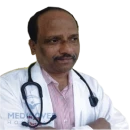
Dr Sampath Kumar

Dr Pramod Kumar Kuchulakanti

Dr Hemanth Kumar Behera

Dr Archana Behera

Dr Matha Srinivas

Dr Naga Srinivaas

Dr A Suresh

Dr Pranav Pallempati

Dr Sadanand Reddy

Dr P Sridhar

Dr B Annaji Rao

Dr Anil Krishna G

Dr R Balaji

Dr G. Ravi Kumar

Dr Ravindra L Kulkarni

Dr N Chaitanya Kumar

Dr C Vijay Amarnath Reddy

Dr B S Praveen Kumar

Dr Sagar Chandrashekhar Bhuyar

Dr A Sharath Reddy

Dr Nitin Annarapu

Dr Srikanth Bodepudi

Dr Sameer Vankar

Dr Bharavi Chunduri

Dr Premchand

Dr Tamiruddin Dawande

Dr Sudhir Suryakant Shetkar

Dr Kurakula Naresh

Dr S Srikar Samir Nandan

Dr Siva Kumar Darimireddy

Dr U Uma Devi

Dr( Major) Jayaprasad V

Dr Keshav Dada Kale

Dr Alluri Ashok Raju

Dr Rahul Gutte

Dr Seema Ajay Naxane

Dr Manohar Reddy P

Dr Shravan Kumar Rampelly

Dr Sravan Kumar V

Dr Kumar Narayanan
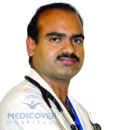
Dr N Siva Prasad Naidu

Dr Dumpa Vasudeva Reddy

Dr Bharath Reddy D

Dr Jayaram M

Dr Balakrishna Malepati

Dr Ashwin Kumar Panda

Dr Sudheer Reddy Chandra

Dr Santosh Mohanalal Modani

Dr C S Theja Nandan Reddy

Dr Ankush Kolhe

Dr S Chandra Kumari

Dr Sumit Rameshwar Shejol

Dr Kanchan M Bhambare

Dr J Sri Kiran

Dr M S Ahire
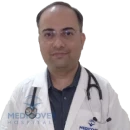
Dr Vikrant V Deshmukh

Dr Tukaram Aute

Dr Malla Phanindra

Dr K P Ranganayakulu

Dr Prashant Sadashiv Shinde

Dr Daya S Vaswani

Dr Ameya Ashok Ithape

Dr S N Chennakesava Rao Kuchiraju

Dr Ravi Kumar Reddy Matli

Dr Anup Vineet Mahajani

Dr Jyothi Matchetti

Dr Paidi Suresh Kumar

Dr Suraj Patil

Dr Sonam Prashant Shinde

Dr Eknath Sanap

Dr Gopala Krishna Medarametla

Dr Kuldeep R Totawar

Dr Shafi Palagiri

Dr G Ravi Kiran

Dr CH N Raju

Dr Sandeep Rao

Dr Lokanath Seepana

Dr Pabba Anish

Dr Jagadeesh Chandra Bose Y

Dr Akif Ahamad Baig
Importance of Trifascicular Block Specialist in Treatment
A trifascicular block is a type of heart block that affects three parts of the heart's electrical conduction system. If left untreated, it can progress to complete heart block, a life-threatening condition. Early detection and management through pacemaker implantation or medication are vital to prevent complications such as syncope ( fainting ) or sudden cardiac arrest .
Why to Choose Trifascicular Block Specialists at Medicover Hospitals in India
Cardiologists at Medicover Hospital offer advanced diagnostic tools such as ECG and electrophysiological studies to detect and treat trifascicular block. Treatment options include pacemaker implantation and medications to restore normal heart rhythm.

Why Choose Our Doctors?
- Our doctors are experts in their fields and have years of experience.
- We provide top-tier medical infrastructure and technology.
- Easy booking options for both virtual and in-person consultations.
- Insurance & Cashless Payment Support
- Emergency & 24/7 Care
- Compassionate & Patient-Centered Approach
- Multi-Disciplinary Expertise (Collaboration between specialists ensures comprehensive treatment plans).
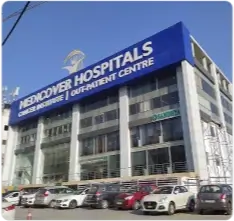
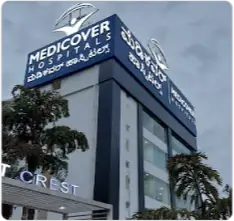
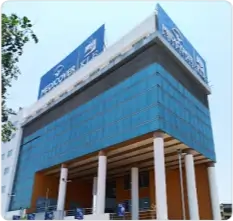
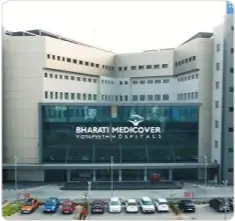
Our Hospitals Near You
Popular Searches
Frequently Asked Questions
In the initial stages, common symptoms of Trifascicular Block may include dizziness, fainting, and heart palpitations. Seek medical evaluation promptly if experiencing these signs.
Manage trifascicular block through regular monitoring by a healthcare provider and possibly using a pacemaker if symptoms develop. Control underlying conditions like hypertension and adopt a heart-healthy diet and exercise regimen.
Specialists treating Trifascicular Block may also manage related conditions like heart arrhythmias, coronary artery disease, and heart failure. Seek comprehensive care for optimal health outcomes.
Treatment options for Trifascicular Block include medication, pacemaker implantation, and close monitoring by a cardiologist. In severe cases, a combination of treatments may be recommended to manage this heart conduction disorder effectively.


Feeling unwell?
Request a callback!
