 040 68334455
 WhatsApp
 Patient Portal
 Home Care
Best Kaposiform Hemangioendothelioma Doctors in India

Dr Kandra Prasanth Reddy

Dr Ravi Chander Veligeti

Dr Nagendra Kadapa

Dr A Venugopal

Dr Alamuri Ramesh

Dr Muralidhar Gullipalli

Dr Karthik Chandra Vallam

Dr Venkata Krishna Reddy P

Dr K Pradeep Bhaskar

Dr M Ramesh Babu

Dr G Ranga Raman

Dr Rahulkumar Narayan Chavan

Dr Vidya Sagar Dusi

Dr Karimi Prashob Kumar

Dr Abhilash Gavarraju

Dr Ramavath Dev

Dr Lalitya Swarna Pethakamsetty

Dr Prudhviraj Masapu

Dr Sravan Kumar Reddy V

Dr Jyothsna Mandarapu

Dr Siddhesh Rajendra Tryambake

Dr Ajay Varun Reddy T

Dr Sarita Shrivastva

Dr Ashutosh Tondare

Dr Anup Toshniwal

Dr Bammidi Sandeep

Dr Anvesh Endla

Dr Kavitha Uppala

Dr Rachita Bahety

Dr Raziuddin Khwaja

Dr Ashish Bangar

Dr Nived Rao Balmoori

Dr G V Nagarjuna Reddy

Dr Rigved Nittala

Dr Madala Ravi Krishna

Dr Prudvi Raj

Dr Venkata Sambasivarao

Dr SK Mehabunnisa

Dr Varun Prakash Kollu

Dr Chaitanya Kumar

Dr Haripriya Gude

Dr Lokeswari

Dr Anugu Goutham
Dr Chakka Radha Siva Bharath

Dr Aparna Nallagangula

Dr Mounika Reddy Yallala

Dr Jeepalem Sai Moulika

Dr Sowdepalli Avinash

Dr D S K Sahitya

Dr Shruti Surushe

Dr Neelesh Kanderi
Importance of Kaposiform Hemangioendothelioma Specialist in Treatment
Kaposiform Hemangioendothelioma is a rare vascular tumor that primarily affects infants and young children, causing painful swelling and discoloration of the skin. Early intervention is crucial as the tumor can grow rapidly and lead to complications such as bleeding and organ damage. At Medicover in India, our specialists offer evidence-based care for Kaposiform Hemangioendothelioma, utilizing advanced diagnostic techniques and tailored treatment plans to address each patient's unique needs. Our multidisciplinary team collaborates to provide comprehensive care, including medical and surgical interventions, as well as supportive therapies to enhance recovery outcomes. By combining cutting-edge medical expertise with personalized attention, Medicover ensures that patients with Kaposiform Hemangioendothelioma receive the highest quality care to optimize their health and well-being.
Why to Choose Kaposiform Hemangioendothelioma Specialists at Medicover Hospitals in India
Patients with Kaposiform Hemangioendothelioma should consider choosing Medicover Hospitals in India for specialized care and advanced treatment options. Medicover has a proven track record of successfully treating Kaposiform Hemangioendothelioma and improving patient outcomes. They offer tailored treatment plans that consider the unique needs of each patient, ensuring personalized care for optimal results. Medicover's team of experts are well-versed in the latest advancements in treating Kaposiform Hemangioendothelioma, providing patients with access to cutting-edge therapies and techniques. By choosing Medicover Hospitals, patients with Kaposiform Hemangioendothelioma can rest assured that they will receive top-notch care and support throughout their treatment journey.

Why Choose Our Doctors?
- Our doctors are experts in their fields and have years of experience.
- We provide top-tier medical infrastructure and technology.
- Easy booking options for both virtual and in-person consultations.
- Insurance & Cashless Payment Support
- Emergency & 24/7 Care
- Compassionate & Patient-Centered Approach
- Multi-Disciplinary Expertise (Collaboration between specialists ensures comprehensive treatment plans).
Our Hospitals Near You
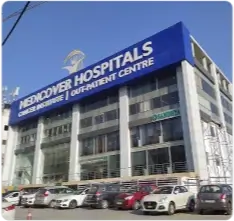
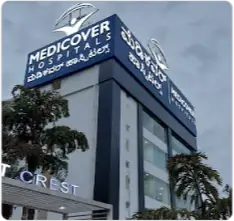
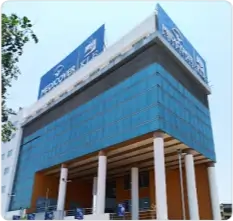
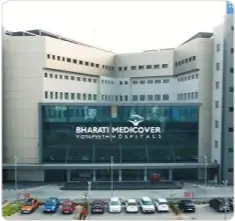
Popular Searches
Frequently Asked Questions
Initial symptoms of Kaposiform Hemangioendothelioma may include a reddish-brown mass on the skin. Patients should be aware of potential complications, such as Kasabach-Merritt phenomenon, which involves bleeding disorde Rs.
Kaposiform Hemangioendothelioma is managed through a multidisciplinary approach that may include surgery, medication (such as steroids), and active surveillance. Early intervention is crucial to prevent complications like Kasabach-Merritt syndrome.
Associated conditions can include Kasabach-Merritt syndrome and other vascular malformations, complicating clinical management.
Treatment typically involves surgical excision when feasible. In some cases, chemotherapy or targeted therapy may be utilized.


Feeling unwell?
Request a callback!
