What is Otoplasty Surgery?
Otoplasty surgery, also known as ear surgery or ear pinning, is a cosmetic surgical procedure designed to reshape and reposition the ears. Otoplasty aims to improve the appearance of the ears by addressing issues such as prominent ears, ear deformities, or asymmetry.
This surgical procedure can significantly improve a person's self-confidence and facial balance. The surgery is commonly performed on children and adults, and its primary objectives include:
- Prominent Ears: Otoplasty is often sought by individuals with ears that stick out prominently from the sides of the head. The surgery can create a more balanced and natural ear position.
- Ear Asymmetry: If there is a noticeable difference in the size, shape, or position of the ears, Otoplasty can help achieve better symmetry.
- Congenital Deformities: Otoplasty can address congenital ear deformities, such as lop ear, cupped ear, or shell ear, to improve the overall appearance of the ears.
- Injury Correction: Ear injuries or trauma can result in deformities that affect the appearance of the ears. Otoplasty can help restore a more natural look.
Types of Otoplasty
Otoplasty offers different techniques to correct ear shape, size, or position depending on individual needs. The main types of otoplasty include:
- Ear Pinning (Cosmetic Otoplasty): Repositions protruding ears closer to the head for a balanced appearance.
- Ear Augmentation (Reconstruction): Reshapes and redefines ear cartilage for those with congenital deformities or injuries.
- Lobule Repair: Fixes stretched or torn earlobes due to piercings or trauma.
- Ear Reduction: Reduces overly large ears for a more proportionate look.
- Otoplasty for Children: Focuses on correcting congenital ear deformities, commonly performed at ages 4-6.
- Non-Surgical Otoplasty: Involves temporary techniques like sutures or implants for ear reshaping without surgery.
1-2 Hours
Procedure Duration
Local Anesthesia + Sedation / General (Children)
Anesthesia Used
1 Week (Full Healing in Weeks-Months)
Recovery Timeline

When is Otoplasty Recommended?
Otoplasty is often chosen by people who are unhappy with the shape, size, or position of their ears. It can improve both appearance and confidence.
Indications of Otoplasty Surgery include:
- Prominent ears that stick out more than usual
- Large or unevenly shaped ears
- Birth defects or congenital ear deformities
- Ear injuries or trauma that affect shape
- Children or adults who feel self-conscious about their ears
- Emotional discomfort or low self-esteem related to ear appearance
How to Prepare for Otoplasty Surgery?
Getting ready for otoplasty involves a few important steps to ensure safety and good results. Your surgeon will guide you through the process, which may include:
- Medical evaluation: A check-up to assess your overall health and suitability for surgery.
- Discussion of expectations: Talking with your surgeon about the desired ear shape and realistic outcomes.
- Stopping certain medicines: Avoiding blood-thinning drugs, aspirin, or herbal supplements that may increase bleeding.
- Avoiding smoking and alcohol: These can slow down healing and should be stopped at least a few weeks before surgery.
- Fasting before surgery: If general anesthesia is used, you may need to avoid food and drink for several hours before the procedure.
- Arranging support: Planning for someone to drive you home and help for the first day after surgery.
Otoplasty Surgery Procedure
The otoplasty procedure is designed to improve the appearance of the ears by reshaping, repositioning, or reducing excess skin. This surgical process ensures a natural, balanced ear appearance with minimal scarring.
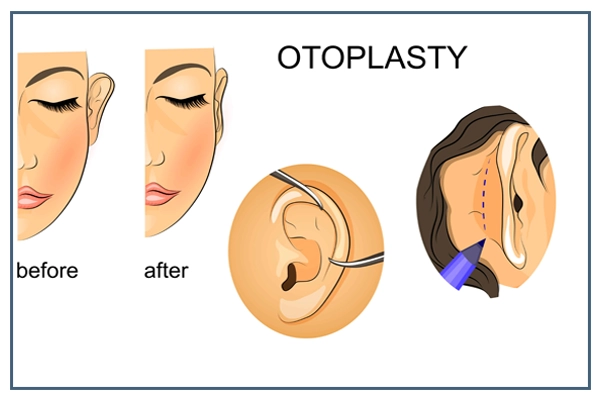
Here's an overview of what happens during an otoplasty surgery:
- Anesthesia: Local or general anaesthesia is used so you won't feel pain during the surgery.
- Incision Placement: A small cut is usually made behind the ear to hide any visible scars.
- Cartilage Reshaping: The surgeon reshapes or trims the cartilage to achieve the desired ear shape.
- Ear Positioning: The ears may be moved closer to the head for a more natural look.
- Skin Excision: If needed, a small amount of extra skin is removed for a better contour.
- Closing Incisions: The incision is closed with fine stitches, leaving minimal visible scars.
- Dressing & Bandaging: A bandage is placed to support healing and help the ears stay in their new shape.
Who Will Perform the Otoplasty?
Otoplasty, also known as ear reshaping surgery, is performed by specialized surgeons trained in cosmetic and reconstructive ear procedures.
- Plastic Surgeon
- Facial Plastic Surgeon
- ENT Surgeon
- Pediatric Plastic Surgeon
- Cosmetic Surgeon
Recovery After Otoplasty Surgery
After otoplasty, most people recover quickly and see improvements in a short time. Here's what you can expect during recovery:
- Dressing and Support: A dressing or bandage will be applied to protect and support your ears during healing.
- Discomfort and Swelling: Expect swelling, bruising, and discomfort around the ears. Cold compresses can help reduce swelling.
- Medications: Take prescribed pain relief and infection prevention medications, and avoid those that may increase bleeding.
- Sleeping position: You may need to sleep on your back with your head elevated to avoid putting pressure on the ears.
- Restricted Activities: Avoid strenuous activities, heavy lifting, or vigorous exercises for a few weeks.
- Follow-up Appointments: Attend follow-up appointments to monitor your healing progress and address any concerns.
- Results and Healing Time: Full recovery may take a few months, with final results becoming visible over time.
Lifestyle Changes after Otoplasty Surgery
Lifestyle changes after otoplasty surgery, also known as ear surgery or ear pinning, are generally temporary and aim to support a smooth recovery and optimal healing.
These adjustments help protect the surgical area, minimize discomfort, and promote the best possible results.
Here are some lifestyle changes to consider during the postoperative period:
- Protect your ears: Avoid activities that may put pressure on the ears, like contact sports, until your surgeon allows.
- Sleep carefully: Rest on your back to prevent pressure on the ears during healing.
- Wear protective bandage/headband: Use as recommended to support the new ear shape.
- Avoid heavy exercise: Skip intense workouts until recovery progresses.
- Gentle hair care: Be cautious while combing or washing hair near the ears.
- Follow-up care: Attend all follow-up appointments to track healing.
- Healthy habits: Eat a balanced diet and stay hydrated to promote faster recovery.
Benefits of Otoplasty Surgery
Otoplasty surgery offers both cosmetic and psychological benefits, helping individuals feel more confident while achieving natural-looking ear appearance.
- Improved Ear Appearance: Corrects protruding, large, or uneven ears. Creates a natural, balanced look that suits the face.
- Boosts Self-Confidence: Reduces self-consciousness about ear shape or size. Especially beneficial for children and teens who may face teasing or bullying.
- Permanent Results: Unlike temporary fixes, otoplasty offers long-lasting or lifelong improvement.
- Customizable Procedure: Can address one or both ears. Customised to meet the patient's unique cosmetic or reconstructive needs.
- Minimal Scarring: Incisions are usually made behind the ear, leaving scars well hidden.
- Safe and Effective: Considered a low-risk procedure with high patient satisfaction rates.
- Improves Quality of Life: Enhances comfort when wearing helmets, glasses, or hairstyles that reveal the ears.
Risks and Complications of Otoplasty
Otoplasty risks should be carefully considered before undergoing the procedure.
Understanding the potential complications can help patients make informed decisions about their surgery.
- Infection
- Scarring
- Bleeding
- Asymmetry
- Numbness
- Hematoma
- Overcorrection/Undercorrection
- Wound Healing Problems
- Cartilage Deformation
Cost of Otoplasty (Ear Pinning Surgery) in India
Otoplasty in India typically costs betweenRs.40,000 andRs.1,75,000, depending on the city and clinic. In metro areas like Mumbai, Delhi, Bangalore, and Hyderabad, the range is aroundRs.50,000 toRs.1,65,000, with average prices betweenRs.85,000 andRs.93,000.
In cities like Chennai and Hyderabad, the range is roughlyRs.50,000 toRs.1,50,000. Variations depend on surgeon expertise, procedure complexity, anesthesia type, and facility quality.
 040 68334455
 WhatsApp
 Patient Portal
 Home Care