What is Heart Bypass (Coronary Artery Bypass Grafting) Surgery?
Coronary Artery Bypass Grafting (CABG) is also known as heart bypass surgery, is a procedure used to restore healthy blood flow to the heart when coronary arteries become narrowed or blocked due to plaque buildup (coronary artery disease).
During the surgery, the surgeon takes a healthy blood vessel (called a "graft") from another part of your body, such as the chest, leg, or arm, and connects one end above the blockage and the other below it. This creates a new route, allowing blood to flow more freely to your heart muscle.
Who Needs Heart Bypass Surgery?
Coronary Artery Bypass Grafting (CABG)or heart bypass surgery is recommended for people with severe heart artery blockages that cause chest pain (angina), shortness of breath, or those at high risk of heart attack. It is commonly advised when lifestyle changes, medications, or other treatments are no longer effective.
It's for patients with:
- Coronary artery disease (CAD)
- Blocked or narrowed heart arteries
- Previous heart attacks or a high risk of one
- Poor heart function due to reduced blood flow
This surgery helps restore blood flow to the heart and improves heart function and quality of life.
Types of Heart Bypass Surgery
There are different types of heart bypass surgeries depending on how many arteries are blocked and need to be bypassed. The most common types are:
- Single bypass surgery: If one artery is blocked, a single graft is used to bypass it.
- Double bypass surgery: If two arteries are blocked, two grafts are used to bypass them.
- Triple bypass surgery: In this procedure, three arteries are blocked, and three grafts are used to bypass them. It is also known as a 3-bypass surgery.
- Quadruple bypass surgery: In Quadruple bypass surgery, if four arteries are blocked, four grafts are used to bypass them. It is also called a 4-bypass surgery.
- Quintuple Bypass Surgery: In this procedure, five grafts are utilised to bypass five blocked or narrowed coronary arteries. It is also known as a 5-bypass surgery.
- Sextuple Bypass Surgery: Here, six grafts are created to bypass six blocked or narrowed coronary arteries. It is also known as a 6-bypass surgery.
3 to 6 hours
Surgery Duration
General Anesthesia
Anesthesia Used
5 to 7 days
Hospital Stay
6 to 12 weeks
Full Recovery Timeline

Why Heart Bypass Surgery Is Done?
Heart bypass surgery, also known as Coronary Artery Bypass Grafting (CABG), is performed when one or more of the heart's arteries become severely blocked by plaque, cutting off the oxygen-rich blood that keeps the heart muscle working properly.
Doctors recommend CABG when non-surgical treatments like medications or angioplasty (stenting) aren't enough especially in cases of:
- Severe blockage in the left main coronary artery (which supplies a large part of the heart)
- Narrowing in multiple arteries (triple-vessel disease), particularly affecting the front of the heart (LAD)
- Failed angioplasty or re-narrowed arteries after stenting
- Severe coronary artery disease (CAD) with significant blockages
- Persistent chest pain (angina) that doesn't respond to medication
- Multiple blocked arteries, especially in diabetic or high-risk patients
- Left main coronary artery disease, which affects the major blood supply to the heart
- Failed angioplasty or stent placement, or when those are not viable options
- Reduced heart function due to poor blood flow
- Risk of a heart attack due to a serious arterial blockage
How to Prepare for Heart Bypass Surgery?
Start Planning Early
- Attend pre-op appointments: In the 2-3 weeks leading up to surgery, schedule a visit with your surgeon and complete all required tests, including blood counts, clotting tests, kidney & liver function tests, an ECG, a chest X-ray, and an angiography.
- List your medications: Tell your doctor about every medicine, vitamin, or herbal supplement you're taking. Some (like aspirin or blood thinners) may need to be stopped before surgery to reduce bleeding risk.
Prepare Your Body and Living Space
- Home arrangements: Ask someone to help you at home after surgery. Get chores done, stock up on essentials, and pre-pay bills so you can rest without worry.
- Skin preparation: The night before surgery, shower with the special antiseptic soap or wipes your hospital recommends and avoid lotions or perfumes. This helps reduce infection risks.
- Clothing and packing: Choose comfortable, easy-to-wear clothes. Pack only essentials like ID, insurance, glasses, and toiletries.
Day Before & Day of Surgery
- Fasting rules: Typically, stop eating and drinking after midnight the night before surgery. You may sip a bit of water with prescribed medications.
- Medications: Only take medications your doctor directs, with a small sip of water. Diabetic patients may need insulin adjustments to check with your medical team.
- No personal items: Leave valuables at home. You may wear dentures or glasses, but jewellery, makeup, and contact lenses should be removed before surgery.
Understand the Process & Stay Engaged
- Ask your doctor: Clarify procedure details, possible risks, hospitalisation duration, and what recovery looks like. Staying informed reduces anxiety.
- Expect hospital ICU time: Most patients spend 1-2 days in the ICU post-surgery, briefly on a ventilator. Nurses monitor vital signs closely during this time.
- Early mobilisation: You may begin moving, using breathing exercises, and cautiously walking as early as the first day.
What Happens During the Heart Bypass Surgery Procedure?
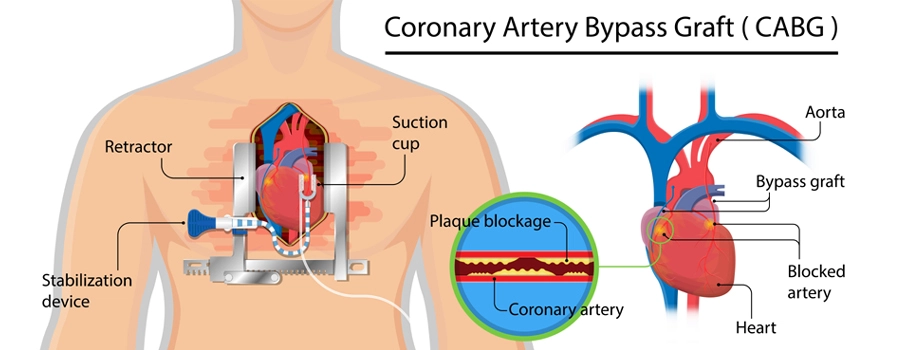
CABG or coronary surgery is a sophisticated and life-saving surgical technique that treats CAD by making new routes for blood to reach the heart muscle. Here is a detailed overview of the bypass surgery procedure;
Before the Surgery
Before the operation, your medical team conducts all essential pre-op checks, blood work, chest X-ray, and assessments to ensure the safety of harvesting graft vessels from your leg or chest. If you're on blood thinners like aspirin or warfarin, these are paused safely days ahead to prevent excess bleeding.
How is the surgery done?
- Anesthesia: You'll be under general anesthesia, and surgeons will place an IV, breathing tube, and connect you to a heart-lung machine ("on-pump surgery") to keep blood flowing while operating on a still heart.
- Incision: A vertical incision in the chest is made, and the sternum is divided to access the heart.
- Harvesting Grafts: Blood vessels are taken from your leg, chest, or arm, commonly the saphenous vein or internal mammary artery, to create bypass routes around blocked coronary arteries.
- Bypass Grafting: The surgeon stops your heart, attaches one end of the graft to your aorta and the other to the affected coronary artery past the blockage.
- For traditional CABG, the heart is stopped and connected to a heart-lung machine (on-pump).
- In off-pump (beating-heart) surgery, grafts are attached while the heart continues to beat. This approach may reduce stroke risk and shorten recovery time.
- Finishing the Operation: Once the surgery is done, Heart circulation is restored, the bypass machine is removed, the heart wires or pacing leads are inserted if needed, and your breastbone is closed with wires.
After Surgery
- In the ICU: You'll spend 1-2 days in the ICU, monitored closely for heart rhythm, breathing, and other vital signs. A breathing tube may remain until you're stable.
- Stepping Down: Once stable, you move to a regular ward. Nurses guide you on deep breathing and coughing exercises to prevent lung issues like pneumonia.
- Medications & Monitoring: You'll receive pain relief, aspirin to prevent graft blockages, blood pressure medications such as ACE inhibitors or beta blockers, and inotropes if needed.
Who Performs Heart Bypass Surgery?
Heart bypass surgery, also called coronary artery bypass grafting (CABG), is a complex operation performed by highly trained cardiothoracic surgeons, also referred to as cardiac surgeons.
Who they are & how they train
- These are medical doctors who first complete general medical training and surgical residency. They specialise in heart and chest surgery through rigorous programs that can take an additional 4-6 years or more to complete.
- Some of them further sub-specialize in areas like pediatric heart surgery (for children born with heart defects), heart transplants, or advanced bypass techniques.
Recovery After Heart Bypass Surgery
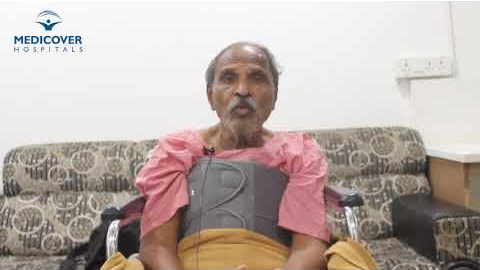
Recovery after heart bypass surgery usually takes about 6 to 12 weeks. Patients may stay in the hospital for 5 to 7 days after the surgery. During recovery:
- Rest is crucial: Avoid heavy lifting or intense activity for the first few weeks.
- Pain and discomfort in the chest or incision area are normal and usually improve over time.
- Gradual return to activity: Light walking and breathing exercises are encouraged.
- Diet and lifestyle changes: A heart-healthy diet, quitting smoking, and managing stress all contribute to long-term success.
- Follow-up care: Regular doctor visits ensure healing is on track and any complications are managed early.
- Wound Care & Activity Precautions: Clean your chest wound daily with gentle soap and water. Avoid heavy lifting or raising your arms for several weeks to allow the sternum to heal.
- Gradual Return to Activity: Driving and sexual activity typically resume after 4-6 weeks. Most return to normal routines in 6-12 weeks, guided by your doctor.
- Cardiac Rehabilitation: This may include supervised exercise, diet counselling, and lifestyle guidance to help you regain strength and heart health.
- Watch for Warning Signs: Notify your doctor if you experience chest pain, fever, abnormal heartbeat, wound problems, breathing difficulty, or sudden weight gain.
Most people return to normal daily activities within 2 to 3 months, but complete recovery may take longer, depending on age and health condition.
Lifestyle Changes After Bypass Surgery
- Strictly follow the doctor's instructions and take the medications as prescribed.
- Do breathing and coughing exercises for 4 to 6 weeks to avoid lung infections.
- Walk two to three times a day and slowly increase the time and intensity of physical activity.
- Eat a diet that is good for the heart, low in saturated fat, salt, and sugar, and high in fibre, fruits, and vegetables.
- Keep a healthy body weight and prevent obesity.
- Stop smoking and stay away from secondhand smoke.
- Manage high blood pressure, cholesterol, and blood sugar levels.
- Lower stress and practice relaxation methods such as meditation, yoga, or deep breathing.
- Do not remove, scrub, rub, or apply lotion or powder to the incisions until they have healed fully.
- Don't swim, take baths, or expose the incisions to sunlight until they have fully healed.
- Avoid lifting heavy objects, driving, or engaging in strenuous activities for at least six weeks after the surgery.
- Get medical help if you experience chest pain, shortness of breath, fever, bleeding, an infection, or any other symptoms.
Benefits of Heart Bypass Surgery
Heart Bypass Surgery is life-saving and offers long-term relief from symptoms for those with significant heart blockages.
- Improves blood flow to the heart by bypassing blocked arteries.
- Reduces chest pain (angina) and other symptoms of heart disease.
- Enhances physical activity levels and overall energy.
- Lowers the risk of heart attacks and other serious heart conditions.
- Improves quality of life and helps patients return to normal routines.
- Increases life expectancy for many with severe coronary artery disease.
- Helps avoid emergency heart complications, especially in high-risk cases.
What are the Risks of Heart Bypass Surgery?
While heart bypass surgery is generally safe and effective, some patients may experience complications after the procedure. These can vary based on age, overall health, and the presence of other medical conditions.
Heart Bypass Surgery Complications
Common after heart bypass surgery side effects and complications include:
- Infection at the incision site or in the chest
- Bleeding that may require additional intervention
- Irregular heart rhythms (arrhythmias) like atrial fibrillation
- Blood clots, which can lead to a stroke or a heart attack
- Memory issues or confusion, especially in older adults
- Kidney problems are usually temporary
- Fatigue and weakness are common during the healing process
- Chest pain or discomfort as the breastbone heals
Most of these complications are manageable with medical care and proper follow-up. Following your doctor's instructions and attending cardiac rehabilitation can help minimise risks and support a smoother recovery.
How Much Does Heart Bypass Surgery Cost?
At Medicover Hospitals, we know that knowing the cost of heart bypass surgery (CABG) upfront gives you peace of mind. In India, the average cost of this critical procedure typically ranges between Rs. 300,000 and Rs. 650,000, depending on the city, hospital, and surgical approach.
Key Factors That Influence the Cost:
- Number of bypasses needed (e.g., single vs. triple bypass more grafts raise costs)
- Type of surgery: off-pump or minimally invasive CABG may cost more than conventional open-heart surgery.
- Surgeon's expertise
- Hospital type & room choice
- Additional components, including pre-surgery tests, ICU stay, post-operative care, medications, and rehabilitation, also contribute to the final amount.
 040 68334455
 WhatsApp
 Patient Portal
 Home Care