 040 68334455
 WhatsApp
 Patient Portal
 Home Care
Best Multiple Hereditary Exostoses Doctors in India

Dr R D Chakravarty

Dr Sanjay Prasad Hegde

Dr A Pratap Reddy

Dr Mekala Venkata Sudhakar

Dr Ravindra Puttaswamaiah

Dr Kottapalli Divakar Reddy (Financial District)

Dr Surya Prakash Rao V

Dr Sunil Apsingi

Dr Uday Krishna Myneni

Dr K Sasidhar Reddy

Dr Pramod Tukaram Bhor

Dr Shrirang Kulkarni

Dr Vivek Deshmukh

Dr Sridhar Gangavarapu

Dr Krishna Kiran

Dr Nikhil Bharambe

Dr Arvind J Vatkar

Dr Pravin Waghmare

Dr Siva Prasad Annepu

Dr Vinay Kandukuri

Dr Ponduru Sharat Ram

Dr B L S Kumar Babu

Dr Apurve Parameswaran

Dr Ganesh Kumar Reddy Mundla

Dr Rohan Bhiwgade

Dr Koteshwara Prasad Veeragandham

Dr Raghavendra Reddy Rachamallu

Dr Rahul Davari

Dr Mano Tej Dandupati

Dr Krishna Kumar M S

Dr Rathnakar Vinay Kishore

Dr R Suneel

Dr Punit Malpani

Dr Kamisetti Satish Kumar

Dr Saikiran Balagondi

Dr Jinagam M Praveen Kumar

Dr M C Vinod Kumar Reddy

Dr Varun Teja

Dr Anirudh Phani Bhargav Kanakagiri

Dr Rahul D Gagare

Dr Prathap Perugu

Dr Krishanu Dey

Dr Raveesh Ajmeera

Dr Sawan Kumar Pawar

Dr Vem Krishna Bhargava Reddy

Dr Praveen Sodavarapu

Dr Jayesh Sonaje

Dr Arun Kumar K

Dr Shrikant Jadhav

Dr Abhinandan Reddy Patlolla

Dr Ratna Karthik Reddy

Dr Sagar Kakatkar

Dr Rahul Ramchandra Supe

Dr C Manjunath

Dr Amit Surve

Dr Naveen Kumar Banda

Dr Lokesh Kumar Seethaka

Dr Kapil Pore

Dr Shashivardhan

Dr NVS Vinay

Dr S K Madhava Rao Nekkanti

Dr Gautham Chowhan

Dr Kishor Munde

Dr Peddineni Anudeep

Dr Krishna Sravanth Pakanati

Dr Sudharsan Reddy Palle

Dr Rakesh UN

Dr Kota Gandhi

Dr Chakilam Venugopal

Dr Ramakoteswara Rao K

Dr Ramachandra Theja V

Dr Rekulapalli Manideep Reddy

Dr Akash Anil More

Dr Krishna Bharat Anerao

Dr Nikhil Rahangdale
Importance of Multiple Hereditary Exostoses Specialist in Treatment
Multiple Hereditary Exostoses is a rare genetic condition characterized by the development of multiple benign bone tumors known as exostoses. These growths typically appear on the long bones of the arms and legs, causing pain, deformities, and limited joint movement in affected individuals. Early intervention is crucial in managing Multiple Hereditary Exostoses as it can help prevent complications such as bone deformities and nerve compression. At Medicover in India, our team of specialists offers evidence-based care tailored to each patient's specific needs. Through a combination of surgical removal of exostoses, physical therapy, and monitoring for any potential complications, we aim to enhance the recovery process for individuals with Multiple Hereditary Exostoses. By providing comprehensive and personalized treatment plans, we strive to improve the quality of life for patients living with this condition.
Why to Choose Multiple Hereditary Exostoses Specialists at Medicover Hospitals in India
Patients with Multiple Hereditary Exostoses can trust Medicover Hospitals in India for specialized care and advanced treatment options tailored to their specific needs. With a proven track record of successfully treating Multiple Hereditary Exostoses and improving patient outcomes, Medicover stands out as a top choice for individuals seeking quality care. The hospital's expert medical team is well-equipped to provide personalized treatment plans that address the unique challenges posed by this condition. By choosing Medicover Hospitals, patients with Multiple Hereditary Exostoses can rest assured that they will receive comprehensive care in a state-of-the-art facility dedicated to enhancing their quality of life.

Why Choose Our Doctors?
- Our doctors are experts in their fields and have years of experience.
- We provide top-tier medical infrastructure and technology.
- Easy booking options for both virtual and in-person consultations.
- Insurance & Cashless Payment Support
- Emergency & 24/7 Care
- Compassionate & Patient-Centered Approach
- Multi-Disciplinary Expertise (Collaboration between specialists ensures comprehensive treatment plans).
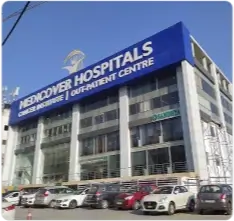
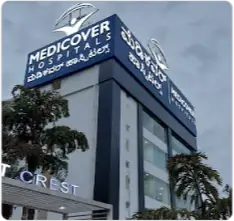
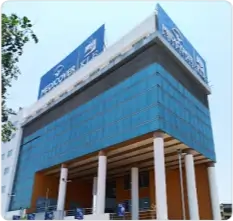
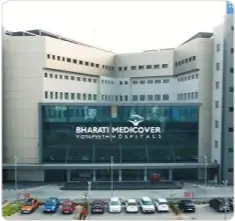
Our Hospitals Near You
Popular Searches
Frequently Asked Questions
Multiple Hereditary Exostoses may present with painless bony growths, deformities, and joint pain. Patients often experience mobility issues and require monitoring for complications.
Management of Multiple Hereditary Exostoses focuses on monitoring bone growth and addressing symptoms, including pain management. Surgical removal of exostoses may be necessary if they cause discomfort or interfere with function.
Multiple Hereditary Exostoses may co-occur with bone growth disorders and joint issues. Surgical intervention may be necessary for symptomatic relief.
Management focuses on surgical removal of symptomatic exostoses and monitoring for any potential complications related to bone growth.


Feeling unwell?
Request a callback!
