 040 68334455
 WhatsApp
 Patient Portal
 Home Care
Best Cleidocranial Dysplasia Doctors in India

Dr R D Chakravarty

Dr Sanjay Prasad Hegde

Dr A Pratap Reddy

Dr Mekala Venkata Sudhakar
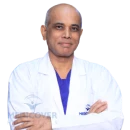
Dr Ravindra Puttaswamaiah

Dr Kottapalli Divakar Reddy (Financial District)

Dr Surya Prakash Rao V

Dr Sunil Apsingi

Dr Uday Krishna Myneni

Dr K Sasidhar Reddy
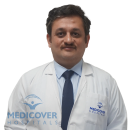
Dr Pramod Tukaram Bhor
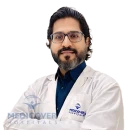
Dr Shrirang Kulkarni
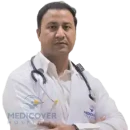
Dr Vivek Deshmukh

Dr Sridhar Gangavarapu

Dr Krishna Kiran
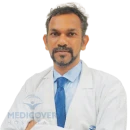
Dr Nikhil Bharambe
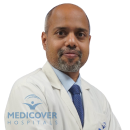
Dr Arvind J Vatkar

Dr Pravin Waghmare
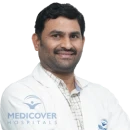
Dr Siva Prasad Annepu
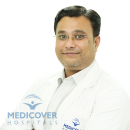
Dr Vinay Kandukuri

Dr Ponduru Sharat Ram
Dr B L S Kumar Babu
Dr Apurve Parameswaran

Dr Ganesh Kumar Reddy Mundla
Dr Rohan Bhiwgade
Dr Koteshwara Prasad Veeragandham

Dr Raghavendra Reddy Rachamallu
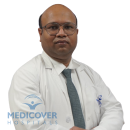
Dr Rahul Davari

Dr Mano Tej Dandupati
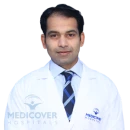
Dr Krishna Kumar M S
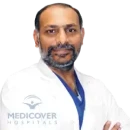
Dr Rathnakar Vinay Kishore
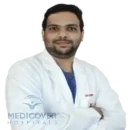
Dr R Suneel
Dr Punit Malpani
Dr Kamisetti Satish Kumar

Dr Saikiran Balagondi
Dr Jinagam M Praveen Kumar

Dr M C Vinod Kumar Reddy

Dr Varun Teja

Dr Anirudh Phani Bhargav Kanakagiri
Dr Rahul D Gagare
Dr Prathap Perugu

Dr Krishanu Dey

Dr Raveesh Ajmeera

Dr Sawan Kumar Pawar

Dr Vem Krishna Bhargava Reddy

Dr Praveen Sodavarapu
Dr Jayesh Sonaje
Dr Arun Kumar K

Dr Shrikant Jadhav

Dr Abhinandan Reddy Patlolla

Dr Ratna Karthik Reddy
Dr Sagar Kakatkar

Dr Rahul Ramchandra Supe

Dr C Manjunath
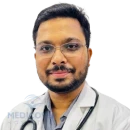
Dr Amit Surve
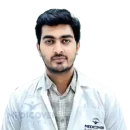
Dr Naveen Kumar Banda

Dr Lokesh Kumar Seethaka

Dr Kapil Pore
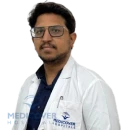
Dr Shashivardhan

Dr NVS Vinay
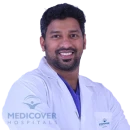
Dr S K Madhava Rao Nekkanti

Dr Gautham Chowhan

Dr Kishor Munde
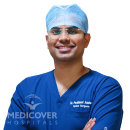
Dr Peddineni Anudeep
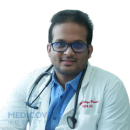
Dr Krishna Sravanth Pakanati
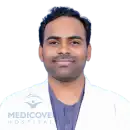
Dr Sudharsan Reddy Palle
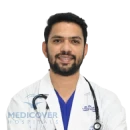
Dr Rakesh UN
Dr Kota Gandhi

Dr Chakilam Venugopal
Dr Ramakoteswara Rao K

Dr Ramachandra Theja V

Dr Rekulapalli Manideep Reddy

Dr Akash Anil More
Dr Krishna Bharat Anerao

Dr Nikhil Rahangdale
Importance of Cleidocranial Dysplasia Specialist in Treatment
Cleidocranial dysplasia is a rare genetic disorder that primarily affects the development of bones and teeth. It often results in delayed closure of the skull bones, absence of collarbones, and dental abnormalities. Early diagnosis is critical in managing the skeletal and dental issues associated with this disorder. Timely interventions, such as corrective dental treatments, physical therapy, and in some cases, orthopedic surgery, can significantly improve the patient's quality of life. By identifying the condition early, healthcare providers can implement strategies to address bone deformities and support normal development in children.
Why to Choose Cleidocranial Dysplasia Specialists at Medicover Hospitals in India
Medicover Hospital offers a multidisciplinary team approach to treating cleidocranial dysplasia, involving geneticists, orthopedic surgeons , and dental specialists. Treatment options include bone surgeries to correct deformities, advanced dental procedures to manage abnormal tooth development, and physical therapy to improve mobility and posture. Regular follow-up care ensures comprehensive management of this condition, with specialists coordinating efforts to optimize patient outcomes.

Why Choose Our Doctors?
- Our doctors are experts in their fields and have years of experience.
- We provide top-tier medical infrastructure and technology.
- Easy booking options for both virtual and in-person consultations.
- Insurance & Cashless Payment Support
- Emergency & 24/7 Care
- Compassionate & Patient-Centered Approach
- Multi-Disciplinary Expertise (Collaboration between specialists ensures comprehensive treatment plans).
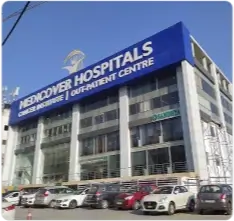
Our Hospitals Near You
Popular Searches
Frequently Asked Questions
Early signs of Cleidocranial Dysplasia include delayed closure of fontanelles, dental abnormalities like supernumerary teeth, and underdeveloped or absent collarbones. These symptoms may vary in severity.
Patients can manage Cleidocranial Dysplasia more effectively by seeking regular dental care, undergoing orthopedic evaluations for skeletal issues, engaging in physical therapy for mobility, and receiving genetic counseling for informed family planning.
Common co-existing conditions with Cleidocranial Dysplasia include delayed closure of fontanelles, dental issues like supernumerary teeth, and skeletal abnormalities affecting the collarbone and skull. These conditions may require specialized care.
Standard treatment options for cleidocranial dysplasia include dental care to manage tooth abnormalities, surgery to correct skeletal issues, and physical therapy to improve mobility. Regular monitoring and a multidisciplinary approach are essential for managing symptoms and improving quality of life.


Feeling unwell?
Request a callback!
