 Call
Call Patient Reports
- Cardiology 84
- Dermatology 45
- Endocrinology 33
- ENT 16
- Fertility 190
- Gastroenterology 78
- General-Medicine 81
- Gynecology 80
- Hematology 19
- Infectious-Diseases 33
- Neurology 52
- Oncology 34
- Ophthalmology 23
- Orthopedics 69
- Pediatrics 31
- Procedure 23
- Public-Health 144
- Pulmonology 59
- Radiology 8
- Urology 68
- Wellness 161
- Woman-and-child 77
- 3759
- 3.5 Minute
Written by Medicover Team and Medically Reviewed by Dr. C. Sharath Babu, Prosthodontist and Implantologist
World Oral Health Day 2026: Theme, History, and Oral Hygiene Tips
World Oral Health Day is observed every year on March 20 to promote good oral hygiene worldwide. The campaign highlights the importance of maintaining healthy teeth and gums throughout life. Poor oral health can affect overall well-being and lead to serious health problems.
Many oral diseases, including tooth decay and gum disease, are largely preventable. World Oral Health Day 2026 aims to raise awareness about simple habits that support better oral health.
What is Oral Health?
Oral health is a lifelong journey of healthy teeth and gums. Enjoy the journey towards a brighter smile. A healthy smile not only reflects good oral hygiene, but it can also boost self-esteem, confidence, and social engagement.
Unfortunately, many individuals have poor oral health due to a lack of access to preventive dental care, insufficient oral hygiene education, and unhealthy habits.
Healthcare organizations also use this day to educate people about prevention and early treatment. Through awareness and better habits, World Oral Health Day helps improve oral health outcomes worldwide.
Theme of World Oral Health Day 2026
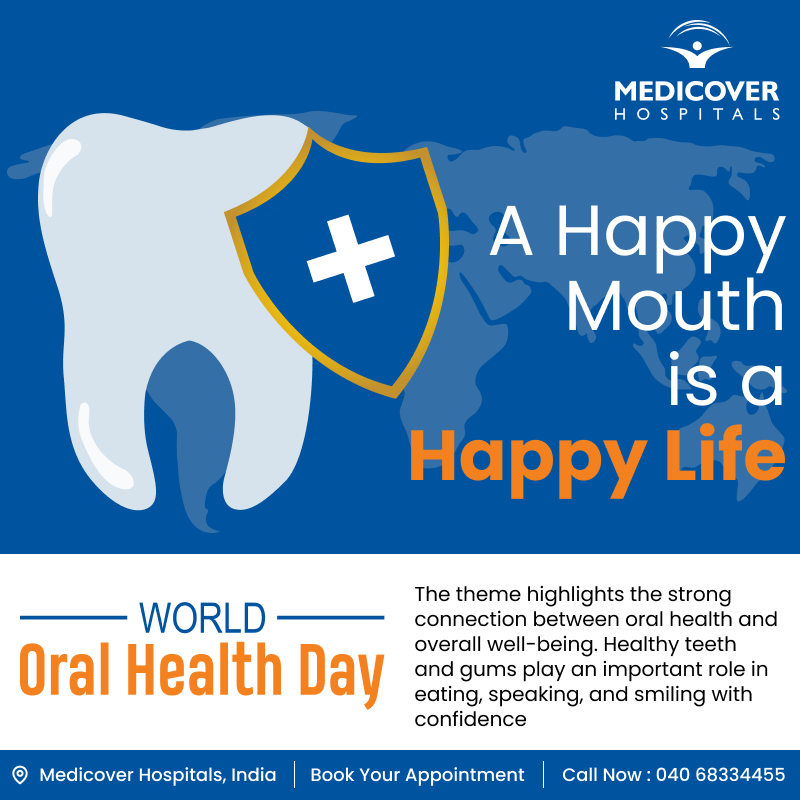
The theme of World Oral Health Day (WOHD) 2026 is "A Happy Mouth is a Happy Life".
The theme highlights the strong connection between oral health and overall well-being. Healthy teeth and gums play an important role in eating, speaking, and smiling with confidence.
Poor oral health can affect daily life and may lead to other health problems. The campaign encourages people to adopt good oral hygiene habits from an early age. Regular brushing, flossing, and dental check-ups help maintain a healthy mouth.
World Oral Health Day 2026 also promotes awareness of how to prevent common oral diseases. The message reminds people that maintaining oral health supports a happier and healthier life.
History of World Oral Health Day
The history of World Oral Health Day dates back to 2007. It was launched by the FDI World Dental Federation to raise global awareness about oral health. Initially, the event was observed on September 12 each year.
Later, the date was changed to March 20 to encourage wider global participation. Since then, World Oral Health Day has grown into a worldwide awareness campaign. Dental professionals, health organizations, and communities take part in educational activities. The day promotes a better understanding of oral diseases and their prevention.
Significance of World Oral Health Day
World Oral Health Day highlights the importance of maintaining good oral hygiene throughout life. Oral health is closely connected to overall health and quality of life. Problems like tooth decay and gum disease can affect eating, speaking, and confidence.
The day encourages people to adopt healthy habits such as regular brushing and dental check-ups. It also raises awareness about preventing common oral diseases.
Health campaigns and educational programs are organized worldwide to promote better oral care. The observance reminds people that good oral health supports overall well-being.
Get a second opinion from trusted experts and makeconfident, informed decisions.
Get Second OpinionNot sure where to start?
Talk to a patient care advisor — free, confidential, 24/7. We'll match you to the right specialist and book your appointment in minutes.
Why is Maintaining Oral Hygiene Important?
Maintaining oral hygiene is crucial for several reasons, including:
Tooth decay
- Dental caries, also known as dental caries or cavities, is a prevalent dental disease.
- It is characterized by the breakdown of the outer layer of the tooth (enamel), resulting in sensitivity to hot and cold food and beverages, as well as severe pain.
- Dental caries can occur when plaque, a sticky layer of bacteria on the surface of teeth, and debris are not properly removed.
- Reduced saliva flow can also contribute to the development of caries by decreasing the ability to wash away food particles and neutralize acids produced by bacteria in the mouth.
Gum Infection
- This condition is often caused by inadequate brushing and flossing habits, leading to plaque formation on the tooth's surface.
- Over time, this plaque can harden and turn into tartar, which is difficult to remove without professional dental care.
- Both plaque and tartar can damage the gum tissues and the underlying bone, resulting in periodontitis.
The Link Between Oral Health and Overall Health
Many are unaware that oral health and general health are linked to each other. Let us discuss how they affect each other:
Diabetes
- Diabetic people have a high risk of periodontal (gum) disease.
- Diabetes can delay the healing process and interfere with gum disease treatment.
- It may cause dry mouth and a fungal infection called thrush, resulting in sore white spots in the mouth.
- Therefore, it is important for people with diabetes to maintain good oral hygiene.
Heart Disease
- Millions of microorganisms are present in the oral cavity, but their number drastically decreases after daily dental hygiene practices.
- Poor oral hygiene, on the other hand, creates an environment that can allow several dangerous bacteria to grow.
- These bacteria can enter the bloodstream and cause infective endocarditis.
Pregnancy Complications
- Many pregnant women suffer from gingivitis that may be worsened by the changes in hormones during pregnancy.
- If untreated, it can raise the risk of premature birth and low birth weight.
Oral Hygiene Practices for Strong Teeth and Gums
To ensure a clean and healthy oral cavity, some routine procedures should be followed:
-
Regular oral hygiene practice:
- Brushing: Use a soft or ultra-soft bristled toothbrush to brush teeth twice daily, once in the morning and once before World Oral Health Day 2023. Interproximal brushes can clean spaces between teeth that a regular toothbrush can't reach, helping eliminate plaque.
- Flossing: Floss, a wax-coated thread, is commonly used to remove plaque and debris stuck between teeth surfaces, dental fillings, and braces. Consistent flossing can minimize gingival bleeding and reduce the risk of cavities.
- Tongue cleaning: To maintain a clean mouth and prevent bad breath, clean the tongue regularly. This can be done using metal or plastic scrapers or the non-bristle end of a toothbrush. Regular tongue cleaning is crucial for oral hygiene.
- Mouthwash: Mouthwashes supplement other oral hygiene practices and should be diluted with water before use. To prevent tooth staining, use mouthwash for 21 consecutive days, then take a two-week break.
- Frequent dental check-ups: Regular dental check-ups every six months are crucial for maintaining a healthy oral cavity. If experiencing pain, bleeding gums, swelling, non-healing ulcers, or any changes in mouth color or texture, seek dental attention promptly. These symptoms may indicate serious conditions requiring professional evaluation.
- Consuming a nutritious diet: Avoid sugary and processed foods like sweets and chocolates, as they promote acid growth, which can damage enamel. Consume a high-fiber diet found in leafy vegetables, whole fruits, and whole grains to boost saliva production and prevent food accumulation on teeth surfaces.
- Quitting unhealthy habits: All tobacco (smoked and smokeless) and areca nut chewing should be avoided. Cigarette smoking can reduce saliva secretion and raise the risk of getting lung cancer, whereas chewing tobacco and areca nuts can induce mouth cancer. Individuals should limit their alcohol consumption to ensure normal saliva flow in the mouth.
Your health is everything - prioritize your well-being today.
Schedule Your AppointmentWays to Get Involved This World Oral Health Day
Getting involved in World Oral Health Day is a great way to promote better oral hygiene and raise awareness in your community.
- Schedule a dental check-up to assess your oral health status.
- Practice proper oral hygiene by brushing twice daily and flossing regularly.
- Educate family members and children about the importance of oral care.
- Share awareness messages and oral health tips on social media platforms.
- Participate in community dental camps or awareness programs.
- Reduce sugar intake and follow a balanced diet for healthier teeth and gums.
- Replace your toothbrush if it is worn out or older than three months.
- Encourage schools and workplaces to organize oral health awareness activities.
- Stay informed about common oral diseases and their prevention methods.
- Support initiatives that promote better access to dental care services.
Common Myths and Facts About Oral Hygiene
Understanding the truth about oral care can help prevent dental problems. World Oral Health Day highlights the importance of spreading accurate oral health information.
Myth 1: Brushing harder cleans teeth better
Fact: Brushing too hard can damage gums and enamel. Gentle brushing with proper technique is more effective.
Myth 2: If teeth don't hurt, they are healthy
Fact: Many dental issues develop without pain. Regular dental check-ups help detect problems early.
Myth 3: Sugar is the only cause of cavities
Fact: Poor oral hygiene, frequent snacking, and bacteria also contribute to tooth decay.
Myth 4: Mouthwash can replace brushing
Fact: Mouthwash helps freshen breath, but cannot remove plaque like brushing and flossing.
Myth 5: Baby teeth don't need proper care
Fact: Healthy baby teeth are important for speech, chewing, and proper alignment of permanent teeth.
Myth 6: Chewing gum can replace brushing
Fact: Sugar-free gum may help saliva production, but brushing and flossing remain essential for oral hygiene.
Conclusion
We can help prevent dental issues and maintain healthy, beautiful smiles for years by implementing excellent oral hygiene routines, such as brushing and flossing, avoiding sugary or acidic meals and beverages, and scheduling frequent dental check-ups. Take care of your smile by maintaining good oral hygiene practices!
Frequently Asked Questions
The World Oral Health Day 2026 theme is A Happy Mouth is a Happy Life. It highlights how good oral health supports confidence, well-being, and overall quality of life.
World Oral Health Day is observed to raise awareness about oral hygiene, prevent dental diseases, and encourage healthy habits like regular brushing and dental check-ups.
World Oral Health Day highlights the link between oral health and overall health. It promotes prevention, early care, and education to reduce common dental problems.
World Oral Health Day Activities include dental camps, school awareness programs, free check-ups, social media campaigns, and community events promoting oral hygiene practices.
World Oral Health Day was launched in 2007 by the FDI World Dental Federation to improve global awareness about oral health.
Good oral health helps in eating, speaking, and smiling confidently. It also reduces the risk of infections and supports overall physical well-being.
People can attend dental screenings, share awareness messages, educate children about oral care, and adopt better daily hygiene habits.
Brush twice daily, floss regularly, limit sugary foods, drink water, and visit the dentist routinely to prevent cavities and gum disease.
Health organizations run awareness campaigns, school programs, and community dental services to improve access to preventive oral care worldwide.
Dentists generally recommend a check-up every six months. Regular visits help detect early signs of dental problems and maintain oral hygiene.
Children should brush twice daily, avoid excess sweets, drink enough water, and visit a dentist regularly for healthy teeth development.
Smoking increases the risk of gum disease, tooth loss, bad breath, and oral cancer. It also slows healing and affects overall dental health.
- Cardiology
- Case Studies
- Dermatology
- Endocrinology
- ENT
- Fertility
- Gastroenterology
- General
- General-Medicine
- Gynecology
- Hematology
- Infectious-Diseases
- Medical News
- Neurology
- Oncology
- Ophthalmology
- Orthopedics
- Pediatrics
- Procedure
- Public-Health
- Pulmonology
- Radiology
- Second Opinion
- Urology
- Wellness
- Woman-and-child
Related Blogs
Still have questions? Speak with our experts now!
040-68334455


