 Call
Call Patient Reports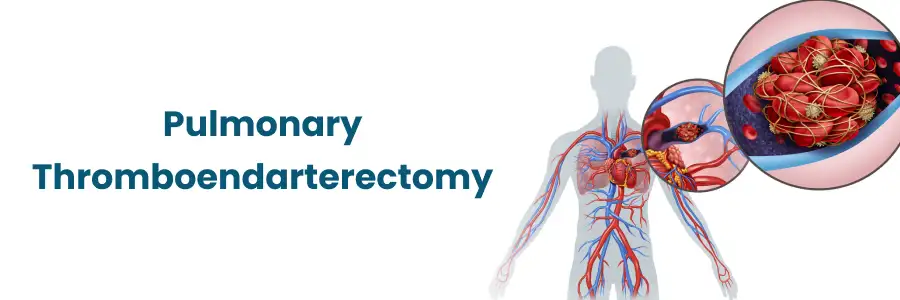
- 3759
- 3.5 Minute
Pulmonary Thromboendarterectomy: Procedure & Recovery
Are you or a loved one facing the challenges of pulmonary thromboendarterectomy surgery? The impact of pulmonary hypertension on your daily activities can be overwhelming. Simple tasks like climbing stairs or even walking short distances may leave you breathless and fatigued. Understanding the process of pulmonary thromboendarterectomy can help alleviate some of the anxiety surrounding this procedure.
Pulmonary Thromboendarterectomy Procedure
During a pulmonary thromboendarterectomy, surgeons remove chronic blood clots from the arteries in the lungs, specifically the pulmonary arteries. This procedure is the gold standard for treating chronic thromboembolic pulmonary hypertension (CTEPH), a rare but serious condition where blood clots block the arteries in the lungs, causing high blood pressure in the pulmonary arteries.
The surgery involves placing the patient on a heart-lung bypass machine to support circulation while the surgeon carefully removes the obstructing clots from the pulmonary arteries. This intricate procedure requires a highly skilled surgical team with expertise in pulmonary artery surgery.
Indications for Thromboendarterectomy
Thromboendarterectomy surgery is typically recommended for patients diagnosed with CTEPH who have not responded to medical therapy. Your healthcare provider may suggest this procedure if you experience symptoms such as shortness of breath, chest pain, fatigue, or fainting spells, despite optimal medical management.
Diagnostic tests, including echocardiograms, ventilation-perfusion scans, and right heart catheterization, help confirm the presence of CTEPH and determine if you are a suitable candidate for pulmonary thromboendarterectomy.
Recovery After Thromboendarterectomy
The recovery period following a pulmonary thromboendarterectomy can vary from patient to patient. While in the hospital, you will be closely monitored in the intensive care unit to ensure stability. Gradually, as you regain strength, physical therapy may be initiated to help you resume normal activities.
- It is common to experience some pain and discomfort at the incision site.
- Your healthcare team will provide guidance on pain management and incision care.
- Follow-up appointments will be scheduled to monitor your progress and adjust medications as needed.
Diagnosing Pulmonary Hypertension
Diagnosing pulmonary hypertension, especially CTEPH, involves a series of tests to assess the function of the heart and lungs. These may include:
- Echocardiogram: To visualize the heart's structure and function.
- CT Pulmonary Angiography: To identify blood clots in the pulmonary arteries.
- Pulmonary Function Tests: To evaluate lung function and capacity.
Early diagnosis of pulmonary hypertension is crucial for timely intervention and management of the condition.
Risks of Thromboendarterectomy Surgery
While pulmonary thromboendarterectomy is a highly effective treatment for CTEPH, like any surgery, it carries some risks. Potential complications may include:
- Bleeding
- Infection
- Respiratory issues
- Heart rhythm abnormalities
Your healthcare team will discuss these risks with you and take measures to minimize them during the surgical process.
Postoperative Care for Thromboendarterectomy
After discharge, it is essential to follow your healthcare provider's instructions for postoperative care diligently. This may include:
- Taking prescribed medications as directed
- Attending follow-up appointments for monitoring
- Engaging in cardiac rehabilitation programs if recommended
- Notifying your doctor of any concerning symptoms or issues
Adhering to your postoperative care plan is crucial for a smooth recovery and long-term success after pulmonary thromboendarterectomy.
Conclusion
Pulmonary thromboendarterectomy is a specialized procedure aimed at improving the quality of life for individuals with chronic thromboembolic pulmonary hypertension. By understanding the process, indications, recovery, diagnostic methods, risks, and postoperative care associated with thromboendarterectomy, patients can approach this surgery with greater confidence and knowledge, leading to better outcomes and enhanced well-being.
Frequently Asked Questions
Pulmonary thromboendarterectomy is a surgery to remove blood clots from the pulmonary arteries. It is needed for severe pulmonary hypertension when other treatments fail.
Pulmonary thromboendarterectomy surgically removes clots from the lungs, treating chronic thromboembolic pulmonary hypertension.
The risks and benefits of pulmonary thromboendarterectomy include potential complications but can greatly improve lung function and quality of life.
Pulmonary thromboendarterectomy involves surgical removal of blood clots from the arteries in the lungs.
Recovery after pulmonary thromboendarterectomy involves gradual improvement in symptoms and physical activity over several weeks.
Yes, pulmonary thromboendarterectomy can cure pulmonary hypertension by removing clots from the lung arteries.
- Cardiology
- Case Studies
- Dermatology
- Endocrinology
- ENT
- Fertility
- Gastroenterology
- General
- General-Medicine
- Gynecology
- Hematology
- Infectious-Diseases
- Medical News
- Neurology
- Oncology
- Ophthalmology
- Orthopedics
- Pediatrics
- Procedure
- Public-Health
- Pulmonology
- Radiology
- Second Opinion
- Urology
- Wellness
- Woman-and-child
Related Blogs
Still have questions? Speak with our experts now!
040-68334455


