 Call
Call Patient Reports
- Cardiology 84
- Dermatology 45
- Endocrinology 33
- ENT 16
- Fertility 190
- Gastroenterology 78
- General-Medicine 81
- Gynecology 80
- Hematology 19
- Infectious-Diseases 33
- Neurology 52
- Oncology 34
- Ophthalmology 23
- Orthopedics 69
- Pediatrics 31
- Procedure 23
- Public-Health 144
- Pulmonology 59
- Radiology 8
- Urology 68
- Wellness 161
- Woman-and-child 77
- 3915
- 3.8 Minute
Overview Of Pancreatic Cancer
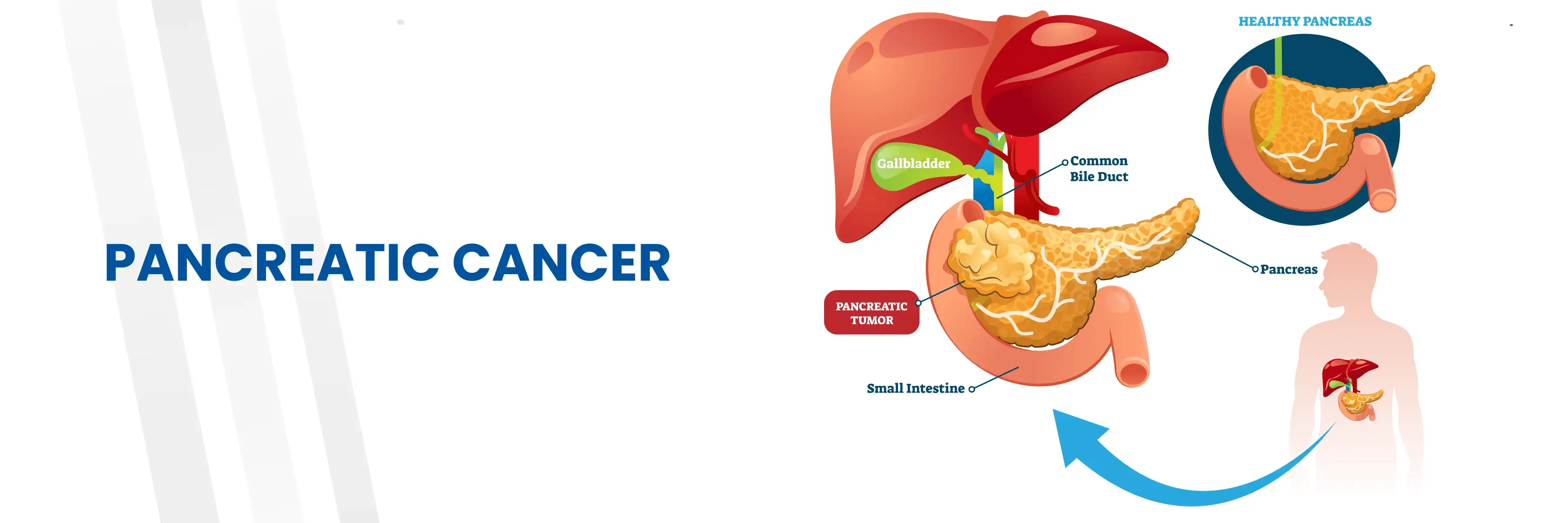
Pancreatic cancer is a severe and often silent disease that has gained more attention in recent times. Understanding the risk factors associated with this disease is critical for early detection and treatment.
- Purple Ribbon: Symbolizes awareness and advocacy in the fight against pancreatic cancer.
- Pancreas: A gland behind the stomach that affects digestion and blood sugar regulation.
- Early Sign: Often non-specific, leading to late diagnosis.
- Advanced Stage: Due to deep location and vague early symptoms, treatment is challenging when diagnosed late.
Get a second opinion from trusted experts and makeconfident, informed decisions.
Get Second OpinionNot sure where to start?
Talk to a patient care advisor — free, confidential, 24/7. We'll match you to the right specialist and book your appointment in minutes.
Symptoms and Early Detection
Early detection of pancreatic cancer is challenging because symptoms are usually vague and can be easily attributed to less severe conditions. Some common symptoms include:
- Abdominal pain radiating to the back
- Unexplained weight loss
- Jaundice
- New-onset diabetes
- Changes or bleeding in stool
Consult a healthcare professional if you experience any persistent symptoms.
Age:
The risk of developing pancreatic cancer increases with age. Most people diagnosed with the disease are over the age of 65.
Understanding the Factors/Reasons Of Pancreatic Cancer
Smoking
Tobacco use is one of the most significant risk factors for pancreatic cancer, accounting for about 20% to 30% of cases. Quitting smoking can reduce the risk over time.
Obesity and Diet
Obesity and a diet high in red and processed meats have been associated with a higher risk of pancreatic cancer. Conversely, a diet rich in fruits, vegetables, and whole grains may help reduce the risk.
Alcohol Consumption
Heavy alcohol consumption may increase the risk of pancreatic cancer, particularly in individuals with chronic pancreatitis.
Medical Conditions
Certain medical conditions may also increase the risk of pancreatic cancer:
Diabetes
Long-standing diabetes increases the risk of pancreatic cancer. However, it can also be a symptom of the disease.
Chronic Pancreatitis
Chronic inflammation of the pancreas, often due to heavy alcohol use, increases the risk of developing pancreatic cancer.
Liver Cirrhosis
Liver cirrhosis, often caused by alcohol abuse or viral hepatitis, can increase the risk of pancreatic cancer. Prevention and Early Intervention.
Steps you can take to reduce your risk:
Lifestyle Factors
Several lifestyle factors have been linked to an increased risk of pancreatic cancer:
Adopting a healthy lifestyle can help lower the risk of pancreatic cancer. This includes maintaining:
- A healthy weight
- Eating a balanced diet
- Exercising regularly
- Avoiding tobacco and excessive alcohol consumption
Regular Medical Checkups
Regular checkups can help detect changes in your health, including signs of pancreatic cancer or conditions that may increase your risk.
Genetic Counseling and Testing
If you have a strong family history of pancreatic cancer or related cancers, genetic counseling and testing may be recommended to determine your risk and discuss surveillance options.
The Role of Awareness: Pancreatic Cancer Ribbon
The pancreatic cancer ribbon is a symbol of hope and solidarity for those affected by the disease. It reminds us of the importance of awareness, research funding, and support for patients and their families. Advocacy and awareness campaigns often use the ribbon to draw attention to the need for early detection and better treatment options.
Conclusion
Pancreatic cancer remains one of the most challenging cancers to diagnose and treat. Understanding the risk factors associated with the disease is an essential step in early detection and potentially improving outcomes. Here are some key points to remember:
- Make informed lifestyle choices
- Stay vigilant for symptoms
- Seek regular medical advice
- The pancreatic cancer ribbon symbolizes the fight against the disease
- Aim for early detection and effective treatment
- Raise awareness and support research efforts
Your health is everything - prioritize your well-being today.
Schedule Your AppointmentFrequently Asked Questions
Common risk factors for pancreatic cancer include smoking, chronic pancreatitis, diabetes, family history of pancreatic cancer, and certain genetic mutations. Obesity and a diet high in red and processed meats may also increase the risk.
Early symptoms of pancreatic cancer often include mild abdominal discomfort, bloating, loss of appetite, and unexplained weight loss. These symptoms are subtle and can easily be overlooked.
Treatment options for pancreatic cancer include surgery, chemotherapy, radiation therapy, and targeted therapies. The choice of treatment depends on the stage and location of the cancer.
Potential side effects of pancreatic cancer treatment can include fatigue, nausea, vomiting, loss of appetite, and weight loss. Specific treatments may also cause hair loss, skin changes, and increased susceptibility to infections.
Lifestyle changes to lower the risk of pancreatic cancer include quitting smoking, maintaining a healthy weight, eating a balanced diet rich in fruits and vegetables, and reducing red and processed meat intake. Regular exercise and managing diabetes effectively are also beneficial.
- Cardiology
- Case Studies
- Dermatology
- Endocrinology
- ENT
- Fertility
- Gastroenterology
- General
- General-Medicine
- Gynecology
- Hematology
- Infectious-Diseases
- Medical News
- Neurology
- Oncology
- Ophthalmology
- Orthopedics
- Pediatrics
- Procedure
- Public-Health
- Pulmonology
- Radiology
- Second Opinion
- Urology
- Wellness
- Woman-and-child
Related Blogs
Still have questions? Speak with our experts now!
040-68334455


