 Call
Call Patient Reports
- Cardiology 84
- Dermatology 45
- Endocrinology 33
- ENT 16
- Fertility 190
- Gastroenterology 78
- General-Medicine 81
- Gynecology 80
- Hematology 19
- Infectious-Diseases 33
- Neurology 52
- Oncology 34
- Ophthalmology 23
- Orthopedics 69
- Pediatrics 31
- Procedure 23
- Public-Health 144
- Pulmonology 59
- Radiology 8
- Urology 68
- Wellness 161
- Woman-and-child 77
- 3954
- 3.4 Minute
Keto Diet Plan for Weight Loss
Losing weight is a common trend today!
Many people choose to lose weight with various goals, and this trend has abruptly increased the popularity of several diets and exercises geared toward weight loss.
The "keto" or "ketogenic" diet plan in India is becoming popular in India right now. The keto diet has high fat, low carb, and moderate protein isolate.
Let's understand about the Ketogenic Diet!
- A ketogenic diet drives the body into ketosis, a metabolic state when fats are used as the body's main fuel source rather than carbs.
- This is accomplished by converting the body's lipids into ketones, which give the brain energy.
- This type of diet has generated a lot of buzz since it helps with weight loss by improving the body and mind's ability to burn fat rather than carbohydrates.
Get a second opinion from trusted experts and makeconfident, informed decisions.
Get Second OpinionNot sure where to start?
Talk to a patient care advisor — free, confidential, 24/7. We'll match you to the right specialist and book your appointment in minutes.
What is the Keto Diet for Weight Loss?
- The ketogenic diet is a low-carb, high-fat diet similar to the Atkins and low-carb diets in many ways.
- It includes substantially lowering carbohydrate consumption and replacing it with fat.
- This causes the body to become extremely efficient at burning fat for energy.
- The ketogenic diet significantly quickly reduces weight and reduces blood sugar and insulin levels, and this, along with higher ketones, has some health advantages.
Is Keto Diet Good for Weight Loss?
- A ketogenic diet is a great and effective way that can help you lose weight by increasing metabolism, reducing appetite and giving more satiety.
- The diet also helps in lowering disease risk factors. The keto diet is significantly superior to low-fat diets for long-term weight reduction.
- It was also found that individuals who followed a ketogenic weight loss diet lost 1 kg or more on average more weight than those who followed a low-fat diet.
What to Eat and What to Avoid on the Keto Diet?
Following are some foods that can be added to the plate and those that should be skipped:
Foods to eat
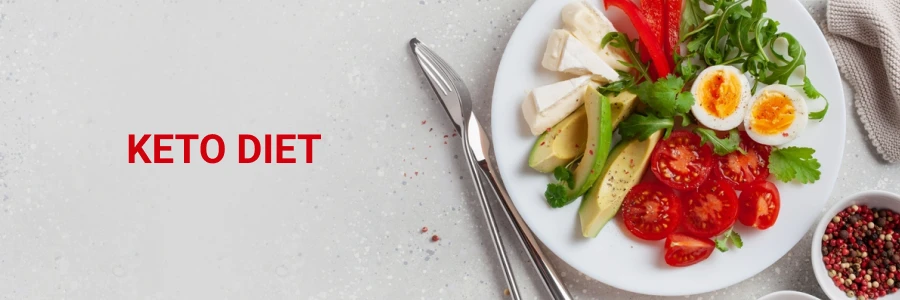
Here is the keto weight loss diet food list:
- Meat
- Fatty fish
- Eggs
- Butter and cream
- Seeds and nuts
- Unprocessed cheeses
- Healthy oils like extra virgin olive and avocado oil
- Avocados
- Low-carb vegetables such as onions, green veggies, peppers, tomatoes, etc.
- Condiments like herbs, salt, pepper, and other spices
Foods to avoid
Carbohydrate-rich foods should be avoided. On a ketogenic diet, the following items must be restricted or eliminated:
- Sugary foods
- Grains or starches
- Beans or legumes such as lentils, peas, chickpeas, kidney beans, etc.
- Root vegetables such as parsnips, potatoes, carrots, sweet potatoes, etc.
- Some condiments or sauces such as barbecue sauce, ketchup, honey mustard, teriyaki sauce, etc.
- Unhealthy fats like mayonnaise, processed vegetable oils, etc.
- Alcohol
Other Health Benefits of the Keto Diet
Not only can the ketogenic diet help with weight loss, but it is also proven to provide health advantages against diabetes, cancer, epilepsy in kids, and Alzheimer's disease. The diet is particularly beneficial for treating type 2 diabetes and decreasing extra body fat without hunger. Here are some listed health benefits of the keto diet:
- Helps in diabetes management
- Improves epilepsy management
- Prevents heart diseases
- Lowers the risk of brain-related conditions
Are there any Risks Associated with following the Keto Diet?
Even though people can get significant benefits because of the keto diet, its long-term consequences include:
- Hypoproteinemia (low levels of protein in the blood)
- Hepatic steatosis (accumulation of excess fat in liver)
- Risk of kidney stones
- Low-levels of important vitamins and minerals
Patients with diabetes, especially those eligible for SGLT2 inhibitors to treat type 2 DM. These drugs may increase the risk of diabetic ketoacidosis, a potentially fatal condition with an elevated blood acid level. This medication is not suitable if you are doing keto.
More research is in progress to learn about the safety with a long-term ketogenic diet. Make sure you keep your doctor updated on how much and what types of foods you are eating so he or she can lead you in the right direction to maintain a healthy lifestyle.
Keto Diet Tips & Tricks
Here are some helpful keto tips and tricks to optimize your experience on the ketogenic diet:
- Track Your Macros: Ensure you're consuming the right ratio of fats, proteins, and carbs. Typically, keto aims for about 70% fats, 25% protein, and 5% carbs.
- Stay Hydrated: Drink plenty of water throughout the day. The keto diet can lead to water loss, so maintaining hydration is crucial to avoid fatigue and cramps.
- Include Healthy Fats: Opt for healthy fats like olive oil, avocados, coconut oil, and fatty fish. These will help you stay in ketosis and feel full longer.
- Plan Your Meals: Prepare your meals ahead of time to avoid reaching for carb-heavy foods when you're hungry. Planning helps stay on track.
- Incorporate Fiber: Since many high-fiber foods (like fruits and whole grains) are limited, include low-carb fiber sources such as chia seeds, flaxseeds, and leafy greens.
- Be Mindful of Hidden Carbs: Many processed foods contain hidden sugars or carbs. Always check food labels, especially sauces, dressings, and snacks.
- Electrolytes Are Key: To avoid keto flu symptoms (headaches, fatigue), ensure you're getting enough electrolytes, including potassium, magnesium, and sodium.
- Start Slow: If you're new to keto, ease into it gradually to avoid shocking your system. Transitioning slowly helps reduce side effects like the keto flu.
- Enjoy Keto Snacks: Keep keto-friendly snacks like nuts, cheese, or hard-boiled eggs on hand to curb cravings and stay satisfied between meals.
- Track Your Ketone Levels: For better results, consider measuring your ketone levels using strips or a ketone meter to make sure you're staying in ketosis.
Conclusion
- Do not begin a ketogenic diet simply because someone you know lost weight effectively or because everyone is talking about it. There is no one-size-fits-all eating plan for losing weight. There are several approaches to losing weight.
- Finding the perfect plan, the right eating plan that you can stick to is the key to success. Moreover, as people have different blood sugar sensitivities to the same meals, no single diet plan can be the solution for everyone.
- Talk with a trained dietitian before embarking on a keto diet plan to determine which plan is best for your health goals. Book an appointment with Our Expert Dietician!
Your health is everything - prioritize your well-being today.
Schedule Your AppointmentCitations
Ketogenic diets for weight loss: A review of their principles, safety and efficacyFrequently Asked Questions
The keto diet reduces carbs and increases fats, shifting the body into ketosis where it burns stored fat for energy, leading to weight loss.
The keto diet may improve insulin sensitivity, lower blood sugar levels, and reduce inflammation, offering various health benefits beyond weight loss.
The keto diet may not be suitable for everyone, especially those with certain medical conditions or dietary restrictions. Always consult a doctor before starting.
On a keto diet, eat meats, fish, eggs, cheese, nuts, seeds, avocados, and healthy oils like olive oil, all of which are low in carbs and high in fats.
Exercise complements the keto diet by enhancing weight loss and improving overall health. Combining both leads to better results.
Fruits are generally higher in carbs, so they’re limited on the keto diet. Small portions of berries like strawberries and blueberries can be included in moderation.
Results vary, but some people may notice weight loss and other benefits within a few weeks, depending on individual metabolism and adherence to the diet.
- Cardiology
- Case Studies
- Dermatology
- Endocrinology
- ENT
- Fertility
- Gastroenterology
- General
- General-Medicine
- Gynecology
- Hematology
- Infectious-Diseases
- Medical News
- Neurology
- Oncology
- Ophthalmology
- Orthopedics
- Pediatrics
- Procedure
- Public-Health
- Pulmonology
- Radiology
- Second Opinion
- Urology
- Wellness
- Woman-and-child
Related Blogs
Still have questions? Speak with our experts now!
040-68334455


