 Call
Call Patient Reports
Find Doctors
Liver transplantation is a surgical procedure in which a diseased or failing liver is removed and replaced with a healthy liver from a donor. This surgery is recommended when the liver can no longer perform its vital functions and medical treatment is no longer effective.
The liver plays a crucial role in digestion, detoxification, immunity, and metabolism. When it fails due to chronic disease, acute liver failure, or inherited conditions, transplantation becomes the only life-saving option.
Liver transplants in India are performed in highly specialized centers with multidisciplinary teams comprising hepatologists, transplant surgeons, anesthesiologists, intensivists, and transplant coordinators. Every step is carefully planned to ensure safety and long-term success.
What Is the Liver Transplant Cost in India?
The liver transplant cost in India typically ranges from ₹18 lakhs to ₹30 lakhs, depending on various medical and hospital-related factors. This cost can be lower or higher depending on the type of transplant, the patient's condition, the complexity of the surgery, the length of hospital stay, and post-transplant care requirements.
Compared to many developed countries, the cost of liver transplant surgery in India is significantly more affordable while maintaining high medical standards. Advanced surgical infrastructure, experienced transplant teams, and comprehensive post-operative care allow patients to receive world-class treatment at a fraction of international costs.
It is important to understand that the approximate cost of a liver transplant in India is not a single fixed amount. Instead, it is a composite estimate that includes surgery, intensive care, medications, investigations, and long-term follow-up.
Types of Liver Transplant
Living Donor Liver Transplant (LDLT)
In this method, a healthy individual donates a portion of their liver. The donor's liver regenerates over time, and similarly, the transplanted portion also grows in the recipient. Due to the availability of donors and the possibility of performing the surgery on time, this type of liver transplant is quite common in India.
Deceased Donor Liver Transplant (DDLT)
The liver is taken from a brain-dead donor after obtaining consent. The entire liver is transplanted into the recipient. Availability depends on organ donation programs and waiting lists.
Split Liver Transplantation
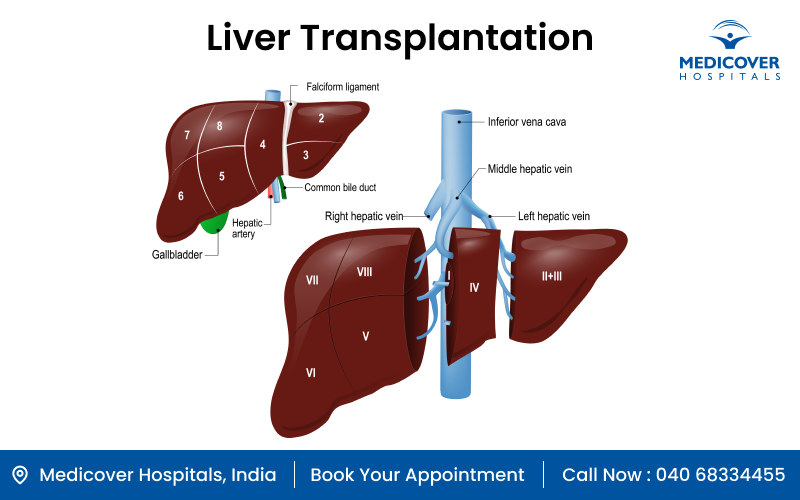
A single donor liver is divided and transplanted into two recipients, often an adult and a child. This technique helps to increase organ utilization but requires advanced surgical expertise.
Common Surgical Techniques for Liver Transplantation
Liver transplantation is not a single standardized operation. The surgical technique depends on anatomy, disease severity, and prior surgeries.
- In orthotopic liver transplantation, the diseased liver is replaced with a donor liver in the same anatomical position.
- The piggyback technique preserves the recipient's vena cava, reducing blood loss and improving hemodynamic stability.
- The modified piggyback technique is a variation that allows for improved venous flow and flexibility during surgery.
- In the split liver technique, the donor liver is divided between two recipients for transplantation.
Each surgical technique for liver transplantation affects the duration of surgery, complexity, and overall cost of the operation in India.
Get a second opinion from trusted experts and makeconfident, informed decisions.
Get Second OpinionNot sure where to start?
Talk to a patient care advisor — free, confidential, 24/7. We'll match you to the right specialist and book your appointment in minutes.
Current Scenario of Liver Transplants in India
India performs over 3,000 liver transplant surgeries annually. The number is steadily increasing due to improved awareness, better outcomes, and expanding transplant programs. Living donor transplants are more common, but deceased donor programs are also growing through state and national organ-sharing networks.
Success rates in India are comparable to international standards when the procedures are performed at experienced centers. Advances in immunosuppressive therapy and post-transplant monitoring have significantly improved long-term survival.
Who Needs a Liver Transplant?
A patient may need a liver transplant if they have:
- Chronic liver disease with complications such as ascites, jaundice, or variceal bleeding
- Acute liver failure not responding to medical treatment
- Liver cancer within transplant criteria
- Inherited metabolic liver disorders
- End-stage liver disease affects the quality and expectancy of lif
Eligibility is determined after a detailed evaluation, including blood tests, imaging, cardiac assessment, infection screening, and psychological evaluation.
Approximate Cost of Liver Transplant in India vs Abroad Countries
| Country | Approximate Cost (INR) | Approximate Cost (USD) |
|---|---|---|
| India | ₹18,00,000 - ₹30,00,000 | $21,700 - $36,100 |
| United States | ₹4,00,00,000 - ₹6,00,00,000 | $480,000 - $720,000 |
| United Kingdom | ₹3,00,00,000 - ₹4,50,00,000 | $361,000 - $542,000 |
| Australia | ₹2,80,00,000 - ₹4,00,00,000 | $337,000 - $480,000 |
| Dubai | ₹2,50,00,000 - ₹3,50,00,000 | $301,000 - $422,000 |
| Canada | ₹3,20,00,000 - ₹4,80,00,000 | $386,000 - $578,000 |
Cost of Liver Transplant in Indian Cities
| City | Approximate Cost (INR) | Approximate Cost (USD) |
|---|---|---|
| Hyderabad | ₹18,00,000 - ₹28,00,000 | $21,700 - $33,700 |
| Navi Mumbai | ₹20,00,000 - ₹30,00,000 | $24,100 - $36,100 |
| Mumbai | ₹22,00,000 - ₹35,00,000 | $26,500 - $42,200 |
| Bangalore | ₹20,00,000 - ₹32,00,000 | $24,100 - $38,600 |
| Visakhapatnam | ₹18,00,000 - ₹27,00,000 | $21,700 - $32,500 |
| Pune | ₹19,00,000 - ₹30,00,000 | $22,900 - $36,100 |
Cost Based on Type of Liver Transplant
| Type of Transplant | Approximate Cost (INR) | Approximate Cost (USD) |
|---|---|---|
| Living Donor Liver Transplant | ₹20,00,000 - ₹35,00,000 | $24,100 - $42,200 |
| Deceased Donor Liver Transplant | ₹18,00,000 - ₹28,00,000 | $21,700 - $33,700 |
| Split Liver Transplant | ₹22,00,000 - ₹40,00,000 | $26,500 - $48,200 |
Liver Transplant Cost Based on Surgical Technique
| Surgical Technique | Approximate Cost (INR) | Approximate Cost (USD) |
|---|---|---|
| Orthotopic Liver Transplantation | ₹18,00,000 - ₹30,00,000 | $21,700 - $36,100 |
| Piggyback Technique | ₹20,00,000 - ₹32,00,000 | $24,100 - $38,600 |
| Modified Piggyback Technique | ₹22,00,000 - ₹35,00,000 | $26,500 - $42,200 |
| Split Liver Transplantation | ₹22,00,000 - ₹40,00,000 | $26,500 - $48,200 |
Liver Transplant Cost Breakdown in India
The total liver transplant cost in India is not a single fixed figure. It is a combination of multiple medical, surgical, and post-surgical components. This breakdown helps patients and families plan better and avoid unexpected expenses.
Pre-Transplant Evaluation and Diagnostic Tests
Before a liver transplant, both the recipient and the donor (in the case of a living donor transplant) undergo extensive evaluations. These tests determine surgical suitability and minimize risks.
This includes blood tests, liver function tests, viral markers, imaging scans such as ultrasound, CT, and MRI, cardiac evaluation, pulmonary tests, and specialist consultations. Additional imaging and liver volume assessments are required to ensure donor safety.
Hospital Admission and Surgical Costs
This constitutes a major part of the liver transplant surgery cost in India. This includes operation theater charges, surgeon and transplant team fees, anesthesia services, surgical equipment, and the use of advanced instruments.
Liver transplantation is a highly complex procedure involving a multidisciplinary team, including transplant surgeons, hepatologists, anesthesiologists, intensivists, and specialized nursing staff. The duration of the surgery can range from 8 to 12 hours, depending on the complexity.
ICU and Post-Operative Hospital Stay
After surgery, the patient is transferred to a specialized transplant ICU for close monitoring. The stay in the ICU typically lasts several days, followed by a stay in a step-down ward.
This cost covers ventilator support if needed, continuous monitoring, medications, lab tests, infection control, and 24-hour specialized care. In living donor liver transplantation, hospitalization and recovery monitoring for the donor are also required.
Medications and Immunosuppressive Thera
The medications required after a transplant need to be taken for life. These include immunosuppressants to prevent organ rejection, antibiotics, antivirals, antifungals, and supportive medications.
The cost of the initial medications is high in the first few months and gradually stabilizes. Hospitals usually include the initial post-discharge medications in the package, but long-term medications represent ongoing expenses.
Follow-Up Care and Monitoring
After a liver transplant, regular follow-ups, blood tests, imaging, and consultations with specialists are crucial. These help in the early detection of rejection, infections, or complications and contribute significantly to long-term success.
Factors Affecting Your Liver Transplant Cost
Several clinical and non-clinical factors influence the final cost of liver transplant surgery in India. Every patient's situation is unique, which is why costs can vary even within the same hospital.
Severity of Liver Disease
Patients with complications such as advanced liver failure, infections, kidney dysfunction, or bleeding disorders may require longer stays in the ICU and additional treatments, increasing the overall cost.
Type of Liver Transplant
Living donor liver transplant, deceased donor transplant, and split liver transplant have different cost structures. A living donor transplant involves evaluation and surgery for both the donor and the recipient, which increases costs.
Surgical Technique Used
The use of advanced surgical techniques, specialized vascular reconstruction, or complex anatomy can increase operative time and resource utilization, impacting the cost.
Duration of ICU and Hospital Stay
Patients who recover quickly generally incur lower costs. Complications such as infections, bleeding, or rejection episodes can prolong hospitalization and treatment.
Post-Transplant Complications
Any unforeseen complications requiring additional procedures, prolonged ICU care, dialysis, or advanced medications will affect the overall costs.
Hospital and Infrastructure Selection
Hospitals with specialized transplant ICUs, advanced diagnostic facilities, and experienced transplant teams may have higher costs, but they also offer improved safety, outcomes, and long-term success rates.
Liver Transplant Success Rate in India
Over the past decade, India has achieved strong results in liver transplantation, supported by experienced surgeons, advanced technology, and improved post-transplant care protocols. The overall success rate of liver transplants in India is comparable to that of leading international centers.
On average, one-year survival rates range between 85% to 90%, while five-year survival rates range from 70% to 80%, depending on the patient's condition, the type of transplant, and adherence to follow-up care. These results reflect continuous improvements in surgical techniques, infection control, and immunosuppressive therapy.
Success largely depends on early diagnosis and timely transplantation. Patients who undergo transplantation before severe complications develop tend to have better outcomes. Strict adherence to medication, lifestyle advice, and regular follow-up visits after surgery is equally crucial.
Your health is everything - prioritize your well-being today.
Schedule Your AppointmentWhy Choose Liver Transplant at Medicover Hospitals in India?
Medicover Hospitals in India offers a comprehensive, patient-centered approach to liver transplantation, combining clinical expertise with compassionate care.
Experienced Multidisciplinary Transplant Team
Liver transplants are performed by highly trained transplant surgeons supported by a team of experienced hepatologists, anesthesiologists, intensivists, radiologists, pathologists, surgical gastroenterologists and transplant coordinators. This team approach ensures safety at every stage.
Advanced Infrastructure and Technology
Dedicated transplant ICUs, state-of-the-art operating theaters, advanced imaging, and real-time monitoring systems contribute to improved surgical precision and recovery.
Structured Transplant Protocols
Medicover follows standardized evaluation, surgical, and post-transplant protocols aligned with international best practices. This minimizes complications and improves outcomes.
Comprehensive Donor and Recipient Care
Living donors receive the same level of medical attention, ethical evaluation, and long-term follow-up to ensure their safety and well-being.
Transparent Cost Structure and Support Services
Patients receive clear explanations regarding liver transplant costs, inclusions, and follow-up care. Dedicated transplant coordinators assist families with evaluation, documentation, and recovery planning.
Long-term Post-Transplant Care
Post-transplant clinics, medication monitoring, dietary guidance, and lifestyle counseling help patients maintain graft health and a good quality of life throughout their lives.
Need More Details About Liver Transplantation in India?
Facing the prospect of a liver transplant raises many questions. You might be wondering about safety, outcomes, long-term life after surgery, or whether the hospital you choose truly has the expertise required for such a complex procedure. These concerns are natural, and getting clear, reliable answers is a crucial part of your decision-making process.
At Medicover Hospitals, liver transplantation is approached with transparency and clinical precision. Our liver transplant teams work closely with patients and families to explain every step of the journey, from evaluation and donor selection to surgery, recovery, and lifelong follow-up. Each treatment plan is carefully personalized based on the medical condition, urgency, and overall health status.
Medicover Hospitals plays a strong role in the Indian health ecosystem, providing liver transplant services that meet international standards and are accessible to both Indian and international patients
Patients from various parts of the world, particularly India, choose Medicover Hospitals due to consistent results, ethical transplant practices, and comprehensive patient support systems.
Genuine patient experiences reflect this commitment. International patients treated for complex conditions such as HBV-related cirrhosis and hepatocellular carcinoma have successfully undergone liver transplants and returned to stable, meaningful lives.
The liver transplant programs at Medicover Hospitals in Navi Mumbai and Hyderabad have also handled highly complex cases, including living donor liver transplants for patients from abroad requiring urgent, life-saving intervention.
Indian patients have also shared their recovery journeys, highlighting not only surgical success but also long-term care and rehabilitation support.
These patient stories are not presented as guarantees, but rather as real-world examples of what is possible when experience, infrastructure, and patient-centered care come together.
If you are considering a liver transplant or have been advised to explore this option, speaking directly with an experienced transplant team can provide clarity and reassurance
Medicover Hospitals is open to discussions, second opinions, video consultations, and detailed evaluations. Whether you are an Indian patient seeking advanced care closer to home or an international patient looking for a trusted liver transplant hospital in India, scheduling a consultation with our liver transplant specialist can be a meaningful starting point.
Disclaimer:
The information provided on this page is intended for general educational and awareness purposes only. While every effort has been made to ensure that the medical content, treatment descriptions, statistics, and cost estimates related to liver transplantation are accurate, up to date, and based on reliable clinical sources, this content should not be considered a substitute for professional medical advice, diagnosis, or individualized treatment planning.
The costs mentioned for liver transplant procedures, including surgery, hospital stay, investigations, medications, and post-transplant car,e are approximate estimates. Actual expenses may vary significantly depending on multiple factors such as the patient's medical condition, urgency of transplantation, type of liver transplant performed, donor availability, length of ICU stay, complications (if any), hospital policies, treating team, and advancements in medical technology. International cost comparisons provided are indicative only and are based on publicly available healthcare data, clinical reports, and general healthcare market trends. These figures do not account for currency fluctuations, insurance coverage, government subsidies, travel expenses, accommodation, or post-treatment follow-up costs, which can substantially influence the final expenditure for both Indian and international patients.
Readers are strongly advised to consult qualified transplant specialists, hepatologists, and transplant coordinators for personalized evaluation, accurate cost estimation, eligibility assessment, and treatment planning. Final decisions regarding liver transplantation should always be made after thorough medical consultation and diagnostic evaluation.
Frequently Asked Questions
The cost of a liver transplant in India typically ranges from ₹18 lakhs to ₹30 lakhs, depending on the type of transplant, hospital infrastructure, ICU stay, donor evaluation, and post-operative care. Costs may vary for living donor and deceased donor transplants.
Before a liver transplant, patients undergo blood tests, liver function tests, viral markers, cardiac evaluation, pulmonary function tests, imaging scans such as CT or MRI, infection screening, and psychological assessment. These tests help determine fitness for surgery and long-term recovery.
Liver transplant success rates in India are high when performed at experienced centers. One-year survival rates are between 85-90%, and five-year survival rates are between 70-80%, depending on the patient's condition and post-transplant care.
Yes, many health insurance policies in India cover liver transplant surgery, hospitalization, and ICU costs, provided waiting periods and policy terms are met. Coverage for donor costs may vary and should be confirmed in advance.
Initial hospital recovery typically takes 2-3 weeks. Full recovery may take 3-6 months, during which time you will gradually regain strength, have medications adjusted, and return to daily activities under medical guidance.
A liver transplant operation typically takes 8 to 12 hours. The duration depends on the complexity of the surgery, the patient's condition, the type of donor, and any previous abdominal surgeries.
There is no strict age limit for a liver transplant. Eligibility depends not only on age but largely on overall health, organ function, and the ability to withstand the surgery. Children and elderly individuals may be considered after careful evaluation.
Yes, a healthy living liver donor can live a normal life. The liver regenerates to almost its normal size within weeks. Donors are carefully screened and regularly monitored after donation to ensure their long-term safety.
India is considered one of the leading destinations for liver transplants due to experienced transplant teams, advanced technology, high success rates, and affordable costs. This attracts both Indian and international patients.
After a successful liver transplant, many patients live for 15-20 years or even longer. Life expectancy depends on overall health, the cause of the liver disease, adherence to medications, and regular medical follow-up.
Waiting times vary. For a living donor liver transplant, surgery can be planned after the evaluations are complete. For deceased donor transplants, waiting times depend on organ availability, blood type, urgency, and regional organ allocation systems.
A living liver donor is typically a healthy adult between the ages of 18 and 55, often a close family member, with a compatible blood type and no serious medical conditions. A detailed medical and psychological evaluation is mandatory before approval.
Read this page in:


