 Call
Call Patient Reports
Best Thoracentesis Procedure Hospital with Advanced care & Support
At Medicover Hospitals, our team of DM and DNB-qualified pulmonologists perform thoracentesis using minimally invasive techniques. This procedure effectively removes excess fluid from the pleural space. Patients benefit from shorter hospital stays and quicker recovery times, ensuring a smoother post-procedure experience.
Expert Experts
Yearly Procedures
Patient Satisfaction
What is Thoracentesis?
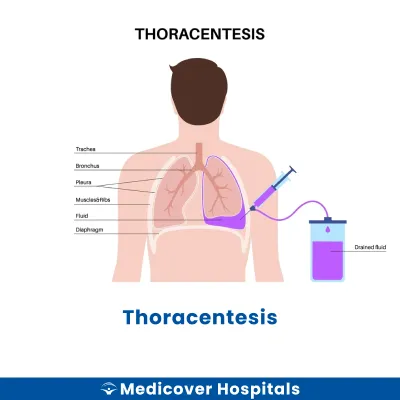
Thoracentesis is a medical procedure involving the removal of fluid from the pleural space (the area between the lungs and the chest wall). This space can accumulate excess fluid due to various medical conditions. The procedure uses a needle and sometimes a catheter to drain the fluid, helping to relieve symptoms and diagnose the underlying cause.
This procedure is often needed when conditions like pleural effusion, heart failure, or lung infections cause fluid build-up. If left untreated, the fluid can lead to breathing difficulties and other complications. Modern approaches for Thoracentesis include ultrasound-guided techniques, which enhance precision and safety during the procedure.
Thoracentesis Doctors Near You
Find experienced pulmonologists for thoracentesis at Medicover Hospitals across India. Choose your city and book a consultation to address your respiratory health needs effectively.
Why Choose Medicover Hospitals for Thoracentesis?
Get a second opinion from trusted experts and makeconfident, informed decisions.
 Get Second Opinion
Complete Guide To Thoracentesis
Everything you need to know about the procedure, preparation, and recovery
Thoracentesis Procedure Indications
Doctors recommend thoracentesis when fluid accumulates in the pleural space, causing discomfort and breathing issues. This procedure helps diagnose and relieve symptoms associated with pleural effusion.
Pleural Effusion
Patients often experience chest pain and difficulty breathing. Imaging tests like X-rays or ultrasounds reveal fluid in the pleural cavity. When medications and other treatments don't alleviate symptoms, thoracentesis is considered.
Unexplained Shortness of Breath
Persistent shortness of breath without a clear cause may prompt further investigation. Doctors may find fluid build-up on imaging tests. If initial treatments don't improve breathing, thoracentesis can help diagnose the underlying issue.
Suspected Infection
Fever, chest pain, and respiratory distress may indicate an infection in the pleural space. Lab tests and imaging may show fluid accumulation. If antibiotics and other treatments fail, thoracentesis is used to obtain fluid samples for analysis.
Heart Failure-Related Effusion
Patients with heart failure may develop pleural effusion, leading to swelling and breathlessness. Imaging confirms fluid presence. When diuretics and heart medications don't reduce fluid, thoracentesis is performed to relieve symptoms.
Malignant Effusion
Patients with cancer may experience pleural effusion, causing pain and breathing difficulty. Scans reveal fluid build-up. If chemo drug therapy or other treatments don't control the effusion, thoracentesis is used to manage symptoms.
How to Prepare for Thoracentesis?
Proper preparation for thoracentesis is crucial to ensure a smooth procedure and reduce complications. It helps in obtaining accurate results and enhances recovery.
- Medication Review: Inform your doctor about all medications you take, including NSAIDs, anticoagulants, and herbal supplements. You may need to stop these before the procedure.
- Fasting Instructions: If sedation is planned, avoid eating or drinking for at least 6 hours before the procedure.
- Clothing: Wear loose, comfortable clothing to allow easy access to the chest area.
- Transportation: Arrange for someone to drive you home after the procedure, especially if sedation is used.
- Medication List: Bring a list of your current medications, including dosages, to share with the medical team.
- Allergy Information: Inform your doctor about any known allergies, especially to local anaesthetics or iodine.
- Health Changes: Report any recent changes in your health, such as fever or respiratory issues, to your doctor.
- Consent Form: Be prepared to sign a consent form, acknowledging your understanding of the procedure and its risks.
Thoracentesis Procedure (Step-by-Step)
Thoracentesis is performed by pulmonologists. It typically takes about 10 to 15 minutes. Local anaesthesia is used to numb the area.
- Preparation: The patient is asked to sit upright, leaning slightly forward. The skin is cleaned with an antiseptic solution to prevent infection.
- Local Anaesthesia: A local anaesthetic is injected into the skin and tissues around the insertion site to numb the area. The patient may feel a slight sting or burn initially.
- Needle Insertion: A needle or a trocar is gently inserted between the ribs into the pleural space. The patient might feel pressure but should not feel pain.
- Fluid Aspiration: A syringe or a catheter is attached to the needle to withdraw the excess fluid. The patient may feel a sensation of pulling as the fluid is removed.
- Needle Removal: Once the fluid is drained, the needle is carefully removed. Pressure is applied to the site to prevent bleeding.
- Site Dressing: A small bandage is placed over the puncture site. The patient can usually resume normal activities shortly after.
- Post-Procedure Monitoring: The patient is observed for a short period to ensure there are no complications like bleeding or difficulty breathing.
Who Performs Thoracentesis Procedure?
Expert Pulmonologists, specialists in lung and respiratory conditions, perform thoracentesis. They are trained to safely and effectively manage the procedure, ensuring patient comfort and safety.
Recovery After Thoracentesis Procedure
After a thoracentesis procedure, patients can expect a short recovery period. Most individuals experience relief from symptoms soon after the procedure. However, it is important to follow specific guidelines to ensure a smooth recovery.
Day 1:
- Rest is essential. Avoid strenuous activities.
- Stick to light meals. Opt for easily digestible foods like curd, dal-rice, and soups.
- Monitor the puncture site for any signs of infection.
Day 2-3:
- Gradually resume normal activities, but avoid heavy lifting.
- Continue with a balanced diet. Include khichdi and moong dal for nourishment.
- Stay hydrated. Drink plenty of water.
Day 4-7:
- Most can return to work or school, depending on how they feel.
- Engage in light exercises like walking, if comfortable.
- Maintain a nutritious diet to aid recovery.
When to Seek Urgent Help:
- Sudden chest pain or difficulty breathing.
- Fever or chills indicating possible infection.
- Excessive bleeding or pus from the puncture site.
- Persistent cough or any unusual symptoms.
Always follow the specific advice given by your healthcare provider. If you have any concerns, contact your doctor immediately.
Benefits of Thoracentesis Procedure
Thoracentesis is a medical procedure used to remove excess fluid from the space between the lungs and the chest wall. It offers several benefits for patients experiencing respiratory issues.
- Symptom Relief: Helps alleviate symptoms like shortness of breath and chest pain.
- Improved Breathing: Enhances lung function by reducing pressure on the lungs.
- Diagnostic Aid: Provides fluid samples for diagnosing underlying conditions.
- Minimally Invasive: Requires only a small needle insertion, reducing recovery time.
Risks and Complications of Thoracentesis Procedure
While thoracentesis is generally safe, it carries some risks. Understanding these can help patients make informed decisions.
- Common: Pain or discomfort at the needle insertion site.
- Common: Minor bleeding or bruising.
- Rare: Infection at the puncture site.
- Rare: Lung collapse (pneumothorax) due to accidental lung puncture.
- Rare: Re-accumulation of fluid requiring repeat procedure.
- Rare: Damage to nearby organs or tissues.
Cost of Thoracentesis Procedure
The cost of a Thoracentesis procedure across Medicover Hospitals ranges from Rs. 1000 to Rs. 16000. Prices vary based on the ward category chosen, such as outpatient, general, private, or deluxe options. We offer transparent pricing to ensure clarity for our patients.
Insurance and TPA support is available, with acceptance of CGHS, ESI, and major TPAs. A cashless facility is also offered for convenience. Please contact the hospital for the latest insurance panel details as these may change periodically.
Frequently Asked Questions
1. How much does Thoracentesis procedure cost at Medicover Hospitals?
The cost of a Thoracentesis procedure at Medicover Hospitals ranges from Rs. 1000 to Rs. 16000, depending on the type of service and accommodation.
2. Is Thoracentesis procedure covered under health insurance at Medicover?
Thoracentesis may be covered under CGHS, ESI, and major TPAs, including cashless options. Please contact the hospital for current panel details.
3. Can Thoracentesis cause lung collapse?
There is a small risk of lung collapse, known as pneumothorax, after Thoracentesis. Monitoring and follow-up care help manage this risk effectively.
4. Will I experience pain after Thoracentesis?
Some patients may feel mild discomfort or pain at the needle site. Pain relief medications can help manage these symptoms effectively.
5. How soon can I return to work after Thoracentesis?
Most patients can return to work within a day or two after the procedure. It is advised to avoid strenuous activities for a week.
6. Can I develop an infection after Thoracentesis?
Infection is a rare complication of Thoracentesis. Following post-procedure care instructions reduces the risk of infection significantly.
7. What foods should I eat after Thoracentesis?
Consume light, easily digestible foods like curd, dal-rice, and khichdi. These help in recovery and prevent digestive discomfort.
8. Is thoracentesis a painful procedure?
Thoracentesis may cause mild to moderate discomfort, but local anesthesia is used to numb the area and reduce pain. Most patients feel pressure rather than sharp pain during the procedure.
9. How long does it take to recover from a thoracentesis?
Recovery after Thoracentesis is usually quick, with most people resuming normal activities within 24–48 hours. Some mild soreness or fatigue may last a short time.
10. What is the most common complication after a thoracentesis?
The most common complication of Thoracentesis is a pneumothorax (collapsed lung). It is usually small and resolves on its own, but occasionally may require treatment.


