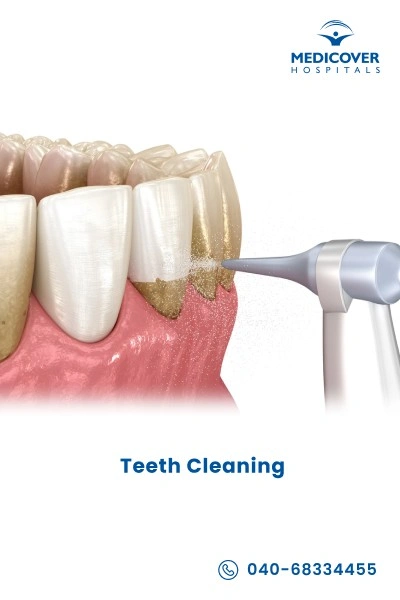
What Is Teeth Cleaning?
Teeth cleaning is a preventive dental procedure that removes plaque, tartar, and stains from your teeth. Even with regular brushing and flossing, some deposits build up over time and can only be removed professionally.
During the procedure, a dentist or dental hygienist uses specialized tools to gently clean above and below the gumline, leaving your teeth smooth, polished, and free of harmful buildup. Regular teeth cleaning not only improves the appearance of your smile but also plays a vital role in preventing gum disease, cavities, and bad breath.
Types of Teeth Cleaning
Depending on your oral health needs, your dentist may recommend one of the following types of teeth cleaning:
- Regular Cleaning (Prophylaxis): This is the standard cleaning most people need every 6 months. It removes soft plaque, hardened tartar, and surface stains to keep your teeth and gums healthy.
- Scaling and Root Planing (Deep Cleaning): Recommended for patients with gum disease, this involves cleaning not only above but also below the gumline. The dentist smoothens the root surfaces to help gums reattach to teeth and prevent further infection.
- Gross Debridement: This type is performed when there is heavy tartar buildup that makes it difficult to examine the teeth properly. It's usually the first step before a more detailed cleaning is done.
- Periodontal Maintenance: After gum disease treatment, patients often need more frequent cleanings (every 3-4 months) to maintain gum health and prevent relapse.
30 - 60 Mins
Surgery Duration
No Anesthesia
Anesthesia Used
Instant Results
Full Recovery
When is Teeth Cleaning Recommended?
Your dentist may recommend a professional teeth cleaning if you have:
- Plaque and Tartar Buildup: When brushing and flossing alone can't remove hardened deposits on your teeth.
- Gum Disease Prevention: To prevent or treat early signs of gum disease (gingivitis) by removing bacteria and plaque from the gumline.
- Persistent Bad Breath: Often caused by bacteria and deposits stuck in hard-to-reach areas.
- Stains on Teeth: From coffee, tea, tobacco, or certain foods that regular brushing can't fully clear.
- Preventive Dental Care: Even if you don't have symptoms, a routine cleaning every 6 months helps prevent cavities and gum disease.
- History of Gum Disease: Patients who have been treated for gum issues may need more frequent cleanings.
Preparation for Teeth Cleaning Procedure
Teeth cleaning is a simple and safe procedure that usually requires minimal preparation. However, a few small steps can help you get the most out of your appointment:
- Maintain Good Oral Hygiene: Brush and floss as usual before your visit. This helps your dentist focus on deeper deposits and problem areas.
- Inform About Medical History: Share any ongoing health conditions (like diabetes or heart problems) and medications you're taking, especially blood thinners.
- Discuss Dental Concerns: If you have tooth sensitivity, gum bleeding, or bad breath, let your dentist know so they can give special attention.
- Eat a Light Meal: It's best to avoid heavy or sticky foods right before your appointment.
- Relax and Prepare: Most cleanings are painless and quick, but if you're anxious, talk to your dentist. They can explain the steps and make you comfortable.
What Happens During Teeth Cleaning?
A professional teeth cleaning is a straightforward process that usually takes 30-60 minutes, depending on the amount of plaque or tartar buildup. Here's what typically happens:
- Dental Examination: Your dentist or hygienist begins with a quick check of your mouth, gums, and teeth to look for signs of plaque, cavities, or gum disease.
- Scaling (Plaque & Tartar Removal): Using special instruments, the dentist gently removes hardened tartar and plaque from your teeth, especially around the gumline and between teeth where brushing can't reach.
- Polishing: After scaling, your teeth are polished with a gritty toothpaste using a high-powered brush. This removes surface stains and makes teeth smoother, reducing plaque buildup in the future.
- Flossing: The dentist flosses between your teeth to clear out any remaining plaque, tartar, or polishing paste.
- Rinsing: A fluoride or antiseptic rinse is given to wash away debris and freshen your mouth.
- Fluoride Treatment (Optional): In some cases, a fluoride gel or varnish may be applied to strengthen enamel and help prevent cavities.
Which Specialist will perform the Teeth Cleaning Procedure?
A dentist or dental hygienist performs teeth cleaning procedures to maintain oral health and prevent dental diseases.
Recovery After Teeth Cleaning
Teeth cleaning usually requires no downtime, and most patients can return to their normal routine immediately after the procedure. However, you may notice a few short-term changes depending on the depth of cleaning.
- Mild Sensitivity :Your teeth may feel slightly sensitive to hot or cold foods for a day or two, especially if you had heavy tartar removal.
- Gum Tenderness : Gums might feel sore or appear slightly swollen, but this usually improves within 24-48 hours.
- Fresh & Clean Feeling :You'll immediately notice smoother teeth, fresher breath, and an overall cleaner mouth.
Tips for Faster Recovery
- Use a soft-bristled toothbrush to avoid irritating gums.
- Avoid very hot, cold, or acidic foods for the first 24 hours.
- Rinse with lukewarm salt water if gums feel sore.
- Stay consistent with brushing and flossing to maintain results.
Lifestyle Changes After Teeth Cleaning
- Brush twice daily with fluoride toothpaste and floss regularly.
- Use an antimicrobial mouthwash if recommended by your dentist.
- Avoid tobacco and limit staining drinks like coffee or tea.
- Schedule routine dental check-ups to maintain oral health.
- Eat a balanced diet low in sugar to prevent plaque buildup.
Benefits of Teeth Cleaning.
Teeth cleaning prevents gum disease, reduces cavities, brightens your smile, and promotes fresh breath and overall oral health.
- Prevents Cavities: Regular cleaning removes plaque, the main cause of tooth decay.
- Protects Against Gum Disease: Scaling helps stop gingivitis and reduces the risk of periodontitis.
- Fresher Breath: Removing trapped food particles and bacteria instantly improves mouth freshness.
- Brighter Smile: Polishing removes surface stains caused by tea, coffee, or smoking.
- Boosts Overall Health: Good oral hygiene is linked to reduced risk of heart disease, diabetes complications, and infections.
Risks of Teeth Cleaning
Teeth cleaning is a very safe dental procedure. However, a few temporary side effects may occur:
- Mild Sensitivity: Some patients may feel slight sensitivity to hot or cold for a few days.
- Gum Soreness: Gums might feel tender after deep scaling, especially if tartar buildup was heavy.
- Minor Bleeding: Light bleeding can happen during or after cleaning, particularly if gums were already inflamed.
These effects are temporary and usually subside within a couple of days.
How much is it to clean teeth at the dentist?
The cost of teeth cleaning in India varies depending on the type of cleaning required, the level of tartar buildup, and the dental facility you choose.
- Basic Cleaning (Scaling & Polishing): Rs. 1,000 - Rs. 3,000
- Deep Cleaning (for gum disease or heavy tartar): Rs. 3,500 - Rs. 7,000
- Advanced Procedures (with special tools or anesthesia): May cost higher depending on the case
 040 68334455
 WhatsApp
 Patient Portal
 Home Care