 Call
Call Patient Reports
Modified Radical Mastectomy or Radical Mastectomy Surgery Hospital
Modified Radical Mastectomy and Radical Mastectomy at Medicover Hospitals are performed using the open surgical approach. Our team includes specialists with qualifications like MS, DNB, and MCh. This procedure often results in reduced blood loss, contributing to a smoother recovery.
Expert Surgeons
Yearly Surgeries
Patient Satisfaction
What is Modified Radical Mastectomy or Radical Mastectomy?
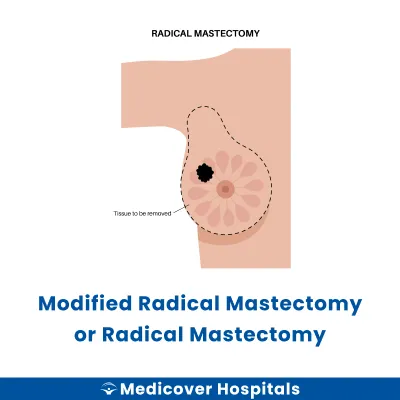
Modified Radical Mastectomy and Radical Mastectomy are surgical procedures involving the removal of the breast. In a Modified Radical Mastectomy, the entire breast, including the skin, areola, nipple, and most axillary lymph nodes (glands under the arm), are removed. However, the chest muscles are left intact. In a Radical Mastectomy, the entire breast, axillary lymph nodes, and chest wall muscles are removed.
This surgery is often needed for breast cancer treatment. It is recommended when the cancer is invasive or has spread to lymph nodes. If untreated, the cancer can progress, affecting other body parts. Modern surgical approaches include skin-sparing and nipple-sparing techniques. These aim to preserve as much skin as possible for reconstruction. Always consult a specialist for the best approach.
Modified Radical Mastectomy or Radical Mastectomy Doctors Near You
Find experienced oncologists for modified radical or radical mastectomy at Medicover Hospitals across India. Choose your city and book a consultation to discuss your treatment options today.
Why Choose Medicover Hospitals for Modified Radical Mastectomy or Radical Mastectomy?
Get a second opinion from trusted experts and makeconfident, informed decisions.
 Get Second Opinion
Complete Guide To Modified Radical Mastectomy Or Radical Mastectomy
Everything you need to know about the procedure, preparation, and recovery
Modified Radical Mastectomy or Radical Mastectomy Surgery Indications
Doctors recommend modified radical mastectomy or radical mastectomy when breast cancer is advanced or when other treatments are not effective. These procedures are considered when the goal is to remove cancerous tissue and prevent further spread.
Large Tumour Size
Patients may notice a significant lump in the breast. Imaging tests like mammograms or ultrasounds reveal a large tumour that cannot be effectively treated with lumpectomy. When the tumour size exceeds a certain limit, mastectomy is advised.
Multiple Tumours
Some patients experience multiple lumps in different areas of the breast. Scans confirm the presence of several tumours, making breast-conserving surgery impractical. In such cases, mastectomy is recommended to remove all cancerous tissue.
Involvement of Lymph Nodes
Swelling or lumps under the arm may indicate lymph node involvement. Biopsy results showing cancer spread to lymph nodes often lead doctors to suggest mastectomy to address both the breast and affected nodes.
Inflammatory Breast Cancer
Symptoms include redness, swelling, and warmth in the breast. This aggressive cancer type is confirmed through biopsy and imaging. When it does not respond to chemotherapy alone, mastectomy is considered necessary.
Recurrence of Breast Cancer
Patients with previous breast cancer treatment may notice new lumps or changes. Imaging and biopsy confirm recurrence. When cancer returns after initial treatment, mastectomy may be the best option to manage the disease.
How to Prepare for Modified Radical Mastectomy or Radical Mastectomy?
Proper preparation is crucial for a smooth surgery and recovery. It helps reduce complications and ensures a successful procedure.
- Medication Review: Stop NSAIDs, anticoagulants, and herbal supplements as advised by your doctor.
- Fasting: Do not eat or drink anything for at least 8 hours before the surgery to prepare for anaesthesia.
- Pre-Surgery Tests: Complete any required blood tests, imaging, or other evaluations as instructed by your healthcare team.
- Clothing: Wear loose, comfortable clothing on the day of surgery for easy dressing post-operation.
- Transportation: Arrange for someone to drive you home after the procedure, as you will not be able to drive yourself.
- Medication List: Bring a list of all medications you are taking, including dosages, to the hospital.
- Personal Items: Pack essentials like toiletries and a change of clothes for your hospital stay.
- Smoking Cessation: Avoid smoking before surgery to enhance healing and recovery.
Modified Radical Mastectomy or Radical Mastectomy Surgery (Step-by-Step)
This surgery is performed by oncologists. It typically takes 2-3 hours and is done under general anaesthesia.
- Preparation: The patient is given general anaesthesia to ensure they are asleep and pain-free. The surgical area is sterilised.
- Incision: A horizontal or diagonal incision, usually 6-8 inches, is made across the chest to access the breast tissue.
- Tissue Removal: Using a scalpel and harmonic scalpel, the surgeon removes the breast tissue. In a radical mastectomy, chest wall muscles may also be removed.
- Lymph Node Dissection: Axillary lymph nodes are removed using a curette or bipolar cautery to check for cancer spread.
- Closure: The incision is closed with sutures or staples. A drain may be placed to remove excess fluid.
- Dressing: The surgical area is covered with a sterile dressing. The patient is moved to recovery.
- Recovery: The patient wakes up in the recovery room. Pain management and monitoring are provided.
Who Performs Modified Radical Mastectomy or Radical Mastectomy Surgery?
This surgery is performed by surgical oncology doctor. They specialise in removing cancerous tissues and managing cancer treatment.
Recovery After Modified Radical Mastectomy or Radical Mastectomy Surgery
Recovery from a Modified Radical Mastectomy or Radical Mastectomy involves physical and emotional adjustments. Understanding the recovery timeline can help manage expectations and promote healing.
Day 1-3:
- Expect some pain and discomfort. Pain management will be provided.
- Rest is crucial. Avoid strenuous activities.
- Light meals like dal-rice and soups are recommended.
Day 4-7:
- Gradually increase light activities as tolerated.
- Continue with a balanced diet. Include curd and moong dal for protein.
- Monitor the surgical site for any signs of infection.
Week 2:
- Begin gentle arm exercises as advised by your doctor.
- Return to normal diet. Khichdi and soft vegetables can be included.
- Most patients can resume desk work or school activities.
Weeks 3-6:
- Increase physical activity gradually. Avoid heavy lifting.
- Continue with a nutritious diet to support healing.
- Emotional support may be beneficial during this phase.
When to Seek Urgent Help:
- Fever or chills indicating possible infection.
- Severe pain not relieved by medication.
- Unusual swelling or redness around the surgical site.
- Sudden shortness of breath or chest pain.
Benefits of Modified Radical Mastectomy or Radical Mastectomy Surgery
These surgeries are crucial for treating breast cancer, offering several benefits for patients.
- Effective Cancer Removal: Helps in removing cancerous tissues, reducing the risk of cancer spread.
- Comprehensive Treatment: Involves removal of affected lymph nodes, aiding in thorough cancer management.
- Potential for Reconstruction: Allows for breast reconstruction options post-surgery, enhancing quality of life.
- Reduced Recurrence Risk: Lowers the chances of cancer recurrence in the treated area.
Risks and Complications of Modified Radical Mastectomy or Radical Mastectomy Surgery
While these surgeries are generally safe, they do carry certain risks and complications.
- Common - Pain and Discomfort: Post-surgical pain is common and may require management.
- Common - Swelling (Lymphedema): Swelling in the arm or chest area can occur due to lymph node removal.
- Common - Infection: Risk of infection at the surgical site, requiring medical attention.
- Rare - Nerve Damage: Possible nerve injury leading to numbness or tingling sensations.
- Rare - Seroma Formation: Fluid accumulation under the skin, which may need drainage.
- Rare - Shoulder Stiffness: Limited shoulder movement post-surgery, requiring physiotherapy.
Cost of Modified Radical Mastectomy or Radical Mastectomy Surgery
The cost of Modified Radical Mastectomy or Radical Mastectomy Surgery at Medicover Hospitals ranges from Rs. 117,000 to Rs. 187,000. The price varies based on the ward category chosen, such as day care, general, twin sharing, private, and more. We offer transparent pricing to ensure clarity for our patients.
Insurance and TPA support, including CGHS, ESI, and major TPAs, are accepted, and a cashless facility is available. Please contact the hospital for the latest insurance panel details as these may change periodically.
Frequently Asked Questions
1. How much does Modified Radical Mastectomy or Radical Mastectomy surgery cost at Medicover Hospitals?
The cost for Modified Radical Mastectomy or Radical Mastectomy surgery at Medicover Hospitals ranges from Rs. 117,000 to Rs. 187,000, depending on the room type.
2. Is Modified Radical Mastectomy or Radical Mastectomy surgery covered under health insurance at Medicover?
Yes, it is usually covered by CGHS, ESI, and major TPAs, with cashless options available. Please contact the hospital for current panel details.
3. Will I need breast reconstruction after mastectomy?
Breast reconstruction is an option post-mastectomy for aesthetic purposes. Discuss with your surgeon to understand the best timing and method for you.
4. Can I lift heavy objects after mastectomy?
Avoid lifting heavy objects for at least 4-6 weeks post-surgery. This helps prevent complications and supports proper healing of the surgical site.
5. Will I experience numbness after mastectomy?
Numbness around the surgical area is common due to nerve involvement. Sensation may gradually return, but some areas might remain permanently altered.
6. Can I wear a bra immediately after mastectomy?
It's advisable to avoid wearing a regular bra immediately post-surgery. Opt for a soft, non-wired bra or a surgical bra as recommended by your doctor.
7. What diet should I follow after mastectomy?
Consume a balanced diet with foods like curd, dal-rice, and khichdi. These foods aid in digestion and provide essential nutrients for recovery.


