What is Laparoscopy Surgery?
Laparoscopy, also called keyhole surgery or minimally invasive surgery, is a modern surgical technique that allows doctors to look inside the abdomen and pelvis without making a large cut. Instead, a laparoscope (a thin tube with a light and camera) is inserted through small incisions, usually less than 1 cm. The camera sends live images to a monitor, helping surgeons see organs clearly and perform precise procedures.
This method is widely used to diagnose and treat many abdominal and pelvic conditions, such as:
Compared to traditional open surgery, laparoscopy offers many benefits:
- Smaller incisions and scars
- Less pain after surgery
- Faster healing and recovery
- Shorter hospital stay
- Lower risk of infection
Difference Between Laparoscopy and Laparoscopic Surgery
- Laparoscopy is a diagnostic procedure using a laparoscope to examine internal organs, mainly for visual assessment.
- Laparoscopic surgery, on the other hand, uses the same minimally invasive technique to treat conditions like hernia or gallbladder issues.
- While laparoscopy focuses on diagnosis, laparoscopic surgery involves therapeutic interventions. Both are minimally invasive and promote faster recovery.
Types of Laparoscopy Surgery
Laparoscopic surgery can be done for both diagnosis and treatment. The type recommended depends on the patient's condition.
Diagnostic Laparoscopy
- Used when the cause of abdominal or pelvic pain is unclear.
- Helps detect problems such as internal bleeding, infection, adhesions (scar tissue), or tumors.
- Often used in infertility evaluation to check fallopian tubes and ovaries.
Laparoscopic Gallbladder Removal (Cholecystectomy)
- Performed when gallstones cause pain, nausea, or infections.
- The gallbladder is removed through tiny incisions.
- Patients usually go home the next day.
Laparoscopic Appendectomy
- Removes an inflamed or infected appendix.
- Prevents complications like rupture and peritonitis (serious infection).
- Recovery is usually quick, with most patients returning to routine activities in a week.
Laparoscopic Hernia Repair
- Treats hernias in the abdomen, umbilical region, or groin (inguinal).
- The surgeon places a mesh to strengthen the weak area.
- Less post-surgery pain compared to open hernia repair.
Laparoscopic Uterus Removal (Hysterectomy)
Recommended for fibroids, severe endometriosis, chronic pelvic pain, or uterine cancer.
- May involve removing the uterus fully or partially.
- Allows women to recover faster with minimal scarring.
30 Mins - 2 Hours
Surgery Duration
General Anesthesia
Anesthesia Used
4-6 Weeks
Full Recovery Timeline

When is Laparoscopy Recommended?
Laparoscopy is advised when traditional, non-surgical treatments do not provide relief or when doctors need a clear view of internal organs for accurate diagnosis. This minimally invasive approach allows surgeons to both examine and, if required, treat the condition during the same procedure.
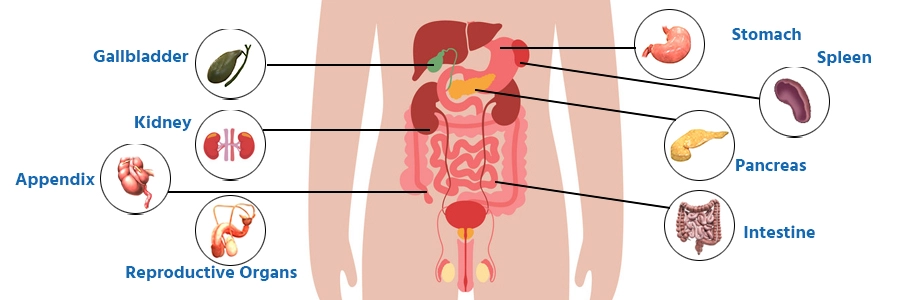
Common Reasons for Laparoscopy
- Unexplained Severe Abdominal Pain: When pain persists despite tests such as ultrasound, CT scan, or blood work, laparoscopy helps identify the exact cause. It allows direct visualisation of abdominal organs, which improves diagnostic accuracy.
- Gallbladder Problems: It is the standard treatment for gallstones and chronic gallbladder disease. Laparoscopic gallbladder removal (cholecystectomy) is less painful, involves smaller scars, and allows faster recovery compared to open surgery.
- Appendicitis: In cases of an inflamed or infected appendix, laparoscopic appendectomy is recommended. It offers quicker healing, reduced risk of wound infection, and shorter hospital stay.
- Hernia Repair: Used for inguinal, ventral, and umbilical hernias, laparoscopic surgery strengthens the abdominal wall with mesh placement. Patients often experience less post-surgical pain and an earlier return to normal activities.
- Gynecological Conditions: Laparoscopy plays a major role in women's health. It is recommended for diagnosing and treating endometriosis, ovarian cysts, fibroids, and even for procedures like hysterectomy (uterus removal) or oophorectomy (ovary removal) in selected cases.
How to Prepare for Laparoscopy Surgery
Getting ready for laparoscopy surgery is just as important as the procedure itself. Proper preparation lowers risks, speeds up recovery, and makes the overall experience smoother.
Medical Evaluation & Tests
Before surgery, your doctor will run several checks to make sure you are fit for anesthesia and surgery. These may include:
- Blood tests to check blood count, sugar levels, kidney and liver function.
- Imaging scans (such as ultrasound, CT, or MRI) to help surgeons plan the procedure.
- An electrocardiogram (ECG) is used to assess heart health, especially in patients over 40 or with a history of heart disease.
- Medical history review, including allergies, current medications, and past surgeries.
This step helps your surgical team anticipate any risks and customise the safest approach for you.
Lifestyle Adjustments
Small changes in daily habits before surgery can improve healing:
- Stop smoking at least 2-4 weeks before surgery to improve lung function and blood circulation.
- Avoid alcohol in the days leading up to surgery as it can interfere with anesthesia and wound healing.
- Discontinue blood-thinning medicines (like aspirin, warfarin, or certain supplements such as fish oil) only under your doctor's guidance to reduce bleeding risk.
- Eat a balanced diet rich in protein, fruits, and vegetables to support faster recovery.
Home Preparation
Since laparoscopy is often a day-care or short-stay surgery, your home should be ready before you return:
- Arrange for support: A friend or family member should stay with you for the first 24-48 hours.
- Meal prep: Cook and store easy-to-reheat meals in advance.
- Keep essentials nearby: Water, medications, phone, and light snacks should be within reach so you can avoid unnecessary strain.
- Create a safe space: Remove loose rugs or clutter to prevent accidental falls when moving around after surgery.
Day Before & Day of Surgery
Following hospital instructions carefully makes the procedure safer:
- Fasting: Usually, you should not eat or drink anything 6-8 hours before surgery to reduce anesthesia risks.
- Bathing: Shower with an antiseptic soap the night before or the morning of surgery to reduce the risk of infection.
- Clothing: Wear loose, comfortable clothes. Avoid jewelry, nail polish, and makeup.
- Documentation: Carry your hospital ID, insurance papers, and a list of current medications.
What Happens During Laparoscopy Surgery?
Laparoscopy is a minimally invasive surgery where doctors use special tools and a tiny camera to look inside your abdomen and treat medical conditions. Unlike open surgery, it requires only small cuts, which means less pain, faster recovery, and smaller scars.
Preparation & Anesthesia
- Before the surgery, you will be asked to avoid food and drinks for a few hours.
- Once in the operating room, general anesthesia is given, which makes you sleep throughout the procedure.
- This ensures you feel no pain or discomfort.
Incision / Access Point
- The surgeon makes 1-4 small cuts, usually near the belly button.
- A harmless carbon dioxide gas is then gently pumped into the abdomen.
- This gas inflates the belly, creating space for the surgeon to see and work safely.
Main Procedure
- A thin tube with a camera (laparoscope) is inserted through one incision. The camera sends high-definition images to a screen.
- Special surgical instruments are placed through other small cuts.
- Depending on your condition, the surgeon may remove a cyst, gallbladder, appendix, or perform other necessary repairs.
Closure
- After the surgery, the instruments are removed.
- The gas is slowly released from the abdomen to avoid bloating or discomfort.
- Small stitches or medical glue are used to close the tiny cuts.
Recovery Room
- You are moved to a recovery area where nurses monitor your blood pressure, breathing, and comfort.
- Most patients feel a little groggy, may have mild shoulder pain from the gas, or slight abdominal soreness.
- Once stable, you are shifted to a ward or discharged on the same day, depending on the type of surgery.
Who Will Do Laparoscopy Surgery?
Laparoscopy surgery is typically performed by:
- General surgeons perform procedures involving the abdomen, such as appendectomy or hernia repair.
- Gynecologists perform procedures related to the female reproductive system, such as ovarian cyst removal or endometriosis treatment.
- Urologists perform surgeries involving the urinary tract or male reproductive organs.
- Gastrointestinal surgeons perform specialized procedures involving the stomach, intestines, liver, or gallbladder.
All of these professionals are trained in minimally invasive surgical techniques and are licensed medical doctors with specialization in their respective fields.
What to Expect After Laparoscopy Surgery?
Laparoscopic surgery usually offers a quicker and smoother recovery compared to open surgery. Still, proper care during the healing period is essential for the best results.
First Few Days After Surgery
- Common Symptoms: It is normal to feel mild abdominal pain, bloating, or shoulder pain. The shoulder discomfort happens because carbon dioxide gas is used to inflate the abdomen during surgery.
- Pain Relief: Walking, gentle movement, warm compresses, and prescribed pain medications help reduce discomfort.
- Diet: Patients can usually start with liquids and soft foods, moving to a normal diet as tolerated.
Weeks 2-4
- Activity Level: Light activities, such as short walks and desk work, can usually be resumed.
- Restrictions: Avoid lifting heavy objects, vigorous exercise, or bending too much. These activities may strain the healing muscles and incisions.
- Incision Care: Stitches or small adhesive strips usually heal within 10-14 days. Keeping the area clean and dry reduces the risk of infection.
Weeks 5-6
- By this stage, most patients can return to their normal daily routine.
- Some may still feel mild fatigue, but energy levels typically improve steadily.
3-6 Months
- Complete Internal Healing: Even though the outer incisions heal quickly, tissues inside the abdomen need more time. Full internal healing usually takes three to six months.
- Patients who follow their doctor's instructions recover faster and reduce the chance of complications.
Doctor's Tip:
Mild shoulder pain after laparoscopy is very common and usually not a sign of complication. Walking, applying a warm compress, and taking prescribed pain relief medication can ease the discomfort.
What are the benefits of Laparoscopic Surgery?
Laparoscopic or "keyhole" surgery provides many advantages over traditional open surgery. It is a minimally invasive approach that uses a tiny camera and specialised instruments inserted through small incisions.
Key benefits include:
- Smaller incisions and minimal scarring: Only a few small cuts (usually less than 1 cm each) are made, leading to better cosmetic results compared to larger open surgery scars.
- Faster recovery and shorter hospital stay: Most patients return home within 1-2 days and can resume daily routines sooner.
- Reduced risk of infection and blood loss: Smaller wounds lower the chance of infections, and careful surgical technique reduces bleeding.
- Less post-operative pain: Patients typically experience less pain after laparoscopy, which reduces the need for strong pain medications.
- Earlier return to normal activities: Many patients can go back to work, school, or light exercise within a week or two, depending on the type of surgery performed.
What are the possible risks or complications of laparoscopic surgery?
Although laparoscopy is generally safe, it still carries some risks and possible complications, just like any surgical procedure.
Potential laparoscopic surgery side effects include:
- Infection at incision sites: Though uncommon, infections may develop if wounds are not cared for properly.
- Bleeding or injury to nearby organs: Instruments used during surgery may sometimes damage surrounding organs such as the bowel, bladder, or blood vessels.
- Hernia at incision sites (rare): A small bulge may occur if the muscle wall at the incision point does not heal fully.
- Side effects of anesthesia: Patients may experience nausea, dizziness, or allergic reactions to anesthesia drugs.
- Gas-related discomfort: Carbon dioxide is used to inflate the abdomen during laparoscopy. Some patients feel shoulder or abdominal pain after surgery, which usually improves within a few days.
Cost of Laparoscopy Surgery in India
The cost of laparoscopy surgery in India usually depends on the type of procedure (such as appendix, hernia, or gallbladder removal), the surgeon's experience, and the hospital facilities you choose. On average, the price ranges between Rs. 50,000 to Rs. 1,50,000.
At Medicover Hospitals, we provide transparent pricing with no hidden charges. Our team helps you choose the right treatment plan that fits both your medical needs and budget. For an accurate cost estimate tailored to your condition, you can connect with our patient support team anytime.
 040 68334455
 WhatsApp
 Patient Portal
 Home Care