 Call
Call Patient Reports
Best Hospital for Laparoscopic Sleeve Gastrectomy Surgery with Advanced Bariatric Care
Laparoscopic Sleeve Gastrectomy at Medicover Hospitals is performed by skilled surgical gastroenterologists with qualifications like MS, DNB, and MCh. This minimally invasive approach involves smaller incisions, leading to reduced blood loss and shorter hospital stays for patients across India.
Expert Surgeons
Yearly Surgeries
Patient Satisfaction
What is Laparoscopic Sleeve Gastrectomy?
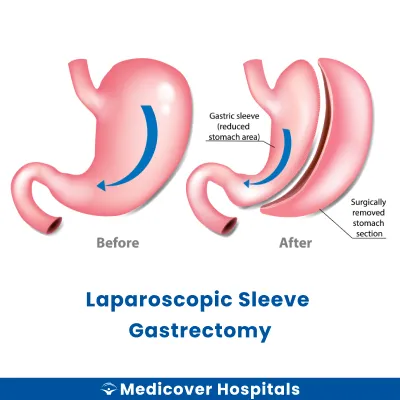
Laparoscopic Sleeve Gastrectomy is a surgical procedure that involves removing a portion of the stomach. This creates a tube-like structure (sleeve) in the stomach. The surgery is performed using small incisions and a camera (laparoscope) to guide the procedure. This method is less invasive compared to traditional open surgery.
This surgery is needed for individuals with severe obesity. It helps in weight loss by reducing the stomach's capacity. Conditions like diabetes, hypertension, and sleep apnea often accompany obesity. If untreated, these can lead to serious health issues. Modern surgical approaches for this procedure include minimally invasive techniques. These techniques offer quicker recovery and less pain. Laparoscopic Sleeve Gastrectomy is a common choice for those seeking weight loss solutions.
Laparoscopic Sleeve Gastrectomy Doctors Near You
Discover experienced gastroenterologists-surgical for laparoscopic sleeve gastrectomy at Medicover Hospitals across India. Choose your city and book a consultation to start your journey towards better health.
Why Choose Medicover Hospitals for Laparoscopic Sleeve Gastrectomy Surgery?
Get a second opinion from trusted experts and makeconfident, informed decisions.
 Get Second Opinion
Complete Guide To Laparoscopic Sleeve Gastrectomy
Everything you need to know about the procedure, preparation, and recovery
Laparoscopic Sleeve Gastrectomy Surgery Indications
Laparoscopic Sleeve Gastrectomy is recommended for individuals struggling with obesity-related health issues. Doctors suggest this procedure when lifestyle changes and medications do not yield desired results.
Severe Obesity
Patients often experience difficulty in daily activities, joint pain, and breathlessness. A Body Mass Index (BMI) of 40 or more is typically observed. When diet and exercise fail to reduce weight, surgery is considered.
Obesity with Comorbid Conditions
Patients may have conditions like type 2 diabetes, hypertension, or sleep apnea. These are often accompanied by high BMI (35-39.9). If medications and lifestyle modifications do not improve these conditions, surgery is advised.
Failed Weight Loss Attempts
Patients report frustration after multiple unsuccessful weight loss attempts through diet and exercise. Doctors note minimal or no weight reduction despite adherence to programs. Surgery becomes an option when other methods fail.
Metabolic Syndrome
Symptoms include high blood pressure, elevated blood sugar, and abnormal cholesterol levels. Tests reveal a combination of these factors. When lifestyle changes do not alleviate symptoms, surgery is recommended.
Obesity-Related Psychological Issues
Patients may experience depression or low self-esteem due to obesity. Psychological assessments show significant impact on mental health. When therapy and support groups do not help, surgery is considered.
How to Prepare for Laparoscopic Sleeve Gastrectomy?
Proper preparation is crucial for a successful laparoscopic sleeve gastrectomy. It helps minimise risks and ensures a smoother recovery.
- Medication Review: Stop NSAIDs, anticoagulants, and herbal supplements as advised by your doctor.
- Fasting: Do not eat or drink anything for at least 8 hours before the surgery to prepare for anaesthesia.
- Pre-surgery Diet: Follow a low-calorie, high-protein diet for 1-2 weeks before surgery to reduce liver size.
- Hydration: Stay well-hydrated in the days leading up to the surgery, but avoid drinking on the day of the procedure.
- Clothing: Wear loose, comfortable clothing on the day of the surgery for ease and comfort.
- Transportation: Arrange for someone to drive you home after the surgery, as you will not be able to drive yourself.
- Medication List: Bring a list of your current medications with dosages to the hospital.
- Smoking Cessation: Stop smoking at least a few weeks before surgery to improve healing.
Laparoscopic Sleeve Gastrectomy Surgery (Step-by-Step)
Laparoscopic sleeve gastrectomy is performed by experienced specialists from the Surgical Gastroenterology department. The procedure usually takes 1-2 hours and is carried out under general anaesthesia.
- Preparation: The patient is positioned on the operating table. General anaesthesia is administered to ensure they are asleep and pain-free.
- Incision and Access: Small incisions of about 1-2 cm are made in the abdomen. A trocar is inserted through these incisions to allow access for surgical instruments.
- Insertion of Laparoscope: A laparoscope, a thin tube with a camera, is inserted through one of the incisions. This provides a clear view of the stomach on a monitor.
- Stomach Resection: Using a harmonic scalpel and other instruments, a large portion of the stomach is carefully removed. This reduces the stomach size to a sleeve-like shape.
- Closure: The remaining stomach is stapled and sealed. Bipolar cautery may be used to control bleeding and ensure proper sealing.
- Final Check and Closure: The surgeon checks for leaks or bleeding. The instruments are removed, and the incisions are closed with sutures or surgical glue.
- Recovery: The patient is moved to a recovery area. They are monitored as they wake up from anaesthesia.
Who Performs Laparoscopic Sleeve Gastrectomy Surgery?
This surgery is performed by skilled gastroenterologists who specialize in minimally invasive procedures. They are trained in laparoscopic techniques and in effectively managing bariatric surgeries.
Recovery After Laparoscopic Sleeve Gastrectomy Surgery
Recovery from laparoscopic sleeve gastrectomy surgery involves gradual changes in diet and activity. Patients need to follow specific guidelines to ensure proper healing and avoid complications.
Day 1-3:
- Hospital stay is common. Rest is crucial.
- Only clear liquids like water, clear soups, and coconut water are allowed.
- Walking short distances is encouraged to prevent blood clots.
Day 4-7:
- Transition to full liquids such as milk, thin dal, and strained soups.
- Continue light walking. Avoid lifting heavy objects.
- Monitor for any signs of infection at incision sites.
Week 2:
- Soft foods like curd, mashed khichdi, and moong dal can be introduced.
- Gradually increase activity but avoid strenuous exercises.
- Most patients can return to work or school, depending on their recovery pace.
Week 3-4:
- Introduce more solid foods slowly. Focus on protein-rich options.
- Regular activities can be resumed, but high-intensity workouts should wait.
- Attend follow-up appointments to monitor progress.
When to Seek Urgent Help:
- Severe abdominal pain or persistent vomiting.
- Signs of infection: fever, redness, or discharge from incision sites.
- Difficulty breathing or chest pain.
Contact your healthcare provider immediately if you experience any of these symptoms.
Benefits of Laparoscopic Sleeve Gastrectomy Surgery
Laparoscopic Sleeve Gastrectomy is a popular weight-loss surgery that offers several benefits for individuals struggling with obesity.
- Significant Weight Loss: This procedure can lead to substantial weight reduction by limiting food intake.
- Improved Metabolic Health: Many patients experience improvements in conditions like type 2 diabetes and high blood pressure.
- Minimally Invasive: The laparoscopic approach involves smaller incisions, leading to quicker recovery times.
- Reduced Hunger: By removing a portion of the stomach, the surgery decreases hunger hormones, helping control appetite.
Risks and Complications of Laparoscopic Sleeve Gastrectomy Surgery
While generally safe, Laparoscopic Sleeve Gastrectomy carries potential risks and complications, as with any surgical procedure.
- Common: Nausea and vomiting may occur as the body adjusts to the new stomach size.
- Common: Nutritional deficiencies can develop, requiring lifelong vitamin supplementation.
- Rare: Leakage from the stomach can occur, necessitating additional medical intervention.
- Rare: Blood clots may form, posing serious health risks if not addressed promptly.
- Rare: Infection at the incision site, although uncommon, is a possible risk.
Cost of Laparoscopic Sleeve Gastrectomy Surgery
The cost of Laparoscopic Sleeve Gastrectomy Surgery in India typically ranges from ₹2,00,000 to ₹5,50,000, depending on factors such as the surgical approach, duration of hospital stay, room category, required diagnostics, and post-operative care.
At Medicover Hospitals, we offer transparent pricing for all procedures. We support insurance and TPA services, including CGHS, ESI, and major TPAs, with cashless facility options available. Please contact the hospital for the latest insurance panel details as these may change periodically.
Frequently Asked Questions
1. How much does Laparoscopic Sleeve Gastrectomy surgery cost at Medicover Hospitals?
The cost of Laparoscopic Sleeve Gastrectomy in India typically ranges from ₹2,00,000 to ₹5,50,000, depending on the surgical approach, hospital stay, diagnostic tests, and post-operative care. Please contact Medicover Hospitals for detailed pricing information.
2. Is Laparoscopic Sleeve Gastrectomy surgery covered under health insurance at Medicover?
Laparoscopic Sleeve Gastrectomy may be covered by CGHS, ESI, and major TPAs. Please contact the hospital for current panel details.
3. Will my stomach stretch after sleeve gastrectomy?
The stomach can stretch if dietary guidelines are not followed. It's crucial to maintain portion control to avoid stretching.
4. Can I eat spicy food after sleeve gastrectomy?
Spicy food should be avoided initially after surgery. Gradually reintroduce foods like dal-rice or khichdi after consulting your doctor.
5. Is hair loss common after sleeve gastrectomy?
Hair loss can occur due to nutritional changes post-surgery. Ensuring adequate protein intake can help mitigate this issue.
6. Will I need vitamin supplements after sleeve gastrectomy?
Yes, vitamin supplements are often necessary post-surgery. Regular follow-ups ensure you receive the right nutrients.
7. Can acid reflux occur after sleeve gastrectomy?
Acid reflux is a possible complication post-surgery. Dietary adjustments and medications can help manage this condition.
8. What is the recovery time for a laparoscopic sleeve gastrectomy?
Recovery usually takes about 2 to 4 weeks for most daily activities, while full recovery and adjustment to diet may take a few months. Many patients can return to light work within 1-2 weeks.
9. Is gastric sleeve a serious surgery?
Yes, gastric sleeve surgery is considered a major surgery, as it involves removing a large portion of the stomach. However, it is commonly performed using minimally invasive techniques, making it safer with faster recovery.
10. What is the 30/30 rule after gastric sleeve?
The 30/30 rule means not drinking fluids 30 minutes before and after meals. This helps prevent overfilling the stomach, improves digestion, and supports better weight loss outcomes.


