What Is a Laparoscopic Myomectomy For Fibroids?
Laparoscopic myomectomy is a minimally invasive surgery used to remove fibroids from the uterus. Fibroids are non-cancerous growths that can cause heavy periods, pelvic pain, or fertility issues. This procedure is also commonly chosen for women seeking laparoscopic fibroid removal side effects information before surgery.
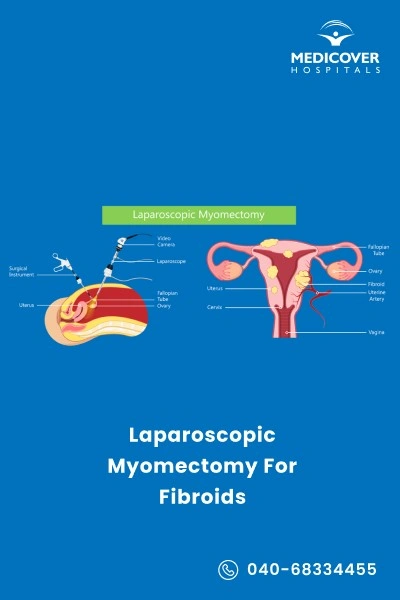
In this procedure, small cuts are made in the abdomen, and special surgical instruments are used to carefully remove the fibroids without affecting the uterus. Since the surgery is performed with a laparoscope (a thin tube with a camera), it allows the doctor to see clearly inside and operate with precision.
This method usually results in less pain, smaller scars and a faster recovery compared to open surgery. It is often recommended for women who wish to preserve their uterus and maintain future fertility.
Types of Laparoscopic Myomectomy For Fibroids
Laparoscopic myomectomy can be done in different ways depending on the size, number and position of fibroids in the uterus. The common types include:
- Intramural Myomectomy: Used when fibroids grow inside the muscular wall of the uterus. The surgeon carefully removes them while keeping the uterus intact.
- Subserosal Myomectomy: Chosen when fibroids grow on the outer wall of the uterus, often causing pressure or heaviness in the abdomen.
- Submucosal Myomectomy: Recommended when fibroids develop just under the inner lining of the uterus, which can lead to heavy bleeding and fertility problems.
For women with larger growths, doctors may recommend a laparoscopic myomectomy for large fibroids to safely manage symptoms and preserve fertility.
Each type of laparoscopic myomectomy aims to relieve symptoms, improve quality of life, and preserve fertility with a quicker recovery compared to traditional open surgery.
2 to 4 Hours
Surgery Duration
General anesthesia
Anesthesia Used
4 to 6 weeks
Full Recovery Timeline
When is Laparoscopic Myomectomy For Fibroids Recommended?
Laparoscopic myomectomy is often advised when fibroids cause health problems or affect daily life. Here are the main situations where doctors may recommend it:
- Heavy Menstrual Bleeding and Pain: Women who experience very heavy periods, pelvic pressure, or severe cramps due to fibroids may benefit from surgery to reduce these symptoms.
- Fertility Concerns: Fibroids that interfere with conception or increase the risk of miscarriage can be removed while keeping the uterus intact, supporting future pregnancy plans.
- Large or Multiple Fibroids: When fibroids grow in size or number, they may press on nearby organs, leading to discomfort, frequent urination, or bloating. Surgery helps restore normal function.
- Failure of Other Treatments: If medications or non-surgical options do not control fibroid symptoms, laparoscopic myomectomy becomes a preferred choice for long-term relief.
Preparing for Laparoscopic Myomectomy For Fibroids Surgery Procedure
Proper preparation before laparoscopic myomectomy ensures the surgery goes smoothly and helps you recover faster. Here are some important steps to follow:
Pre-Surgery Health Check
- Before your surgery, your doctor will take a complete look at your medical history, including any ongoing conditions and medications you may be using.
- Routine tests like blood work, ultrasound, or ECG are usually done to confirm that your body is ready for surgery.
- These results give the surgical team a clear picture of your health and help them plan safely.
Lifestyle and Diet Planning
- Making lifestyle changes ahead of time plays a big role in how well you recover.
- Doctors usually advise quitting smoking at least 4-6 weeks before surgery, as smoking slows down healing and increases risks during anesthesia.
- Alcohol should also be avoided because it can interfere with medications and delay recovery.
- In addition, you may be asked to stop certain blood-thinning medicines or supplements like aspirin, NSAIDs, vitamin E, or herbal products, around two weeks before the procedure.
- Eating a balanced diet with enough protein, fresh vegetables, and fruits will strengthen your body and help tissues heal faster after surgery.
Getting Home Ready
- Recovery becomes easier if your home is set up before you return from the hospital. Ask a family member or close friend to accompany you on the day of surgery and to assist you during the first few days at home.
- Keep essentials like drinking water, prescribed medicines, sanitary pads, light snacks, and comfortable clothing within easy reach in your bedroom.
- It's also helpful to prepare simple meals in advance or stock your kitchen with easy-to-cook foods so you don't have to worry about cooking while you rest.
Day Before and Day of Surgery
- The evening before surgery, follow your doctor's fasting instructions usually no food or drink after midnight. This reduces the risk of complications during anesthesia.
- Take a shower with antiseptic soap if recommended, as this helps reduce the chance of infection.
- Avoid lotions, perfumes, nail polish, or creams on the day of surgery, as they may interfere with monitoring devices or increase infection risk.
- When heading to the hospital, wear loose, front-opening clothes that are easy to change out of, and leave jewellery, makeup, or accessories at home.
Steps Involved in Laparoscopic Myomectomy For Fibroids
Laparoscopic Myomectomy for Fibroids is a sophisticated surgical technique that targets uterine fibroids while preserving the uterus. This minimally invasive procedure involves several distinct steps to ensure a successful outcome:
- Anesthesia Administration: The patient is given general anesthesia to assure his or her comfort and unconsciousness throughout the procedure.
- Incision Placement: Small incisions are made in the abdomen to accommodate the insertion of surgical instruments and a laparoscope (a thin tube with a camera).
- Creation of Pneumoperitoneum: Carbon dioxide gas is supplied to generate space in the abdominal cavity, allowing for improved visualization and manipulation of the surgical area.
- Insertion of Laparoscope and Instruments: A laparoscope is inserted through one of the incisions, while specialized instruments are inserted through the others. These instruments allow the surgeon to perform precise movements within the abdomen.
- Identification of Fibroids: The surgeon identifies the fibroids within the uterus using the laparoscope's visual feed and manipulates the instruments accordingly.
- Incision and Fibroid Removal: A small incision is made on the uterus over each fibroid. The surgeon then delicately dissects and removes the fibroids while preserving the surrounding healthy tissue.
- Uterine Closure: After the fibroids are removed, the incisions made on the uterus are closed with sutures. This step ensures that the uterine integrity is maintained.
- Incision Closure: The abdominal incisions are closed using sutures or surgical adhesive.
- Recovery and Monitoring: The patient is moved to a recovery area, where medical professionals monitor their vital signs as they wake up from anesthesia.
Who Will Do the Laparoscopic Myomectomy For Fibroids?
Laparoscopic Myomectomy for Fibroids is a specialized procedure that requires skilled gynecological surgeons with expertise in minimally invasive techniques. The healthcare team typically includes gynecologists, laparoscopic surgeons, anesthesiologists, and nurses.
This approach provides a less invasive treatment for fibroids, offering quicker recovery times and minimal scarring.
Recovery After Laparoscopic Myomectomy For Fibroids Procedure
Recovery after laparoscopic myomectomy is gradual, and following proper care helps ensure smooth healing.
- First Few Days After Surgery: Mild pain, abdominal discomfort, or bloating is common in the first few days. Short, gentle walks around the room help improve circulation and prevent complications like blood clots. Avoid lifting heavy items or bending excessively, and rest as needed. Keeping your upper body slightly elevated can increase comfort.
- Weeks 2 to 4: By the second to fourth week, swelling and soreness begin to ease. You may feel more mobile and able to perform light daily activities. Resume low-impact tasks like gentle walking, household chores, or desk work after your doctor's approval.
- Weeks 5 to 6: Around 5 to 6 weeks, many patients can return to work if it isn't physically demanding and may start light exercises. Swelling continues to reduce, and you'll notice improvements in comfort and overall well-being. Heavy lifting, intense core exercises, or high-impact activities should still be avoided until cleared by your doctor, usually around 8 weeks post-surgery.
- 3 to 6 Months Post-Surgery: Final recovery is usually achieved within 3 to 6 months. By this time, most swelling has gone, fibroid-related discomfort is relieved, and normal activities can be resumed safely.
Lifestyle Changes After Laparoscopic Myomectomy For Fibroids
Embracing positive lifestyle changes after undergoing Laparoscopic Myomectomy for Fibroids can greatly enhance your recovery and overall health. Here are some valuable adjustments you can consider making:
- Balanced Nutrition: Prioritize a diet rich in fruits, vegetables, whole grains, lean proteins, and healthy fats. Adequate nutrition supports healing and boosts your immune system.
- Hydration: Stay well-hydrated by drinking plenty of water throughout the day. Proper hydration aids in tissue repair and overall well-being.
- Gentle Physical Activity: Gradually reintroduce physical activity as approved by your surgeon. Begin with light walks and gentle stretches to improve circulation and prevent stiffness.
- Preventive Health Care: Continue with regular health check-ups, screenings, and preventive healthcare practices to maintain your overall well-being.
Remember, your recovery journey is unique, and individual needs vary. Consult your surgeon and healthcare provider for personalized guidance on lifestyle adjustments that will complement your healing process after Laparoscopic Myomectomy for Fibroids.
Benefits of Laparoscopic Myomectomy For Fibroids Surgery
Laparoscopic myomectomy is a minimally invasive procedure designed to remove fibroids while preserving the uterus. It helps relieve symptoms like pain, heavy bleeding, and abdominal pressure, improving overall well-being and daily comfort.
- Relieves Pain and Heavy Bleeding: Removing fibroids helps reduce pelvic pain, pressure, and heavy menstrual bleeding, improving daily comfort and overall quality of life.
- Preserves Fertility: Unlike hysterectomy, laparoscopic myomectomy keeps the uterus intact, allowing women to maintain the ability to conceive in the future.
- Faster Recovery with Minimally Invasive Surgery: Small incisions mean less pain, reduced scarring, and shorter hospital stays compared to traditional open surgery.
- Improves Abdominal Function and Comfort: Removing large or multiple fibroids relieves pressure on surrounding organs, reducing bloating, urinary frequency, and digestive discomfort.
- Long-Term Symptom Relief: Once fibroids are removed, many women experience lasting relief from fibroid-related symptoms, helping improve everyday activities and overall well-being.
Side Effects of Laparoscopic Myomectomy For Fibroids
Laparoscopic Myomectomy for Fibroids is a minimally invasive surgery to remove uterine fibroids, preserving fertility and offering faster recovery. While it is generally safe, there are potential side effects:
- Infection: Risk of infection at the incision site or inside the uterus.
- Bleeding: Some bleeding is normal, but excessive bleeding can occur.
- Scarring: Scar tissue may develop, potentially affecting future fertility.
- Menstrual changes: Some women may experience heavier or irregular periods.
- Temporary pain or cramping: Mild discomfort after surgery is common.
How much does a laparoscopic myomectomy cost?
The cost of Laparoscopic Myomectomy for Fibroids typically depends on the size and number of fibroids, the complexity of the surgery, the surgeon's experience, and hospital facilities. On average, the procedure may range from Rs. 45,000 to Rs. 1,20,000.
 040 68334455
 WhatsApp
 Patient Portal
 Home Care