What is Laparoscopic Lysis of Adhesions Surgery?
Laparoscopic lysis of adhesions, also called laparoscopic adhesiolysis, is a minimally invasive surgical procedure performed to remove scar tissue (adhesions) that forms inside the abdomen or pelvis. These adhesions can bind organs together, causing pain, infertility, or bowel obstruction.
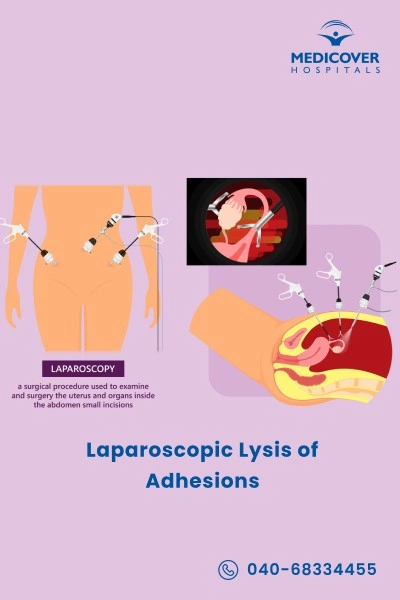
During the procedure, surgeons make small incisions and use a laparoscope (a thin tube with a camera) along with fine surgical instruments to carefully cut and remove the adhesions. This technique, also known as adhesion removal surgery, allows organs to move freely again, relieving symptoms and improving quality of life with faster recovery compared to open surgery.
Who Needs Laparoscopic Lysis of Adhesions?
Laparoscopic lysis of adhesions is advised when scar tissue starts affecting daily life. This minimally invasive surgery helps improve comfort, restore normal function, and lowers the risk of future problems. Laparoscopic surgery for adhesions is recommended for patients experiencing:
- Chronic abdominal or pelvic pain due to adhesions
- Intestinal or bowel obstruction caused by scar tissue
- Infertility linked to pelvic adhesions
- Pain or complications following previous abdominal or pelvic surgeries
- Adhesions limiting normal organ movement and function
This surgery helps reduce pain, restore fertility in some cases, improve digestive function, and prevent recurrent bowel blockages.
Types of Laparoscopic Lysis of Adhesions
The type of adhesion removal surgery depends on the severity, location and extent of scar tissue formation. Common types include:
- Simple Adhesiolysis: Removal of small or less complicated adhesions.
- Complex Adhesiolysis: Performed when adhesions are widespread, involving major abdominal or pelvic organs.
- Laparoscopic Pelvic Adhesiolysis: Focused on adhesions affecting female reproductive organs, often linked to infertility.
- Bowel Adhesiolysis: Performed when scar tissue causes partial or complete bowel obstruction.
By choosing a minimally invasive approach like laparoscopic adhesiolysis, patients benefit from smaller incisions, reduced pain, shorter hospital stays and quicker return to daily activities.
1-3 Hours
Surgery Duration
General Anesthesia
Anesthesia Used
4-6 Weeks
Full Recovery Timeline
Why Laparoscopic Lysis of Adhesions Is Done?
Laparoscopic lysis of adhesions, also called laparoscopic adhesiolysis, is performed to treat painful or problematic abdominal and pelvic adhesions. Adhesions are bands of scar tissue that can form after surgery, infections, or inflammation, causing organs to stick together. This can lead to chronic pain, bowel obstruction or infertility in women.
Doctors recommend adhesion removal surgery when non-surgical treatments like medications, dietary changes, or pain management do not provide relief, especially in cases of:
- Chronic abdominal or pelvic pain caused by scar tissue pulling on internal organs
- Bowel obstruction or intestinal blockage due to adhesions restricting food passage
- Infertility in women is linked to pelvic adhesions affecting the uterus, ovaries, or fallopian tubes
- Recurrent digestive issues such as bloating, constipation, or nausea related to adhesions
- Adhesions after multiple abdominal or pelvic surgeries (e.g., C-section, hysterectomy, appendectomy, bowel surgery)
- Adhesions causing restricted organ movement that interfere with daily activities or quality of life
- Failed conservative treatments where symptoms persist despite non-surgical management
Laparoscopic surgery for adhesions helps restore normal organ function, relieve pain and improve overall quality of life with a minimally invasive approach and faster recovery compared to open surgery.
How to Prepare for Laparoscopic Lysis of Adhesions?
Laparoscopic lysis of adhesions is a minimally invasive surgery used to treat abdominal adhesions that cause pain, bowel obstruction or infertility. Proper preparation before the procedure is essential for a safe and smooth recovery.
Start Planning Early
- Pre-operative appointments: In the weeks before laparoscopic adhesiolysis, your doctor may schedule blood tests, kidney and liver function tests, an ECG, chest X-ray, or abdominal imaging to assess your overall health.
- Medication list: Inform your surgeon about all medications, vitamins, and supplements you take. Blood thinners, aspirin, or certain herbal remedies may need to be stopped to lower bleeding risks.
Prepare Your Body and Living Space
- Home arrangements: Arrange help at home for the first few days after adhesion removal surgery. Stock up on groceries, medications, and household essentials so you can focus on recovery.
- Skin Preparation: The night before surgery, shower with an antiseptic soap as recommended by your doctor to reduce infection risk. Avoid lotions, creams, or perfumes.
- Clothing and Packing: Bring loose, comfortable clothes and only essentials like ID, medical records, and toiletries. Leave valuables at home.
Day Before & Day of Surgery
- Fasting: Typically, no food or drink is allowed after midnight before the surgery. You may take certain approved medications with a sip of water.
- Diabetic Management: If you have diabetes, check with your medical team for insulin or medication adjustments before laparoscopic surgery for adhesions.
- No Personal Items in Theatre: Remove jewellery, contact lenses, and makeup before the procedure.
Stay Informed and Prepared
- Discuss with Your Surgeon: Ask about the surgical approach, risks, expected hospital stay and recovery time after abdominal adhesion treatment. Being informed can ease anxiety.
- Post-surgery Care: Expect close monitoring after the procedure. Early walking and breathing exercises may be encouraged to support recovery and prevent complications.
Preparing well for laparoscopic lysis of adhesions helps ensure a safe surgery, smoother healing, and improved outcomes.
What Happens During the Laparoscopic Lysis of Adhesions Surgery?
Laparoscopic lysis of adhesions, also known as laparoscopic adhesiolysis, is a minimally invasive procedure used to remove scar tissue (adhesions) inside the abdomen that may cause pain, infertility, or bowel obstruction. Here is what typically happens during the surgery:
Before the Laparoscopic Lysis of Adhesions Surgery
- Pre-operative Assessment: Your medical team will perform tests such as blood work, imaging scans (like ultrasound, CT, or MRI), and physical evaluation to plan the laparoscopic adhesiolysis surgery safely.
- Medication Adjustments: If you are taking blood thinners (such as aspirin or warfarin), your doctor may ask you to stop them a few days before surgery to reduce bleeding risks.
- Anaesthesia Plan: Since this is a major abdominal procedure, you will be placed under general anaesthesia for comfort and safety.
How is the Laparoscopic Lysis of Adhesions Surgery Done?
- Anaesthesia: You'll be under general anaesthesia, and an IV line will be placed to give fluids and medications.
- Small Incisions: The surgeon makes a few tiny cuts in your abdomen to insert a laparoscope (a thin tube with a camera) and specialised surgical instruments.
- Visualisation: The laparoscope projects images of your abdominal organs on a screen, allowing the surgeon to locate the adhesions.
- Adhesion Removal: Using delicate instruments, the surgeon carefully separates or cuts the scar tissue, restoring normal movement of organs and reducing pain or obstruction.
- Minimally Invasive Technique: Unlike open surgery, laparoscopic surgery for adhesions involves smaller cuts, less pain, and faster recovery.
- Closure: Once the adhesions are removed, the instruments are taken out, and the small incisions are closed with sutures or surgical glue.
After the Surgery
- Recovery Room: You'll be monitored as the anaesthesia wears off. Most patients are observed for a few hours before moving to a regular ward.
- Pain Management: Mild discomfort at incision sites is common and managed with medications.
- Diet and Mobility: Clear liquids are introduced first, followed by light meals. Early walking is encouraged to prevent blood clots and support healing.
- Hospital Stay: Most patients undergoing laparoscopic adhesiolysis stay in the hospital for 1-3 days, depending on their condition.
Who Performs Laparoscopic Lysis of Adhesions?
Laparoscopic lysis of adhesions, also called laparoscopic adhesiolysis, is a specialised minimally invasive procedure performed by highly skilled general surgeons or laparoscopic surgeons. These experts are trained to carefully remove or separate scar tissue (adhesions) inside the abdomen to relieve pain, bowel obstruction, or fertility-related complications.
- Medical Background: A laparoscopic adhesiolysis surgeon first completes medical school, followed by a surgical residency program, gaining experience in general and gastrointestinal surgery.
- Specialisation in Laparoscopic Surgery: They undergo additional advanced training in minimally invasive techniques, where small incisions and specialised instruments are used to perform adhesion removal surgery safely and effectively.
- Expertise in Abdominal Adhesions Treatment: Many surgeons focus on complex cases involving bowel adhesions, pelvic adhesions, or post-surgical scar tissue, making them highly experienced in reducing risks during surgery.
- Further Sub-Specialisation: Some surgeons may also specialise in gynaecological laparoscopic adhesiolysis (for pelvic adhesions affecting fertility) or advanced gastrointestinal laparoscopic procedures for chronic abdominal pain and intestinal obstruction.
Choosing a qualified laparoscopic surgery expert ensures safer outcomes, quicker recovery and long-term relief from problems caused by adhesions.
Recovery After Laparoscopic Lysis of Adhesions
Recovery after laparoscopic lysis of adhesions is generally quicker than open surgery, as the procedure is minimally invasive. Most patients stay in the hospital for 1 to 3 days, depending on the severity of adhesions and overall health. Full recovery usually takes 2 to 6 weeks, but this may vary based on the individual.
What to Expect During Recovery?
- Pain and Discomfort: Mild abdominal pain, bloating or cramping is common and usually improves within a few days.
- Mobility: Light walking is encouraged soon after adhesion removal surgery to improve circulation and prevent blood clots.
- Diet: Patients may start with liquids and gradually move to solid foods as digestion returns to normal.
Wound Care & Activity Precautions
- Keep incision sites clean and dry; wash gently with mild soap and water.
- Avoid applying lotions, powders, or creams on the surgical wounds until they are fully healed.
- Do not lift heavy objects or engage in strenuous activity for at least 4 to 6 weeks after laparoscopic adhesiolysis surgery.
Gradual Return to Activity
- Most patients can resume driving, working, and sexual activity within 2 to 4 weeks, depending on comfort and the doctor's advice.
- Avoid swimming or soaking in tubs until wounds are completely healed.
Follow-Up & Long-Term Care
- Attend all scheduled follow-up appointments to monitor healing.
- Report any unusual symptoms like fever, severe abdominal pain, wound infection, nausea, or difficulty passing stool or gas.
Lifestyle Changes After Adhesion Surgery
- Eat a fibre-rich diet to support bowel health and prevent constipation.
- Stay hydrated and maintain a healthy weight.
- Avoid smoking and alcohol, as they may delay healing.
- Incorporate gentle exercises, yoga, or relaxation techniques to reduce stress and support long-term recovery.
Most patients return to normal routines within 4 to 6 weeks, but complete recovery from abdominal adhesion treatment may take longer, depending on age, general health, and extent of surgery.
Benefits of Laparoscopic Lysis of Adhesions
Laparoscopic lysis of adhesions offers several advantages for patients suffering from abdominal or pelvic adhesions. It is a minimally invasive surgery performed using small incisions and advanced instruments, which leads to faster recovery and fewer complications compared to open surgery.
Key benefits include:
- Relief from chronic abdominal or pelvic pain caused by adhesions.
- Improved bowel function by releasing intestinal blockages due to scar tissue.
- Enhanced fertility outcomes in women with pelvic adhesions affecting reproductive organs.
- Minimally invasive approach with smaller incisions, reduced scarring, and faster healing.
- Shorter hospital stay compared to open adhesion surgery.
- Faster return to daily activities with less discomfort.
- Better quality of life with reduced pain and improved digestive health.
What are the Risks of Laparoscopic Lysis of Adhesions?
While laparoscopic adhesiolysis surgery is generally safe and effective, there are some risks and possible complications. The likelihood of these depends on factors like the extent of adhesions, the patient's overall health, and the history of abdominal surgeries.
Common risks and complications of adhesion removal surgery may include:
- Infection at the incision sites or inside the abdomen.
- Bleeding during or after surgery may require medical intervention.
- Injury to nearby organs such as the intestines, bladder, or blood vessels.
- Bowel obstruction recurrence as new adhesions may sometimes form after surgery.
- Anaesthesia-related risks like breathing difficulties or allergic reactions.
- Temporary digestive issues such as bloating, constipation, or diarrhea.
- Blood clots (deep vein thrombosis) may occur if mobility is limited after surgery.
How Much Does Laparoscopic Lysis of Adhesions Cost?
At Medicover Hospitals, we understand that knowing the laparoscopic lysis of adhesions in advance helps patients and families plan better without unexpected financial stress. In India, the average adhesiolysis surgery cost typically ranges between Rs. 80,000 to Rs. 2,50,000, depending on the hospital, city, and complexity of the case.
Key Factors That Influence the Laparoscopic Lysis of Adhesions Cost
- Extent of Adhesions: More extensive or complex adhesions may increase the surgery time and overall expenses.
- Type of Procedure: Minimally invasive laparoscopic adhesiolysis may cost slightly more than open surgery due to advanced technology, but it ensures quicker recovery.
- Surgeon's Expertise: Highly experienced laparoscopic surgeons may have higher consultation and surgical fees.
- Hospital Facilities & Room Choice: Costs vary depending on whether you choose a general ward, semi-private, or private room.
- Pre-Surgery Tests: Blood tests, imaging (CT scan, ultrasound), and other investigations are often included in the final bill.
- Hospital Stay: Most patients stay for 2-5 days, and longer stays may add to the overall cost.
- Post-operative Care: Medications, pain management, follow-up visits and recovery support, which also affect the final cost.
 040 68334455
 WhatsApp
 Patient Portal
 Home Care