 Call
Call Chat for Appointment
 Patient Reports / Login
Best Gallbladder Removal Surgery (Cholecystectomy) Hospital with Expert Care
At Medicover Hospitals, you receive care from experienced general and gastrointestinal surgeons who perform cholecystectomy using minimally invasive techniques for safe treatment, less pain, and faster recovery. We focus on your comfort with personalized care and modern facilities for better digestive health.
Expert Surgeons
Successful Surgeries
Success Rate
What is a Gallbladder Removal Surgery (Cholecystectomy)?
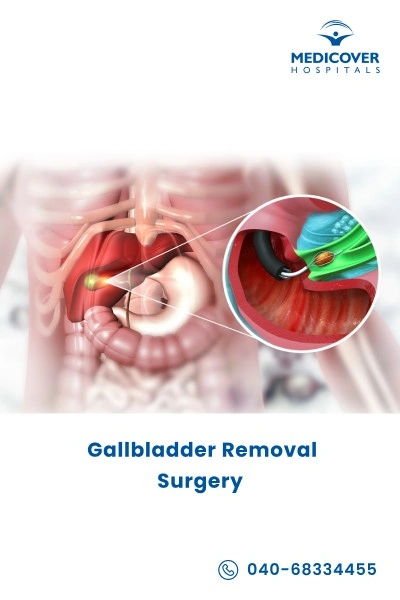
Gallbladder removal surgery, also called cholecystectomy, is done when someone has ongoing pain, gallstones, or infection. The gallbladder helps in digestion, but when it starts causing trouble, doctors suggest removing it as the right treatment. These days, the surgery is mostly done using small cuts, which means less pain and quicker recovery.
After the surgery, most people start feeling better and can get back to their normal routine in a few days. At Medicover Hospitals, doctors focus on making the treatment simple and comfortable for patients. With proper care and guidance, recovery becomes smooth and patients can return to their daily life without much difficulty.
Types of Gallbladder Removal Surgery Procedures
Gallbladder removal, or cholecystectomy, can be performed using different surgical methods depending on the patient's condition and the surgeon's recommendation. The two primary types are:
- Laparoscopic Cholecystectomy
- Open Cholecystectomy
Choosing the Right Method
The choice between laparoscopic and open cholecystectomy depends on several factors, including the severity of the gallbladder disease, the patient's overall health, and the surgeon's expertise. Most patients are candidates for the less invasive laparoscopic procedure, but open surgery may be necessary in specific cases.
Gallbladder Removal Surgery Specialists Near You
Find experienced surgeons for gallbladder removal surgery at Medicover Hospitals near you. Connect with skilled specialists in your city and book a consultation for safe, effective treatment and faster recovery. Get complete patient support from diagnosis to recovery.
Why Choose Medicover Hospitals for Gallbladder Removal Surgery?
Experienced Surgeons: Skilled surgeons with strong experience in adenoidectomy procedures.
Advanced Laparoscopic OT: Advanced operation theatres with modern laparoscopic systems ensure safe, precise gallbladder surgery and faster recovery.
Get a second opinion from trusted experts and makeconfident, informed decisions.
 Get Second Opinion
Complete Guide to Gallbladder Removal
Everything you need to know about the procedure, preparation, and recovery
Why Is Gallbladder Removal Surgery Done?
The goal of cholecystectomy is to stop recurring pain, prevent complications, and improve quality of life. While the gallbladder helps store bile, it is not essential. After removal, bile flows directly from the liver to the small intestine, and most people digest food normally.
Surgery is the most effective treatment for symptomatic gallbladder disease. Without it, attacks may continue and lead to serious problems like:
- Severe infection
- Bile duct blockage
- Jaundice
- Pancreatitis
- Gallbladder rupture
By removing the gallbladder, these risks are eliminated.
Who Needs Gallbladder Stone Removal Surgery?
You may need Gallbladder Stone Removal Surgery or cholecystectomy if you have symptoms caused by gallbladder disease that affect your daily life. This includes people who have had repeated episodes of pain, infection, or digestive discomfort after eating, especially fatty foods.
It is often recommended for adults, but sometimes performed in younger patients if gallbladder issues are confirmed. Your provider will consider your overall health, symptoms, and test results before suggesting surgery.
What Conditions Does Cholecystectomy Treat?
Cholecystectomy is performed to treat various gallbladder-related problems. These include:
- Gallstones (Cholelithiasis): Hardened deposits in the gallbladder that can block bile flow, causing pain and inflammation.
- Biliary Colic: Severe upper-right abdominal pain when a gallstone temporarily blocks a bile duct.
- Cholecystitis: Inflammation of the gallbladder, often due to a trapped gallstone. Acute cholecystitis is a medical emergency.
- Choledocholithiasis: Gallstones in the common bile duct, which can lead to jaundice or pancreatitis.
- Pancreatitis Caused by Gallstones: Inflammation of the pancreas due to a stone blocking the pancreatic duct.
- Gallbladder Polyps: Growths on the gallbladder wall that may increase cancer risk if large.
- Acalculous Gallbladder Disease: Gallbladder dysfunction causing pain without stones.
- Gallbladder Cancer: Rare, but surgery may be part of treatment if cancer is found or suspected.
In most cases, removing the gallbladder resolves symptoms, and people can return to normal digestion.
When would a Doctor Recommend Gallbladder Stone Removal Surgery?
Your provider may recommend cholecystectomy if:
- You have had one or more painful gallstone attacks
- Imaging confirms gallstones and your symptoms match
- You develop cholecystitis or bile duct blockage
- You have pancreatitis linked to gallstones
- You have large gallbladder polyps (usually over 10 mm)
- You have chronic pain and tests show your gallbladder isn't functioning well
Surgery is often advised after the first severe episode to prevent complications like infection, abscess, or perforation.
In emergencies such as acute cholecystitis, surgery may be done during the same hospital stay. In less urgent cases, you may schedule it as an outpatient procedure.
How to Prepare for the Gallbladder Removal Surgery?
Getting ready for gallbladder removal surgery starts before the day of your procedure. Proper preparation helps ensure your safety and a smooth experience.
Your care team will give you specific instructions based on your health and the type of surgery you're having most often laparoscopic cholecystectomy, a minimally invasive approach.
What Tests are Done Before Surgery?
Before your surgery, your provider may order one or more tests to make sure you're healthy enough for the procedure.
These may include:
- Blood tests to check liver function, kidney health, and blood clotting ability
- Abdominal ultrasound to confirm gallstones or inflammation in the gallbladder
- CT scan or MRI if more detailed imaging is needed
- Hepatobiliary iminodiacetic acid (HIDA) scan to evaluate how well your gallbladder is working
- Electrocardiogram (EKG) if you're older or have heart disease
These tests help your surgical team plan the safest approach and reduce the risk of complications.
Should I stop eating, drinking, or taking medicines before the procedure?
Yes, you must stop eating and drinking before surgery to prevent serious risks during anesthesia.
- Do not eat solid food for at least 8 hours before your procedure
- Stop drinking clear liquids 6 hours before surgery
- Clear liquids include water, black coffee, tea without milk, and clear broth avoid red or purple drinks
For medications:
- Take most of your regular medicines with a small sip of water on the morning of surgery, unless told otherwise
- Do not take diabetes medications or insulin unless your provider gives specific instructions
- Hold blood thinners such as warfarin clopidogrel, apixaban, or rivaroxaban only if your surgeon tells you to
- Avoid aspirin, ibuprofen, and other NSAIDs for several days before surgery unless approved
Never stop a medication without talking to your provider first.
How Is The Gallbladder Removal Procedure Performed?
There are two main ways to remove the gallbladder: laparoscopic cholecystectomy and open cholecystectomy. Most people have the laparoscopic approach because it offers less pain, faster healing, and shorter recovery.
Laparoscopic Cholecystectomy (Minimally Invasive Surgery)
This is the most common approach, involving small incisions and the use of a laparoscope, a tiny camera.
Step-by-Step Process:
- Anesthesia: You will be given general anesthesia, meaning you will be asleep and feel no pain during the procedure.
- Small Incisions: The surgeon makes 3-4 small cuts (about 0.5-1 cm each) in your abdomen.
- Insertion of Laparoscope and Instruments: A laparoscope (a thin tube with a camera and light) is inserted through one incision, allowing the surgeon to view the inside of your abdomen on a monitor. Special surgical instruments are inserted through the other incisions to perform the surgery.
- Inflating the Abdomen with Gas (Pneumoperitoneum): The abdomen is inflated with carbon dioxide gas to create space for better visibility and movement of instruments.
- Identifying and Clamping Key Structures: The surgeon locates the gallbladder and carefully separates it from the liver. The cystic duct (connecting the gallbladder to the bile duct) and cystic artery are clipped or sealed with surgical tools to prevent bleeding and bile leakage.
- Removing the Gallbladder: The gallbladder is detached from the liver and pulled out through one of the small incisions.
- Closing the Incisions: The gas is released, and the small cuts are closed with stitches, surgical glue, or steri-strips.
- Recovery: Since this is usually an outpatient procedure, most patients go home the same day.
Open Cholecystectomy (Traditional Surgery)
This method is less common and is used if there are complications (e.g., severe inflammation, infection, or scarring from previous surgeries).
Step-by-Step Process:
- Anesthesia: General anesthesia is administered.
- Large Incision: The surgeon makes a single, larger incision (about 4-6 inches) in the upper right abdomen, below the ribs.
- Direct Visualization and Removal: The surgeon moves muscles aside to directly see and access the gallbladder. The cystic duct and artery are clamped and cut. The gallbladder is carefully removed.
- Closing the Incision: The incision is closed with stitches or staples and covered with a bandage.
- Recovery: This method requires a hospital stay of 2 to 4 days and a longer recovery period.
Who performs the gallbladder removal procedure?
- Cholecystectomy is performed by a general surgeon, a doctor who specializes in abdominal surgeries. These surgeons have advanced training in both laparoscopic and open techniques.
- Your surgical team will include nurses and anesthesia providers who monitor your vital signs and keep you comfortable throughout the procedure.
- You will meet your surgeon before the operation to review the plan, ask questions and give your consent. They will explain why the surgery is needed and what to expect during recovery.
- In complex cases, a surgical specialist such as a hepatobiliary surgeon who focuses on liver, gallbladder and bile duct surgery may be involved.
What should I expect immediately after Gallbladder Stone Removal Surgery?
After surgery, you will be taken to a recovery area where nurses will monitor your breathing, heart rate, and alertness. You may feel groggy, drowsy, or nauseous from the anesthesia, which is normal and fades within a few hours.
You might have some soreness or pain in your abdomen and shoulders. The shoulder pain is caused by the carbon dioxide gas used during laparoscopic surgery to inflate the abdomen. It goes away in a day or two as your body absorbs the gas.
Bloating and mild cramping are common. You may also have a small amount of drainage from your incisions, which should be clear or light pink. A bandage will cover each site and can be removed as instructed.
Most people who have laparoscopic surgery go home the same day once they can drink fluids, walk, and manage pain with oral medicine. If you had open surgery, you would stay in the hospital for two to four days.
You will need someone to take you home and stay with you for at least the first 24 hours.
When can I return to normal activities after gallbladder removal surgery?
Recovery time after gallbladder removal surgery varies, but most people feel better within one to two weeks.
If you had laparoscopic surgery:
- You can walk the same day and are encouraged to move around to prevent blood clots
- You may return to light activities within a few days
- Most people go back to work within one to two weeks, especially if their job is not physical
- You can usually drive again after five to seven days when you are off pain medicine and can react quickly
- Avoid heavy lifting and strenuous exercise for at least two to four weeks
If you had open surgery:
- Recovery takes longer
- You may need two to six weeks before returning to work
- Full healing can take several weeks to a few months
Listen to your body. If you feel tired or weak take more rest. Pain that worsens or returns after improving is a sign to slow down and contact your provider.
Are lifestyle changes required after recovery from gallbladder removal?
Here are some changes you need to follow in life after gallbladder removal to help manage digestion and stay healthy:
- Adopt a low-fat diet: Avoid foods that are fried, greasy, or high in fat to prevent digestive discomfort.
- Eat smaller, frequent meals: This helps your body digest food more easily without the gallbladder.
- Stay hydrated: Drink plenty of water to support digestion and overall health.
- Limit high-fiber foods initially: Gradually reintroduce foods like beans and cabbage to avoid bloating.
- Avoid spicy or acidic foods: These can irritate the digestive system for some people.
- Maintain a healthy weight: Helps improve digestion and reduces the risk of other health issues.
- Exercise regularly: Light physical activity aids digestion and speeds up recovery.
- Track food reactions: Keep a food diary to identify and avoid items that cause discomfort.
Risks and Benefits of Gallbladder Removal Surgery
Gallbladder removal surgery, or cholecystectomy, is a common and effective treatment for painful or dangerous gallbladder conditions. For most people, the benefits far outweigh the risks. But like any surgery, it's important to understand both the positive outcomes and possible complications.
What are the benefits of this cholecystectomy?
Cholecystectomy provides lasting relief for people suffering from gallbladder disease.
Most patients experience:
- Complete end to painful gallstone attacks
- Relief from nausea, bloating, and digestive discomfort after eating
- Prevention of serious complications like infection, pancreatitis, or bile duct blockage
- Improved quality of life and ability to enjoy meals without fear of pain
- Quick recovery with laparoscopic surgery for most people
Once the gallbladder is removed, gallstones cannot come back. While your body adjusts to digesting food without a bile storage organ, most people adapt well and return to normal eating patterns within a few weeks.
For those with repeated episodes of biliary colic or acute cholecystitis, surgery is the best way to prevent future emergencies.
What are the risks and complications of cholecystectomy?
While complications are uncommon, they can occur with any surgery.
Possible risks include:
- Infection at the incision site or inside the abdomen
- Bleeding during or after surgery
- Bile leakage into the abdomen if a duct is not sealed properly
- Injury to the bile ducts, which may require additional surgery or procedures to repair
- Damage to nearby organs such as the intestine or liver (rare)
- Blood clots in the legs or lungs, especially if you are not moving after surgery
- Hernia at one of the incision sites is more common after open surgery
These risks are minimized when the surgery is performed by an experienced general surgeon and when you follow all pre- and post-op instructions.
In rare cases, long-term issues like chronic diarrhea or digestive discomfort may occur, but most people manage well with small dietary changes.
What are the side effects of cholecystectomy?
After gallbladder removal, it is normal to have temporary side effects.
You may experience:
- Soreness or pain in your abdomen and shoulders (from the gas used during laparoscopic surgery)
- Nausea or vomiting from anesthesia
- Bloating or gas
- Mild diarrhea or more frequent bowel movements
- Tiredness during the first few days
These side effects usually go away within a few days to a week. Shoulder and abdominal discomfort fade as your body absorbs the gas used during surgery.
Some people notice changes in digestion, especially after eating fatty or greasy foods. This is not a complication; it's part of how your body adjusts. Most find that symptoms improve over time with simple dietary changes.
Are there long-term disadvantages of gallbladder removal?
For most people, life after gallbladder removal is healthy and symptom-free. However, some may experience ongoing digestive changes. These are not complications but rather adjustments your body makes.
Possible long-term effects include:
- Difficulty digesting fatty or greasy foods
- Occasional bloating, gas, or mild stomach pain
- Diarrhea or frequent bowel movements, especially after meals
- Increased sensitivity to spicy or high-fat foods
- Need for long-term dietary adjustments
These issues are usually mild and manageable. Eating smaller meals, limiting fat, and staying hydrated can help. Very few people have serious or disabling symptoms.
Rare but serious risks like bile duct injury or bile leakage are typically identified and treated during or shortly after surgery.
How much does it cost to remove a gallbladder?
The price of gallbladder surgery (cholecystectomy) typically ranges from approximately Rs. 40,000 to Rs. 2,00,000. The exact cost depends on factors such as the type of procedure (laparoscopic or open), the hospital, the city or region, and additional aspects such as pre- and postoperative care. Among the options, laparoscopic cholecystectomy is the most frequently performed and generally the most cost-effective.
Patient Success Stories
Real experiences from patients who regained their mobility and quality of life
 Patient Review
""I had been suffering from gallstones for months and finally decided to go for surgery at Medicover. The doctors were very professional and explained everything clearly before the procedure. The surgery went smoothly, and I was able to walk the very next day. The hospital was clean, and the staff were caring throughout my stay.""
 Patient Review
""I was very nervous about getting my gallbladder removed, but the team at Medicover made me feel comfortable from the start. The surgeon was very experienced, and the procedure was done laparoscopically, so I had only small cuts and very little pain.""
Patient Review
""My mother underwent gallbladder removal surgery at Medicover last month. The doctors and nurses were so kind and supportive. They monitored her closely after the operation and guided us on diet and recovery. She is now doing absolutely fine and has no more gallbladder pain.""
Frequently Asked Questions
1. Can you live normally without a gallbladder?
Yes, you can live a normal life without a gallbladder. The liver still produces bile for digestion, and most people adapt well with minor or no long-term dietary changes.
2. Is gallbladder removal surgery (cholecystectomy) a major operation?
Yes, a cholecystectomy is considered a major surgery, usually done laparoscopically. It is safe and common, but like any operation, it carries risks such as infection, bleeding, or injury to nearby structures.
3. How will gallbladder removal affect my body?
After gallbladder removal, bile flows directly from the liver to the small intestine. Most people digest food normally, though some may experience mild diarrhea or difficulty digesting fatty foods for a short time.
4. What is the recovery time after gallbladder removal surgery?
Recovery time usually takes about 1 to 2 weeks for laparoscopic surgery and 4 to 6 weeks for open surgery. Most people can return to normal daily activities within a couple of weeks.
5. What foods should I eat after gallbladder removal?
Start with light foods like rice, dal, boiled vegetables, soups, and fruits. Choose low-fat meals, avoid oily or spicy food initially, and eat small, frequent meals for better digestion.
6. Will I still produce bile after gallbladder removal?
Yes, the liver continues to produce bile. Instead of being stored in the gallbladder, it flows directly into the intestine, which is usually enough for digestion.
7. What are the risks or side effects of gallbladder removal surgery?
Risks may include infection, bleeding, or mild digestive changes like loose stools or bloating. Most side effects are temporary and improve over time.


Feeling unwell?
Book Doctor Appointment in 30 Sec
