What is a Facelift (Rhytidectomy)?
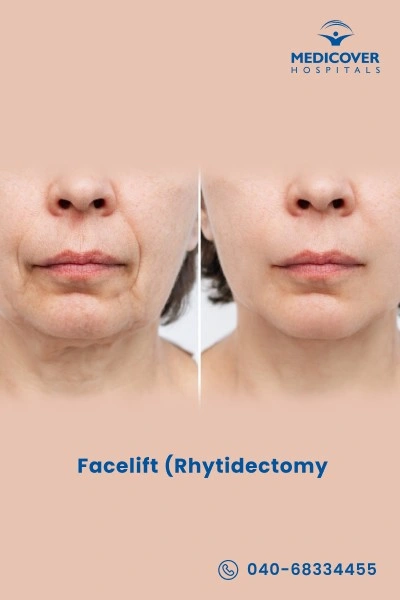
A facelift, also called a rhytidectomy, is a surgical procedure designed to reduce visible signs of aging on the face and neck. It works by tightening or removing excess skin, repositioning facial tissues, and addressing underlying fat or muscle to restore a more youthful appearance.
Facelifts can help improve:
- Sagging or loose skin on the face.
- Deep lines or folds running from the nose to the corners of the mouth.
- Loss or displacement of facial fat.
- Drooping cheeks or jawline (jowls).
- Excess skin or fat around the neck, including a "double chin."
It's important to know that facelifts are cosmetic procedures, they enhance your natural features but do not stop aging. They cannot fix superficial wrinkles, sun damage, or uneven skin tone. Each facelift is carefully tailored to the individual's face and goals, making every procedure unique.
Types of Facelifts
Facelifts can be customised based on the areas of your face and neck that need lifting or tightening. Knowing the types of facelifts can help you choose the right option.
- Traditional Facelift: Involves incisions around the ears, hairline, and under the chin. Skin and muscles are tightened, and excess fat is removed for a natural, youthful look.
- SMAS Facelift: Focuses on the lower face, tightening the facial muscles and trimming extra skin or fat in the cheeks and jawline.
- Deep Plane Facelift: Lifts the skin, fat, and muscle together as one unit, giving more natural results across multiple areas of the face.
- Mid-Facelift: Targets the cheeks by repositioning fat and tightening the skin for a lifted mid-face appearance.
- Mini-Facelift: A quicker, less invasive option for the lower face and neck, ideal for early signs of sagging.
- Cutaneous (Skin) Facelift: Focuses only on the skin, mainly around the lower face and neck.
Some patients combine facelifts with other procedures for overall facial rejuvenation:
- Eyelid lift (Blepharoplasty)
- Nose reshaping (Rhinoplasty)
- Brow lift
- Facial implants
- Dermal fillers (Liquid facelift)
- Jawline contouring
- Chemical peels
- Laser skin treatments
2 to 4 hours
Surgery Duration
General Anesthesia
Anesthesia Used
1 to 2 days
Hospital Stay
3 to 6 months
Full Recovery Timeline
When is a Facelift (Rhytidectomy) Recommended?
A facelift can significantly enhance your appearance and confidence when certain signs of aging affect your facial contours. Here are the main reasons people consider it:
- Sagging Skin on the Face and Neck: Over time, skin loses elasticity, causing drooping in the cheeks, jawline, or neck. A facelift tightens the skin and underlying tissues to restore a firmer, youthful look.
- Deep Lines and Folds: Prominent folds around the nose and mouth, or jowls along the jawline, can make the face look tired or aged. Facelift surgery smooths these areas for a refreshed appearance.
- Loss or Displacement of Facial Fat: Fat may shift downward with age, causing hollow cheeks or a less defined facial contour. Facelift procedures reposition fat to restore balance and volume.
- Excess Neck Skin or "Double Chin": Loose skin and fat under the chin or along the neck can be addressed during a facelift, improving the profile and jawline definition.
Facelifts are typically recommended for individuals seeking noticeable improvement in facial sagging and contours, while understanding that it enhances natural features rather than stopping the ageing process.
Preparing for Facelift (Rhytidectomy) Procedure
Getting ready for a facelift helps ensure a safe surgery and a smooth recovery.
Medical Check-Up
Your surgeon will review your medical history, medications & overall health. Routine tests like blood work or ECG may be done to confirm you're ready. Having results ready at least a week before surgery helps the team plan and address any concerns.
Healthy Habits Before Surgery
Stop smoking 4-6 weeks before surgery, as it slows healing. Avoid alcohol and medicines or supplements that can increase bleeding, like aspirin, NSAIDs, vitamin E, and certain herbal products. Eat balanced meals rich in protein, vitamins and minerals to support recovery.
Home and Support Preparation
Arrange for someone to drive you to & from the hospital and stay with you for the first day or two. Set up a recovery area with essentials like medications, water, pillows, snacks, and comfortable, loose clothing. Preparing simple meals ahead of time makes it easier to eat while resting.
Day Before and Day of Surgery
Follow fasting instructions, usually no food or drink after midnight. Take a shower if advised, and avoid lotions, perfumes, nail polish, or makeup. Wear comfortable, front-opening clothes and leave jewellery at home.
What Happens During Facelift (Rhytidectomy)?
Preparation & Anesthesia
On the day of surgery, you'll meet your surgical team to review the procedure and address any last-minute questions. General anesthesia is then administered so you remain asleep and comfortable throughout the surgery.
Incisions & Tissue Adjustment
The surgeon makes carefully placed incisions around the hairline and ears, depending on the areas being treated. Underlying facial muscles and tissues are gently lifted and tightened to restore a firmer, more youthful contour.
Removal of Excess Skin and Fat
Excess skin and fat are trimmed away and the remaining skin is smoothed and repositioned for a natural appearance. This step helps reduce sagging and restores facial balance.
Repositioning and Contouring
In areas like the cheeks, jawline, and neck, tissues are adjusted to enhance definition and improve symmetry, giving the face a rejuvenated look.
Closing the Incisions
The incisions are closed with sutures, and the surgeon may use skin adhesives or fine tapes to support healing. Dressings or light compression garments may be applied to minimize swelling and aid recovery.
Post-Surgery Recovery
After surgery, you are taken to a recovery area. Small drains may be used to prevent fluid buildup. Gentle movement is encouraged within the first day and follow-up care ensures a smooth healing process.
Recovery After Facelift (Rhytidectomy) Procedure
Recovering from a facelift is a gradual process and careful post-operative care plays a key role in achieving the best results.
First Few Days After Surgery
- During the initial days, expect swelling, bruising, and mild discomfort around your face and neck. These are normal signs of healing.
- Gentle walking and light movement help improve circulation and reduce the risk of complications.
- Avoid strenuous activity, heavy lifting, or bending forward. Keep your head slightly elevated while resting to ease swelling.
Doctor's Tip: "Swelling and tightness are expected. Take your medications on schedule and don't wait until pain increases before using them."
Weeks 2 to 4
- By the second to fourth week, bruising and swelling begin to fade, and mobility improves.
- Light activities, such as walking, reading and desk work, can usually be resumed.
- Follow your surgeon's instructions regarding face and neck movements, and avoid any exercises that strain facial muscles.
Doctor's Tip: "Gentle care and avoiding strain are crucial. Compression garments or bandages, if advised, support your healing tissues."
Weeks 5 to 6
- Most patients can return to work if it is not physically demanding.
- Facial contours start to look more natural as swelling continues to subside.
- Avoid intense facial exercises, heavy lifting, or vigorous physical activity until your surgeon approves, usually around 8 weeks post-surgery.
Doctor's Tip: "Even if you feel ready, your tissues are still healing. Gradually return to normal activity for safe recovery."
3 to 6 Months Post-Surgery
- Final results become more apparent as swelling fully resolves.
- Facial lines are smoother, skin feels firmer and the overall rejuvenated appearance is noticeable.
- Regular follow-ups help ensure proper healing and optimal results.
Benefits of Facelift Surgery
- Restores youthful facial contours: Facelift surgery lifts sagging skin, repositions underlying tissues, and removes excess fat to create a firmer, more natural facial appearance.
- Reduces deep folds and jowls: By tightening muscles and smoothing skin, a facelift softens prominent lines around the nose and mouth and improves jawline definition.
- Improves neck and lower face profile: Excess skin or fat under the chin and along the neck is addressed, giving a smoother, more balanced profile.
- Long-lasting results: While aging continues naturally, the surgical results are durable. Maintaining a healthy lifestyle helps preserve the rejuvenated appearance for years.
- Potential Risks: As with any surgery, facelift procedures carry some risks, including swelling, bruising, minor scarring, temporary numbness, or infection. Choosing a qualified surgeon and following post-operative care instructions minimizes complications and supports safe recovery.
Risks of Facelift (Rhytidectomy) Surgery
While facelift surgery offers many benefits, like any surgery, there are potential risks. It's important to be aware of these before making a decision.
- Infection
- Scarring
- Blood Clots
- Numbness
- Skin or tissue issues
- Fluid build-up (seroma)
- Anesthesia Risks
- Delayed Healing
What's the Average Cost of a Full Facelift?
The cost of a Facelift (Rhytidectomy) can vary depending on factors such as the complexity of the procedure, the surgeon's experience, and the hospital or clinic facilities. On average, facelift surgery may range from Rs. 1,50,000 to Rs. 4,00,000. Additional costs can include anesthesia, post-operative care, and any combination procedures if required.
 040 68334455
 WhatsApp
 Patient Portal
 Home Care