What Is Blepharoplasty?
Blepharoplasty, commonly known as eyelid surgery, is a surgical cosmetic procedure designed to improve the appearance or functionality of the eyelids. This procedure involves the removal of excess skin, muscle, or fat from the upper and/or lower eyelids.
Blepharoplasty can be performed for functional reasons, such as improving vision when drooping eyelid skin obstructs sight, or purely for aesthetic purposes, aiming to create a more youthful and refreshed appearance.
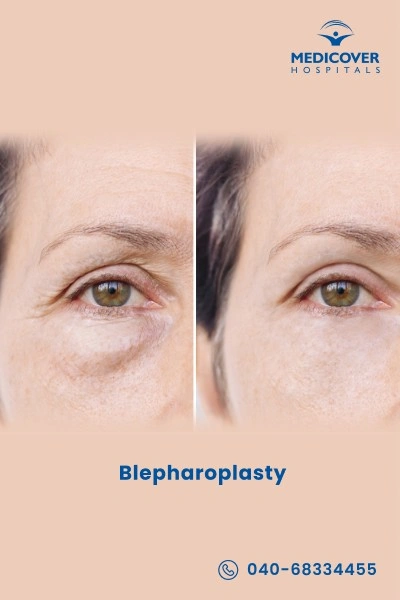
The procedure helps address issues such as sagging muscles, under-eye puffiness, and fat deposits around the eyes. Depending on individual needs and preferences, blepharoplasty surgery can be performed on the upper eyelid, lower eyelid, or both, providing both cosmetic and medical benefits.
Types of Blepharoplasty
Skilled plastic surgeons and ophthalmologists with expertise in facial aesthetics perform blepharoplasty. The procedure involves the meticulous removal or repositioning of skin, muscle, and fat tissues in the eyelid region. It can be categorised into two main types:
- Upper Blepharoplasty: This focuses on the upper eyelids and is commonly chosen to address drooping skin that may impair vision or create a tired appearance. During the procedure, excess skin and sometimes muscle are removed to create a smoother and more alert look.
- Lower Blepharoplasty: This type targets the lower eyelids and addresses concerns such as under-eye bags, puffiness, and fine lines. Surgeons may remove or redistribute excess fat, tighten lax skin, and occasionally reposition or reshape the underlying structures to achieve a harmonious aesthetic.
1 to 2 Hours
Surgery Duration
Local Anesthesia With Sedation
Anesthesia Used
3-6 Months
Full Recovery Timeline
Key Indications for Blepharoplasty Surgery
It is typically recommended for individuals who have specific concerns related to the appearance or functionality of their eyelids.
Here are the primary indications and purposes of blepharoplasty:
Cosmetic Surgery Enhancement
- Excess Skin and Wrinkles: Addresses sagging or excess skin on the upper and lower eyelids.
- Eye Bag Removal: Removes puffy under-eye bags caused by fat deposits.
- Fine Lines and Creases: Reduces the appearance of fine lines and wrinkles around the eyes.
- Aesthetic Balance: Improves the balance and proportions of the face by enhancing eye contours.
Functional Improvement
- Impaired Vision: Removes excess skin on the upper eyelids that may obstruct vision.
- Eye Irritation and Discomfort: Resolves discomfort from incomplete eyelid closure.
Correction of Congenital or Acquired Conditions
- Ptosis Correction: Corrects drooping upper eyelids due to weakened muscles.
- Ectropion or Entropion Repair: Treats outward-turning (ectropion) or inward-turning (entropion) eyelids.
Combination Procedures
- Facial Rejuvenation: Often combined with other procedures like facelifts or brow lifts.
- Gender Affirmation: Part of facial feminization or masculinization for transgender individuals.
When would a doctor recommend eyelid surgery?
A doctor may recommend upper or lower blepharoplasty when:
- Vision is obstructed by loose skin of the upper eyelids.
- Conservative measures (e.g., creams or non-surgical treatments) do not correct under-eye bags or drooping.
- Eyelid malpositions cause irritation, tearing, or incomplete eyelid closure.
- The patient desires aesthetic rejuvenation for a younger, refreshed appearance.
Who is blepharoplasty surgery for?
Blepharoplasty is recommended for:
- Adults with vision impairment caused by sagging upper eyelids.
- Individuals with cosmetic concerns, such as tired-looking or puffy eyes.
- Patients with eyelid disorders, including ptosis, ectropion, or entropion.
- Healthy candidates without uncontrolled medical conditions that may interfere with healing.
When Considering Blepharoplasty?
- Research qualified surgeons with proven track records.
- Schedule consultations to discuss your goals.
- Ask about the surgeon's background and qualifications.
- View before and after photos of previous patients.
- Choose a surgeon you feel comfortable with.
Preparing for Blepharoplasty (Eyelid Surgery)
Blepharoplasty, whether upper blepharoplasty or lower blepharoplasty, requires careful preparation to ensure safe surgery and a smooth recovery. Your surgeon will provide tailored instructions, but here are the most important aspects to know:
How should I prepare before the procedure?
- Consultation: Meet with a board-certified plastic surgeon or ophthalmic surgeon to discuss your goals, health history, and whether you need upper eyelid surgery, lower eyelid surgery, or both.
- Lifestyle Adjustments: Stop smoking at least 2-4 weeks before surgery to promote healing and reduce risks. Limit alcohol intake.
- Home Preparation: Prepare a comfortable recovery area at home with pillows for head elevation, cold compresses, and any prescribed ointments or medications. Arrange for someone to drive you home after surgery and help during the first 24-48 hours.
- Expectations: Your surgeon will explain blepharoplasty before and after results so you have a realistic understanding of recovery and cosmetic improvements.
What tests are done before blepharoplasty (Eyelid Surgery)?
Your surgeon may recommend:
- Vision and eye tests: To assess whether drooping eyelids are obstructing vision.
- Blood tests: To check overall health and ensure no issues with clotting or healing.
- Medical evaluation: Especially if you have conditions such as diabetes, thyroid disease, or high blood pressure, which may affect surgery or recovery.
Should I stop eating, drinking, or taking medicines?
- Fasting: If your blepharoplasty will be performed under general anesthesia, you'll be asked not to eat or drink for 6-8 hours before surgery. For procedures done under local anesthesia, instructions may be different.
- Medications: Stop taking blood thinners (such as aspirin, warfarin, or certain supplements like vitamin E, fish oil, or ginkgo) if directed by your doctor to reduce bleeding risks. Always confirm which medicines you can or cannot continue.
What happens before blepharoplasty surgery?
On the day of surgery:
- You'll arrive at the surgical center or hospital and check in.
- Your eyelids will be cleaned, and numbing drops or anesthesia will be administered (local or general, depending on your case).
- The surgical team will mark incision lines on the upper eyelid or lower eyelid area for precise results.
- Once everything is ready, the procedure begins.
Blepharoplasty Surgery Procedure
Here's a step-by-step overview of what typically happens during blepharoplasty:
Anesthesia
Depending on the complexity of the surgery and your personal health, your surgeon will recommend one of the following:
- Local Anesthesia with Sedation: The eyelid area is numbed, and you remain awake but relaxed.
- General Anesthesia: You are fully asleep during the procedure, especially for more extensive surgeries or combined procedures like a facelift.
Incision Placement
- Incision lines are carefully marked in the natural eyelid creases to minimize visible scars after healing.
- The type of blepharoplasty (upper or lower) determines where the incision is made.
Upper Eyelid Blepharoplasty Procedure Steps
- The surgeon makes an incision along the natural upper eyelid crease.
- Excess skin and, if needed, underlying muscle or fat are removed.
- The goal is to reduce excess skin and wrinkles that may impair vision or cause a tired appearance.
Lower Eyelid Blepharoplasty Procedure Steps
- The surgeon makes an incision just below the lash line or inside the eyelid (transconjunctival).
- Excess fat is either removed or repositioned to address eye bags and puffiness.
- Muscle tightening or skin removal may also be performed to improve the appearance of fine lines and sagging.
Tissue Adjustment and Incision Closure
- After removing or repositioning excess skin, fat, and muscle, the surgeon carefully adjusts the remaining tissues to achieve a natural look.
- The incisions are closed using fine sutures that typically dissolve or are removed during follow-up.
Post-Operative Care
- Cold compresses help reduce swelling and bruising during the initial recovery phase.
- Follow your surgeon's instructions carefully, including eye ointments, head elevation, and activity restrictions.
- Attend follow-up visits to monitor healing and assess the blepharoplasty before and after progress.
Each blepharoplasty surgery procedure is customized to the patient's anatomy and goals. An experienced surgeon ensures minimal scarring, effective correction of functional issues, and an aesthetically pleasing result.
Who Will Do the Blepharoplasty Procedure?
Blepharoplasty requires the expertise of a qualified medical professional. Depending on your needs, you may want to contact:
- Plastic Surgeon: Board-certified with experience in facial procedures.
- Oculoplastic Surgeon: Ophthalmologists with additional training in eye-area surgery.
- Facial Plastic Surgeon: Specializing in facial, head, and neck surgeries.
- Ophthalmologist: Some are trained to perform blepharoplasty, especially for functional reasons.
How to Recover After Blepharoplasty (Eyelid Surgery)?
Recovery after blepharoplasty requires careful attention to post-operative instructions. Here's what to expect:
Immediate Post-Op (First 24 Hours)
- Rest and relax with your head elevated.
- Apply cold compresses to reduce swelling.
- Have someone drive you home and stay with you.
First Week
- Expect swelling and bruising that will improve.
- Take prescribed medications as directed.
- Keep the surgical area clean.
- Avoid heavy lifting and strenuous activities.
- Attend follow-up appointments.
First Few Weeks
- May return to work in 1-2 weeks.
- Use light makeup as advised.
- Use artificial tears for dry eyes.
- Wear sunglasses outdoors.
First Few Months
- Full results may take weeks or months to show.
- Follow scar care instructions.
- Gradually return to strenuous activities.
- Use sunscreen and protect from sun damage.
Lifestyle Changes After Blepharoplasty Surgery
After blepharoplasty, certain lifestyle changes can promote healing and optimize results:
- Rest and Recovery: Take time to rest with your head elevated. Avoid strenuous activity early on.
- Medication Management: Take prescribed medications and avoid blood thinners unless approved.
- Sun Protection: Wear sunglasses with UV protection and apply sunscreen around the eyes.
- Gentle Skincare: Avoid makeup on incision sites until approved. Use mild products.
- Eye Protection: Wear sunglasses or eyeglasses to protect your eyes from wind and debris.
- Healthy Habits: Maintain a healthy lifestyle to support long-term results.
Benefits of Blepharoplasty Surgery
Blepharoplasty offers both cosmetic and functional improvements. The benefits of blepharoplasty surgery include:
- Enhanced Appearance: Removes droopy eyelids, puffiness, and under-eye bags, leading to a more youthful and refreshed look.
- Improved Vision: Corrects sagging upper eyelid skin that may block peripheral vision.
- Boost in Self-Confidence: Many patients feel more confident after seeing their blepharoplasty before and after results.
- Long-Lasting Results: The improvements in eyelid contour can last years, sometimes permanently.
- Better Facial Harmony: Can restore balance to the eyes and overall face, especially when combined with other procedures like a brow lift.
Risks and Complications of Blepharoplasty
As with any surgery, there are potential risks. The complications of blepharoplasty surgery may include:
- Bleeding or Infection: Rare but possible, as with any surgical procedure.
- Scarring: Typically minimal and hidden in eyelid creases, but scars can be visible in some cases.
- Asymmetry: Slight differences in eyelid appearance may occur.
- Dry Eyes or Irritation: Temporary or, rarely, prolonged dryness.
- Vision Problems: Rare risks include blurred vision or, very rarely, loss of vision.
- Difficulty Closing Eyes: Over-removal of skin can cause this, though experienced surgeons minimize the risk.
Side Effects of Blepharoplasty Surgery
Most blepharoplasty side effects are temporary and part of the normal healing process:
- Swelling and Bruising: Most noticeable during the first 1-2 weeks.
- Mild Pain or Discomfort: Usually controlled with prescribed or over-the-counter medication.
- Watery Eyes or Sensitivity: Often temporary and improves as healing progresses.
- Tightness of Eyelids: Common in the early recovery period.
- Temporary Blurred Vision: May occur due to ointments or swelling.
How much does Blepharoplasty Cost in India?
The cost of blepharoplasty in India typically ranges from Rs. 35,000 to Rs. 1,50,000, depending on factors such as the type of surgery, surgeon's expertise, hospital facilities, and the patient's medical condition. Upper eyelid surgery is usually less expensive, while lower eyelid, combined eyelid procedures, or specialized Asian blepharoplasty can be more costly.
Factors Affecting Cost:
- Type of Surgery: Upper, lower, and combined eyelid surgeries have different price points.
- Surgeon's Experience: Renowned and highly experienced surgeons may charge higher fees.
- Hospital/Clinic: Costs vary based on the hospital or clinic's facilities and reputation.
- Anesthesia: Local anesthesia with sedation is generally less expensive than general anesthesia.
- Patient's Condition: Pre-existing medical issues or the complexity of the procedure can influence the total cost.
 040 68334455
 WhatsApp
 Patient Portal
 Home Care