What Is an Abdominoplasty (Tummy Tuck)?
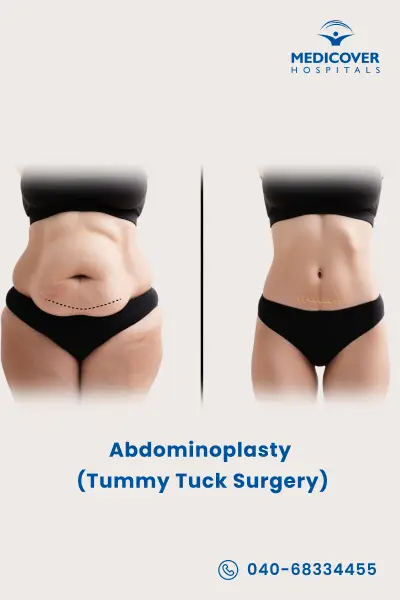
An abdominoplasty is commonly known as a tummy tuck, is a plastic surgery procedure that removes
excess skin and fat from the abdomen while also tightening the underlying abdominal muscles to
create a smoother, firmer stomach profile.
People often consider this surgery after pregnancy, significant weight loss, or aging, situations
that can lead to weakened abdominal muscles and loose skin that exercise alone can't fix. It’s
important to note that while abdominoplasty reshapes the body, it is not a substitute for weight
loss, nor does it stop future weight gain.
Types of Abdominoplasty
According to trusted medical resources, there are several types of abdominoplasty for different
body needs and aesthetic goals.
Full (Complete) Abdominoplasty
This involves a hip-to-hip incision across the lower abdomen. The surgeon removes excess skin and
fat, tightens weakened muscles, and repositions the belly button. It’s ideal for individuals
with loose tissue above and below the navel.
Mini (Partial) Abdominoplasty
A less invasive option targeting only the lower abdomen below the belly button. It involves a
smaller incision and faster recovery, good for those with minor sagging post-pregnancy or weight
loss.
Extended/High Lateral Tension Abdominoplasty
This adds contouring to the hips and flanks, with a longer incision. It offers enhanced shaping for
those with more extensive loose skin and requires a longer recovery time.
Fleur-de-Lis (T-Inverted) Abdominoplasty
Designed for patients who’ve experienced significant weight loss, this version involves both
horizontal and vertical incisions, shaping the midsection more dramatically but leaving a more
noticeable scar. Ideal when excess skin extends horizontally and vertically.
Circumferential (Belt Lipectomy)
This is also known as a lower body lift. This technique removes skin and fat from the entire
midsection, including the abdomen, flanks, and back. It's commonly used for patients post-massive weight loss.
Drainless Tummy Tuck
This method uses special quilting stitches to minimise fluid build-up, reducing or eliminating the
need for post-op drains. Many patients recover quicker and more comfortably afterwards.
Tummy Tuck with Liposuction ("Lipotuck")
Combines standard tummy tuck surgery with liposuction of the hips, thighs, or flanks. This provides
comprehensive contouring for a more sculpted silhouette.
2 to 5 hours
Surgery Duration
General anesthesia
Anesthesia Used
1 to 2 days
Hospital Stay
3 to 6 months
Full Recovery Timeline
When is Abdominoplasty Recommended?
Abdominoplasty, or tummy tuck, can be a life-changing procedure when certain conditions affect your comfort or confidence. Based on the latest clinical insights, here are the main reasons why patients consider it:
- Loose Abdominal Skin and Fat After Pregnancy, Weight Loss, or Aging: If loose skin or stubborn fat remains, despite a healthy diet and exercise, abdominoplasty offers a lasting solution by removing excess skin and tightening underlying muscles to reshape the waistline.
- Separated Abdominal Muscles (Rectus Diastasis): Many women develop abdominal muscle separation after pregnancy, leading to a soft, bulging midsection. Repairing this separation through abdominoplasty can help restore core strength and improve posture or back discomfort.
- Massive Weight Loss (Post-Bariatric Patients): Significant weight loss often leaves behind excess skin that affects mobility and hygiene. Abdominoplasty helps remove this "apron" of skin and restore a better body contour.
Preparing for Abdominoplasty Surgery Procedure
Preparing for your abdominoplasty surgery is a key part for a smooth surgery and a fast recovery.
Medical Evaluation & Pre-Op Visit
- Review your complete medical history, medications, and fitness level.
- Order routine tests like blood work, ECG, or abdominal imaging to confirm you're ready for surgery.
- Ensure all results are in hand at least one week before the operation, helping finalise scheduling and address any concerns.
Health Habits & Lifestyle Adjustments
- Quit smoking at least 4-6 weeks before surgery. Smoking delays healing and increases complications.
- Avoid alcohol and stop medications that can increase bleeding, such as aspirin, NSAIDs, vitamin E, and herbal supplements, for 2 weeks before surgery.
- Eat well-balanced meals, rich in protein, vitamins, and minerals to strengthen your body's recovery response.
Prepare Your Home and Support System
- Have someone reliable to drive you to/from the hospital and stay with you for the first 24-48 hours.
- Set up a recovery station stocked with essentials, such as water, medications, pillows, loose-fitting button-down clothing, and snacks, within easy reach.
- Prepare meals and freeze them in advance, so nourishing food is easy to access even when mobility is limited.
The Day Before & Day of Surgery
- The night before surgery, follow fasting instructions, usually no food or drink after midnight to avoid complications during anesthesia.
- Follow your surgeon's instructions for bathing, use antiseptic soap if directed, and avoid lotions, perfumes, and nail polish.
- Dress in comfortable, front-opening clothes and avoid jewellery or makeup when heading into surgery.
What Happens During Abdominoplasty Surgery?
During abdominoplasty surgery, or a "tummy tuck," several important steps happen to help flatten and firm your abdomen. The whole process is done with your safety and comfort in mind. Here's what you can usually expect, explained in simple language so you know what to anticipate:
Preparation & Anesthesia
You'll first meet your surgical team on the day of surgery to go over everything one more time. Once in the operating room, general anesthesia is administered so you're asleep and comfortable throughout the procedure.
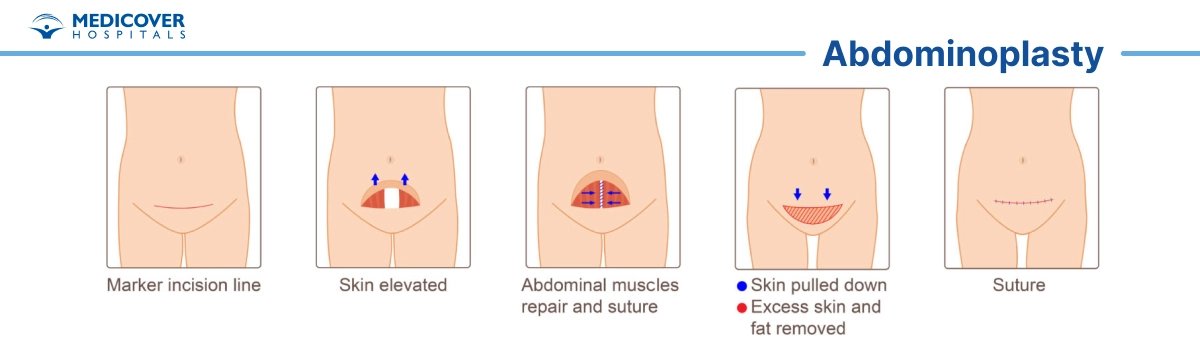
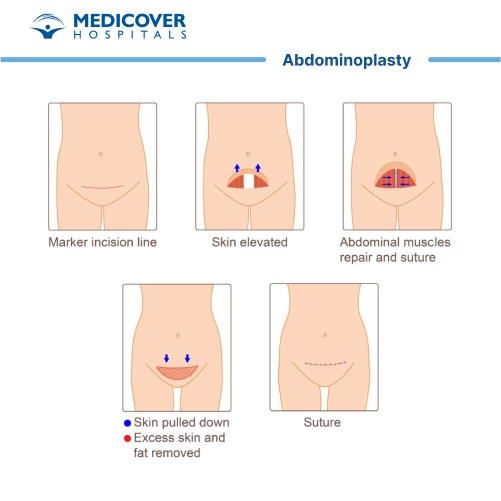
Incisions & Muscle Repair
The surgeon makes a low horizontal incision just above the pubic area (hidden beneath underwear), and sometimes a second, small opening around the belly button. The skin is lifted upward, exposing the underlying muscles, which are then stitched together to tighten the abdominal wall and create a firmer core.
Removal of Excess Skin & Fat
Next, any extra skin and fat are trimmed away. The remaining skin is pulled down snugly and sutured into place. It feels like a "window shade" being smoothly lowered and secured.
Belly Button Repositioning
Your belly button is carefully repositioned through a new hole so it appears natural and centred after the tightened skin is re-draped.
Closing the Incisions
The surgeon closes the incisions using sutures and may reinforce them with skin adhesive, tape, or clips. Compression garments are often applied to support the abdominal area and aid healing.
Optional Liposuction
In many cases, liposuction is performed to shape the transition areas around the abdomen for a smoother look.
After surgery, you'll be taken to a recovery area. Small drains may be placed to remove any fluid buildup. You'll likely be up walking within a day to help circulation and reduce risks. Compression garments and gentle movement are encouraged during the early recovery period.
Recovery After Tummy Tuck Surgery Procedure
Recovering from a tummy tuck (abdominoplasty) is a step-by-step process, and real care makes all the difference.
First Few Days After Surgery
- In the first few days, expect swelling, tightness, and discomfort around your abdomen. These are entirely normal and part of your body's healing process.
- Walking gently, even just short laps around the room, boosts circulation and helps prevent complications like blood clots.
- Avoid bending or lifting heavy items, and rest as much as your body needs, with your upper body slightly elevated for added comfort.
Doctor's Tip: "Pain and tightness are expected. Follow your prescribed medication schedule, and don't wait for pain to become severe before taking them."
Weeks 2 to 4
- By weeks 2 to 4, soreness and swelling should start to ease. You'll likely feel more mobile and may begin light, everyday activities.
- It remains important to wear your compression garment consistently, as it supports your healing tissues and helps reduce swelling.
- During this period, resume low-impact tasks like gentle walking, simple household chores, and desk-related work, with your surgeon's clearance.
Doctor's Tip: "The compression garment is your best friend during recovery. Wearing it as advised will speed up healing and improve contour results."
Weeks 5 to 6
- Around weeks 5 to 6, most patients can return to work (especially if it's not physically demanding) and introduce light activity.
- You'll start seeing the new shape take hold as swelling continues to go down.
- However, hold off on core-strengthening exercises, such as sit-ups, planks, or heavy lifting, until your doctor gives the green light, typically around 8 weeks post-op.
Doctor's Tip: "Even if you feel stronger, your internal tissues are still healing. Give your body time before resuming strenuous activities."
3 to 6 Months Post-Surgery
- Final results become more visible as swelling fully subsides.
- Abdominal contours are more defined, and the healing process is mostly complete.
Benefits of Abdominoplasty Surgery
- Restores abdominal tone and shape: Abdominoplasty removes excess skin and tightens muscles, recreating a firmer, more contoured abdomen, especially effective after pregnancy or significant weight loss.
- Improves posture and back support: Strengthening weakened abdominal muscles reduces strain on your back, easing chronic discomfort.
Helps with urinary control: By repairing muscle separation (diastasis recti), the procedure has been shown to alleviate mild urinary incontinence.
- Long-lasting results: Since the excess tissue is surgically removed, results are generally durable though maintaining a stable weight and avoiding future pregnancies supports longevity.
Risks of Abdominoplasty Surgery
While abdominoplasty offers many benefits, like any surgery, there are potential risks. It's important to be aware of these before making a decision.
- Infection
- Scarring
- Risks of blood clots (DVT)
- Numbness or altered sensation
- Skin Necrosis
- Fluid build-up (seroma)
- Anesthesia Risks
- Poor Healing
How much does a Abdominoplasty Or Tummy Tuck Cost?
The Cost of Abdominoplasty Surgery typically varies based on the complexity of the procedure, the surgeon's experience, and the facility's amenities. A standard full tummy tuck generally costs between Rs. 90,000 to Rs. 2,50,000.
 040 68334455
 WhatsApp
 Patient Portal
 Home Care