 Call
 Patient Reports
Trauma Surgery Doctors in WC Hyderabad

Dr Shighakolli Ramesh

Dr Sravya Challa
- Experienced trauma surgeons available 24/7 for emergency surgical care.
- Rapid trauma assessment and immediate intervention for life-threatening injuries.
- Dedicated trauma operation theatres equipped with advanced surgical technology.
- Multidisciplinary collaboration with orthopaedics, neurosurgery, vascular surgery, plastic surgery, and critical care specialists.
- Individualised treatment plans tailored to every patient's condition.
- Comprehensive post-operative care and rehabilitation support.
- Focus on faster recovery, reduced complications, and improved long-term outcomes.
- Head injuries
- Spinal injuries
- Chest trauma
- Abdominal trauma
- Pelvic injuries
- Internal bleeding
- Polytrauma
- Multiple fractures and dislocations
- Crush injuries
- Complex soft tissue injuries
- Emergency Trauma Surgery: Immediate surgical treatment for life-threatening traumatic injuries requiring urgent intervention.
- Exploratory Laparotomy: Emergency surgery to diagnose and treat abdominal injuries, internal bleeding, and organ damage.
- Thoracotomy: Surgical management of severe chest trauma involving the lungs, heart, or major blood vessels.
- Chest Tube Insertion: Emergency procedure to remove air or fluid from the chest cavity and improve breathing.
- Open Reduction and Internal Fixation (ORIF): Surgical repair and stabilisation of complex fractures using plates, screws, or rods.
- External Fixation: Temporary stabilisation of severe fractures before definitive surgical reconstruction.
- FAST Ultrasound: Rapid bedside assessment for detecting internal bleeding.
- Advanced CT Trauma Imaging: High-resolution imaging for evaluating head, chest, abdominal, pelvic, and spinal injuries.
- Digital X-ray Systems: Immediate diagnosis of fractures, dislocations, and skeletal trauma.
- Dedicated Trauma Operation Theatre: Fully equipped operating rooms for emergency trauma procedures.
- Emergency ICU and Advanced Critical Care Monitoring: Continuous monitoring and specialised support for critically injured patients.
- FAST Ultrasound: Emergency bedside assessment for internal bleeding and abdominal injuries.
- CT Trauma Scan: Comprehensive imaging for evaluating multiple traumatic injuries.
- Digital X-rays: Assessment of fractures, dislocations, and skeletal trauma.
- Emergency Laboratory Investigations: Blood tests supporting diagnosis, surgical planning, and trauma management.
- Rapid emergency assessment and patient stabilisation.
- Comprehensive diagnostic evaluation.
- Discussion of surgical and non-surgical treatment options.
- Continuous monitoring and post-operative care.
- Recovery planning and rehabilitation guidance.
Specialized Trauma Surgeons for Critical Injury and Emergency Surgical Care in W&C Hyderabad, HITEC City
At Medicover Hospitals, W&C Hyderabad, HITEC City, our trauma surgeons provide prompt evaluation and specialised surgical management for patients experiencing serious injuries caused by road traffic accidents, falls, workplace incidents, sports-related trauma, and other emergencies. Our specialists follow established trauma care protocols and use advanced surgical approaches to support timely treatment, stabilisation, and recovery for patients with critical injuries.
Severe trauma requires immediate assessment, accurate diagnosis, and appropriate intervention to reduce the risk of complications. Our trauma surgery team works closely with emergency physicians, orthopaedic surgeons, neurosurgeons, vascular surgeons, plastic surgeons, and critical care specialists to coordinate care from initial emergency stabilisation and surgery through recovery and rehabilitation.
Why Choose Our Trauma Surgeons for Emergency Injury Care?
Medicover Hospitals provides specialised trauma services supported by experienced surgeons, advanced emergency facilities, and coordinated multidisciplinary care for patients with a wide range of traumatic injuries, including complex and life-threatening conditions.
Conditions Managed by Our Trauma Surgeons
Our trauma surgeons assess and manage various traumatic conditions that require urgent medical attention, surgical intervention, or specialised monitoring to support patient stabilisation and recovery.
Treatments and Surgical Procedures Offered by Our Trauma Surgeons
Our trauma surgeons provide emergency surgical procedures and injury management using established techniques to stabilise critically injured patients, control bleeding, repair damaged tissues and organs, manage complex fractures, and support restoration of function following severe trauma.
Advanced Trauma Technologies Supporting Emergency Surgical Care
Our trauma specialists use modern diagnostic systems and advanced emergency technologies to support rapid injury assessment, accurate diagnosis, surgical decision-making, and continuous monitoring of patients with serious traumatic conditions.
Diagnostic Evaluation for Traumatic Injuries
Accurate and timely diagnosis plays an important role in emergency trauma management. Our specialists use appropriate imaging studies and laboratory investigations to identify the severity of injuries, assess internal damage, and guide immediate treatment and surgical decisions.
What Should You Expect During Trauma Care?
Our trauma surgeons begin with an immediate clinical assessment and stabilisation of the patient, followed by appropriate diagnostic investigations to determine the nature and severity of the injuries. Based on the findings, an individualised treatment plan is developed, which may include emergency surgery, intensive care, supportive treatment, rehabilitation, and follow-up monitoring to promote recovery and reduce potential complications.
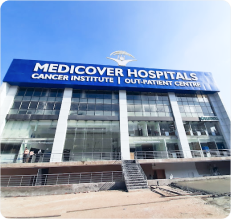
Our Hospitals in Telangana






Popular Searches
Frequently Asked Questions
Trauma surgery is a specialised field of surgery that focuses on the emergency treatment of serious injuries caused by road accidents, falls, workplace incidents, sports injuries, and other traumatic events.
You should seek immediate medical attention if you have severe pain, uncontrolled bleeding, suspected fractures, head injury, chest or abdominal trauma, difficulty breathing, or loss of consciousness after an accident.
Yes. Trauma surgeons are trained to manage patients with multiple injuries and work with specialists from orthopaedics, neurosurgery, vascular surgery, plastic surgery, and critical care to provide comprehensive treatment.
Traumatic injuries are evaluated using physical examination, FAST ultrasound, CT scans, digital X-rays, MRI (when required), and laboratory investigations to determine the extent of the injuries.
Common procedures include emergency trauma surgery, exploratory laparotomy, thoracotomy, chest tube insertion, fracture stabilisation, wound repair, and surgical management of internal bleeding.
After surgery, patients receive close monitoring, pain management, wound care, rehabilitation, physiotherapy when needed, and regular follow-up to ensure proper healing and recovery.
Yes. Trauma surgeons manage complex fractures, internal bleeding, chest injuries, abdominal injuries, pelvic trauma, and other life-threatening conditions caused by severe accidents.
Recovery depends on the type and severity of the injury, the surgical procedure performed, and the patient's overall health. Some patients recover within weeks, while others may require several months of rehabilitation.
Following traffic safety rules, wearing helmets and seat belts, using protective equipment at work and during sports, and taking precautions to prevent falls can significantly reduce the risk of traumatic injuries.
You should consult a trauma surgeon immediately if you experience serious injuries after a road accident, fall, workplace injury, sports injury, heavy bleeding, suspected fractures, head injury, chest or abdominal trauma, spinal injury, or any emergency requiring urgent surgical evaluation.


