 Call
Call Patient Reports
Trauma Surgery Doctors in Chh. Sambhaji Nagar

Dr Krishna Bharat Anerao
- Specialist trauma surgeons trained to manage complex emergency injuries.
- Round-the-clock emergency support for patients requiring urgent attention.
- Rapid assessment and stabilisation during critical trauma situations.
- Modern surgical facilities for emergency and complex trauma procedures.
- Coordinated multidisciplinary management for patients with multiple injuries.
- Advanced imaging facilities to identify hidden and internal injuries.
- Individual treatment strategies based on the patient's clinical condition.
- Structured post-treatment monitoring and rehabilitation guidance.
- Head injuries
- Chest and thoracic injuries
- Spinal injuries
- Abdominal and internal organ trauma
- Pelvic and hip injuries
- Internal bleeding
- Polytrauma involving multiple body systems
- Complex fractures and dislocations
- Crush and compression injuries
- Severe wounds and soft tissue trauma
- Emergency Trauma Surgery: Urgent operative management for injuries that pose an immediate threat to life or organ function.
- Exploratory Laparotomy: Surgical examination and treatment of significant abdominal injuries, internal bleeding, and damaged organs.
- Thoracotomy: Emergency chest surgery for selected severe injuries affecting the lungs, heart, or major blood vessels.
- Chest Tube Insertion: Drainage of accumulated air or fluid from the chest cavity to support breathing and lung expansion.
- Open Reduction and Internal Fixation (ORIF): Surgical correction and stabilisation of complex fractures using plates, screws, rods, or other fixation devices.
- External Fixation: Temporary fracture stabilisation using an external frame when immediate definitive reconstruction is not appropriate.
- FAST Ultrasound: Rapid bedside examination for suspected internal bleeding during emergency assessment.
- CT Trauma Imaging: Detailed evaluation of complex injuries affecting the head, chest, abdomen, pelvis, and spine.
- Digital X-ray: Quick identification of fractures, dislocations, and other skeletal injuries.
- Trauma Operation Theatre: Specialised surgical facilities for urgent trauma procedures.
- Emergency ICU and Critical Monitoring: Continuous monitoring and supportive care for patients with severe or unstable injuries.
- FAST Ultrasound: Bedside screening for suspected abdominal trauma and internal bleeding.
- CT Trauma Scan: Comprehensive imaging for patients with suspected complex or multiple injuries.
- Digital X-rays: Imaging of bones and joints to identify fractures and dislocations.
- Emergency Laboratory Tests: Blood investigations that assist with patient assessment, surgical preparation, and ongoing treatment.
- Immediate clinical assessment and emergency stabilisation.
- Rapid identification of injuries through appropriate diagnostic investigations.
- Evaluation of surgical and non-surgical treatment options.
- Continuous observation following emergency treatment or surgery.
- Critical care support for patients with severe trauma when required.
- Rehabilitation planning and follow-up to support recovery and functional improvement.
Leading Trauma Surgeons for Urgent Injury Management in Chhatrapati Sambhaji Nagar
At Medicover Hospitals, our trauma surgeons deliver specialised emergency care for patients suffering from serious injuries due to road accidents, falls, industrial incidents, sports-related trauma, and other unexpected emergencies. Our specialists quickly assess the patient's condition and provide appropriate surgical or non-surgical treatment according to the nature and severity of the injury.
Major trauma can involve several organs, bones, blood vessels, and soft tissues, making coordinated medical care essential. Our trauma specialists work as part of a multidisciplinary team that includes emergency physicians, orthopaedic surgeons, neurosurgeons, vascular surgeons, plastic surgeons, anaesthesia specialists, and critical care professionals to support patients throughout emergency treatment, surgery, recovery, and rehabilitation.
Why Patients Choose Medicover Hospitals for Trauma Care in Chhatrapati Sambhaji Nagar
Medicover Hospitals provides comprehensive trauma management supported by specialist surgeons, emergency facilities, advanced diagnostic services, and critical care capabilities. Treatment is planned according to the patient's injury pattern, medical condition, and immediate healthcare requirements.
Trauma Conditions Treated by Our Surgical Team
Our trauma specialists manage injuries ranging from isolated wounds and fractures to severe multiple-system trauma. Early evaluation helps determine the extent of damage and the appropriate course of treatment.
Surgical Treatments Available for Serious Traumatic Injuries
Our trauma surgeons use appropriate emergency surgical techniques to address life-threatening injuries, control bleeding, repair damaged tissues, treat organ injuries, and stabilise fractures. The treatment approach is determined after assessing the patient's overall condition and injury severity.
Technology and Critical Care Support for Trauma Management
Advanced diagnostic and monitoring systems help our trauma specialists evaluate injuries efficiently and plan appropriate treatment. These technologies support emergency decision-making as well as continuous observation of patients with serious trauma.
Emergency Diagnostic Evaluation for Trauma Patients
Timely investigations are an important part of trauma management. Our specialists use clinical examination, imaging, and laboratory testing to identify both visible and internal injuries and determine the appropriate treatment pathway.
From Emergency Stabilisation to Recovery: What Patients Can Expect
Trauma treatment begins with an immediate assessment of vital functions and potentially life-threatening injuries. After stabilisation, our specialists perform the necessary investigations and determine whether surgery, observation, intensive care, or other treatment is required. Patients may receive continued monitoring, rehabilitation support, and follow-up care according to their recovery needs.
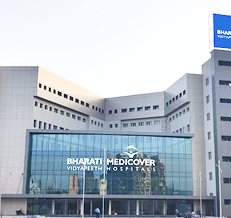
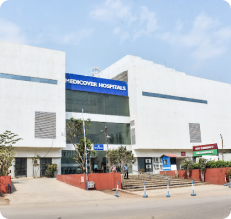
Our Hospitals in Maharashtra



Popular Searches
Frequently Asked Questions
Trauma surgeons manage emergencies such as road traffic accidents, falls, industrial injuries, severe fractures, internal bleeding, head injuries, chest trauma, abdominal injuries, and other life-threatening traumatic conditions.
The trauma team first checks the patient's airway, breathing, and circulation, followed by a physical examination, imaging tests, and laboratory investigations to identify injuries quickly.
Yes. Trauma surgeons are trained to manage injuries involving multiple organs and body systems while coordinating care with specialists from different departments.
Emergency trauma surgery is performed immediately to stop severe bleeding, repair damaged organs, stabilise fractures, and treat life-threatening injuries caused by trauma.
No. Some injuries can be managed with medications, observation, wound care, splints, or other non-surgical treatments. Surgery is recommended only when medically necessary.
Complex fractures may be stabilised using external fixation initially, followed by definitive surgical repair with plates, screws, or rods once the patient is stable.
Many patients recover well with timely medical care, appropriate surgery when needed, rehabilitation, and regular follow-up. Recovery depends on the severity of the injuries and overall health.
Rehabilitation helps restore strength, mobility, balance, and daily function while reducing pain, stiffness, and the risk of long-term disability.
Yes. Trauma surgeons frequently collaborate with orthopaedic surgeons, neurosurgeons, vascular surgeons, plastic surgeons, anaesthesiologists, emergency physicians, and critical care specialists to provide comprehensive care.
You should seek immediate medical attention from a trauma surgeon if you experience severe injuries after a road accident, fall, workplace accident, sports injury, heavy bleeding, suspected fractures, head injury, chest or abdominal trauma, spinal injury, or any emergency requiring urgent surgical evaluation.


