 Call
Call Patient Reports
Trauma Surgery Doctors in Visakhapatnam

Dr Praveen Sodavarapu

Dr Gorle Prudhvi Chand
- Trauma specialists experienced in evaluating serious and complex injuries.
- Round-the-clock emergency support for patients requiring urgent medical attention.
- Rapid clinical assessment to identify potentially life-threatening injuries.
- Access to surgical facilities designed for emergency and trauma procedures.
- Coordination between surgical, emergency, and critical care specialists.
- Advanced imaging facilities to assess internal and musculoskeletal injuries.
- Individualised treatment strategies based on the patient's clinical condition.
- Post-surgical monitoring, recovery guidance, and rehabilitation support.
- Head injuries
- Spinal and back injuries
- Blunt and penetrating chest trauma
- Abdominal and internal organ injuries
- Pelvic and hip trauma
- Multiple fractures and traumatic dislocations
- Internal bleeding
- Polytrauma involving multiple body systems
- Crush and compression injuries
- Extensive soft tissue and traumatic wounds
- Emergency Trauma Surgery: Urgent surgical management for severe injuries that threaten life or vital organ function.
- Exploratory Laparotomy: Surgical exploration and treatment of abdominal trauma, internal bleeding, and injured abdominal organs.
- Thoracotomy: Emergency chest surgery for selected severe injuries involving the lungs, heart, or major blood vessels.
- Chest Tube Insertion: Placement of a chest drain to remove accumulated air or fluid and support breathing in appropriate trauma cases.
- Open Reduction and Internal Fixation (ORIF): Surgical alignment and fixation of selected complex fractures using appropriate implants.
- External Fixation: Temporary stabilisation of unstable or severely damaged fractures before definitive surgical treatment.
- FAST Ultrasound: Bedside examination used to identify signs of internal bleeding in appropriate trauma cases.
- CT Trauma Imaging: Detailed cross-sectional imaging for assessing injuries involving the head, chest, abdomen, pelvis, and spine.
- Digital X-ray Systems: Rapid imaging for identifying fractures, dislocations, and other skeletal injuries.
- Dedicated Trauma Operation Theatre: Specialised surgical infrastructure for managing patients requiring urgent operative treatment.
- Emergency ICU Monitoring: Continuous observation and critical care support for patients with severe or unstable injuries.
- FAST Ultrasound: Rapid bedside assessment for suspected internal bleeding and abdominal trauma.
- CT Trauma Scan: Detailed evaluation of injuries affecting multiple regions of the body.
- Digital X-rays: Assessment of fractures, dislocations, and other bone-related injuries.
- Emergency Blood Investigations: Laboratory testing to assess blood loss, organ function, and other factors relevant to trauma treatment.
- Initial assessment and stabilisation of the injured patient.
- Evaluation of visible and suspected internal injuries.
- Selection of appropriate imaging and laboratory investigations.
- Planning of emergency surgery or non-operative treatment when suitable.
- Ongoing monitoring during recovery and post-operative care.
- Rehabilitation advice and follow-up based on the patient's recovery needs.
Specialised Trauma and Emergency Surgery Services in Vizag
Medicover Hospitals provides specialised trauma and emergency surgical care in Vizag for patients who experience serious injuries following road accidents, falls, industrial incidents, sports-related trauma, and other emergencies. Our trauma surgeons assess critical injuries promptly and determine the appropriate medical or surgical intervention based on the patient's condition.
Severe trauma can affect multiple organs and body systems and may require immediate coordinated management. At Medicover Hospitals, trauma specialists work alongside emergency physicians, orthopaedic surgeons, neurosurgeons, vascular surgeons, plastic surgeons, anaesthesia teams, and critical care specialists to provide continuous care from initial stabilisation through recovery.
Why Patients Choose Medicover Hospitals for Trauma Care in Vizag
Medicover Hospitals provides structured emergency trauma services supported by specialist teams, diagnostic facilities, surgical infrastructure, and critical care services. Each patient is evaluated according to the severity, location, and complexity of the injury to determine the most appropriate treatment approach.
Traumatic Injuries Evaluated and Treated by Our Specialists
Our trauma surgery team manages injuries ranging from isolated wounds and fractures to complex trauma involving multiple organs or body regions. The treatment approach is determined after assessing the mechanism of injury, physical findings, and diagnostic results.
Emergency Surgical Procedures Available at Medicover Hospitals
Medicover Hospitals provides surgical management for traumatic injuries when immediate intervention is required. Procedures are selected according to the affected body part, extent of tissue damage, blood loss, and overall stability of the patient.
Modern Trauma Care Technology Supporting Emergency Treatment in Vizag
Advanced diagnostic and critical care technologies help the specialists at Medicover Hospitals evaluate injuries efficiently and make informed treatment decisions. Imaging and monitoring systems are selected according to the patient's symptoms and suspected injuries.
Emergency Investigations for Accurate Trauma Assessment
Timely investigations help determine the extent of traumatic damage and guide treatment decisions. Depending on the injury pattern, Medicover Hospitals may use imaging studies, laboratory tests, and bedside assessments to support emergency management.
What Happens During Trauma Evaluation and Treatment?
When a patient arrives with a serious injury, our trauma surgeons first assess the patient's immediate condition and identify injuries that require urgent attention. Diagnostic investigations are performed when appropriate, and the treatment plan is developed according to the severity and nature of the trauma. Depending on the clinical situation, care may involve emergency surgery, critical care monitoring, conservative treatment, rehabilitation, and scheduled follow-up.
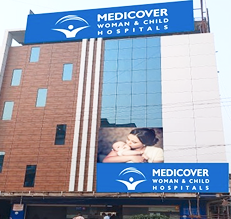
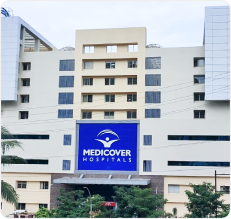
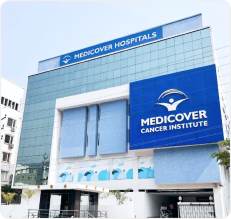
Our Hospitals in Andhra Pradesh





Popular Searches
Frequently Asked Questions
A traumatic injury is any serious physical injury caused by events such as road accidents, falls, sports injuries, workplace accidents, burns, or violent incidents that may require urgent medical or surgical care.
Yes. Trauma surgeons are trained to manage life-threatening injuries, control severe bleeding, repair damaged organs, stabilise fractures, and coordinate emergency treatment with other specialists.
A trauma surgeon specialises in the emergency management of severe injuries, while a general surgeon primarily performs planned and emergency surgeries for a wide range of medical conditions.
Depending on the injury, trauma specialists may recommend CT scans, X-rays, FAST ultrasound, MRI, blood tests, and other investigations to evaluate the extent of damage.
Yes. Trauma surgeons are experienced in managing patients with multiple injuries (polytrauma) and work with multidisciplinary teams to provide comprehensive care.
No. ICU admission depends on the severity of the injuries, the patient's overall condition, and the level of monitoring required after treatment or surgery.
Recovery varies depending on the injury and treatment received. Your trauma surgeon will advise when it is safe to resume work, exercise, driving, and other daily activities.
Recovery may include physiotherapy, occupational therapy, pain management, mobility training, nutritional support, and psychological counselling, depending on the type of injury.
Yes. Early diagnosis, timely surgery, and structured rehabilitation can improve recovery and help minimise the risk of long-term disability.
You should seek immediate medical attention from a trauma surgeon if you have serious injuries after an accident, severe bleeding, suspected fractures, head injury, chest or abdominal trauma, spinal injury, or any emergency requiring urgent surgical evaluation.


