 Call
Call Patient Reports
Thoracic Oncology Doctors in Financial District

Dr Rigved Nittala

Dr Yasaswini Ganjam
- Experienced thoracic oncology specialists with expertise in managing lung and chest cancers.
- Individualized treatment planning based on cancer type, stage and overall health.
- Modern diagnostic technologies that support timely and precise clinical evaluation.
- Evidence-based treatment recommendations following established oncology guidelines.
- Multidisciplinary care involving pulmonologists, medical oncologists, radiation oncologists and thoracic surgeons.
- Modern infrastructure supporting complex cancer diagnosis and treatment.
- Continuous follow-up care to monitor recovery and long-term health.
- Clear patient education to help individuals understand their diagnosis and treatment options.
- Non-small cell lung cancer
- Small cell lung cancer
- Pleural mesothelioma
- Mediastinal tumors
- Thymoma and thymic carcinoma
- Suspicious lung nodules
- Chest wall tumors
- Pleural tumors
- Metastatic tumors involving the lungs
- Recurrent thoracic cancers
- Neuroendocrine tumors of the chest
- Thoracic malignancies requiring multidisciplinary care
- Persistent cough lasting several weeks.
- Coughing up blood.
- Unexplained chest pain or chest discomfort.
- Persistent shortness of breath.
- Abnormal chest X-ray or CT scan findings.
- Unexplained weight loss and loss of appetite.
- Persistent hoarseness or voice changes.
- Enlarged lymph nodes requiring evaluation.
- Confirmed biopsy showing thoracic malignancy.
- Follow-up for previously treated thoracic cancers.
- Detailed review of respiratory symptoms, smoking history and previous illnesses.
- Comprehensive physical examination focusing on chest and respiratory health.
- Blood investigations to assess general health and treatment readiness.
- Imaging studies including CT scan, MRI and PET-CT when indicated.
- Bronchoscopy and tissue biopsy for accurate diagnosis.
- Pathology and molecular testing to identify cancer characteristics.
- Pulmonary function testing before surgery or other treatments.
- Multidisciplinary review for coordinated treatment planning.
- Lung Cancer Management: Treatment plans may include surgery, chemotherapy, radiation therapy, targeted therapy or immunotherapy depending on the type and stage of lung cancer.
- Thoracic Surgery: Selected patients may undergo surgical removal of lung tumors, mediastinal masses or chest wall tumors with the goal of complete cancer removal whenever appropriate.
- Targeted Therapy: Molecular testing helps identify patients who may benefit from targeted medicines designed to attack specific genetic changes within cancer cells.
- Immunotherapy: Immunotherapy helps the body's immune system recognize and fight certain thoracic cancers and may be recommended based on tumour characteristics.
- Chemotherapy: Systemic chemotherapy may be used before surgery, after surgery or as primary treatment depending on the clinical situation.
- Radiation Therapy: High-precision radiation treatment helps control tumors, reduce symptoms and improve treatment outcomes in selected patients.
- Palliative and Supportive Care: Symptom management, nutritional guidance and supportive therapies help improve comfort and quality of life throughout treatment.
- Long-term Surveillance: Regular follow-up imaging and clinical evaluations help monitor recovery and detect recurrence at an early stage.
- High-resolution CT, MRI and PET-CT imaging for detailed cancer assessment.
- Modern bronchoscopy facilities for diagnostic evaluation.
- Advanced pathology and molecular diagnostic laboratories.
- Dedicated thoracic surgery operating theatres.
- Comprehensive pulmonary function testing facilities.
- Precision radiation oncology infrastructure.
- Modern chemotherapy and day-care infusion services.
- Electronic medical records supporting coordinated care.
- Critical care units for postoperative monitoring.
- Strict infection prevention and patient safety protocols.
- Multidisciplinary tumor board discussions.
- Efficient reporting systems for faster clinical decisions.
- Detailed review of symptoms and previous investigations.
- Assessment of imaging, biopsy and pathology reports.
- Physical examination based on your condition.
- Recommendations for additional investigations if required.
- Discussion of diagnosis and treatment options.
- Explanation of surgery, chemotherapy, radiation or targeted therapies when appropriate.
- Lifestyle guidance to support treatment and recovery.
- Coordination with other oncology specialists.
- Individualized follow-up planning.
- Opportunity to discuss concerns and understand your care plan.
Expert Thoracic Oncology Specialists for Advanced Diagnosis & Care in Financial District
Thoracic oncology focuses on the diagnosis, evaluation and treatment of cancers affecting the lungs, chest and surrounding structures. Our Thoracic Oncology Specialists in Financial District provide expert care for patients with thoracic cancers using a multidisciplinary approach that supports timely diagnosis and individualized treatment planning.
At Medicover Hospitals, our specialists use modern diagnostic technology, detailed clinical assessment and collaborative expertise to accurately evaluate thoracic cancers. Every patient undergoes a thorough assessment based on their symptoms, imaging findings, biopsy results and overall health to determine the most appropriate treatment strategy.
Early consultation with experienced Thoracic Oncology Specialists is essential for detecting thoracic cancers at an earlier stage and improving treatment outcomes. Our team at Medicover Hospitals in Financial District is committed to delivering compassionate, ethical and patient-focused cancer care throughout every stage of treatment and recovery.
Why Choose Our Thoracic Oncology Specialists at Medicover Hospitals in Financial District?
Choosing experienced Thoracic Oncology Specialists ensures access to coordinated cancer care supported by modern diagnostic facilities and multidisciplinary expertise. At Medicover Hospitals in Financial District, we focus on providing safe, comprehensive care tailored to each patient's clinical needs.
Conditions Our Thoracic Oncology Specialists Treat at Medicover Hospitals, Financial District
Our experienced specialists diagnose and manage a wide range of thoracic cancers using evidence-based techniques. Based on each patient's symptoms, medical history and diagnostic findings, they perform a detailed evaluation before recommending the most suitable treatment plan.
When Should You Consult Our Thoracic Oncology Specialists?
Consultation with a Thoracic Oncology Specialist is recommended when symptoms, abnormal imaging findings or biopsy reports suggest the possibility of cancer involving the lungs or chest. Early evaluation supports timely diagnosis and appropriate treatment planning.
Early specialist evaluation helps establish an accurate diagnosis, determine disease stage and guide timely treatment decisions that can improve long-term outcomes.
How Our Thoracic Oncology Specialists Evaluate Your Condition at Medicover Hospitals
Our specialists begin by reviewing your symptoms, medical history, lifestyle factors and previous investigations. Appropriate diagnostic tests are then selected to determine the type, location and stage of the thoracic cancer before treatment planning.
Thoracic Oncology Treatments Offered at Medicover Hospitals, Financial District
Our Thoracic Oncology Specialists offer a complete range of treatment options based on cancer type, stage and individual patient requirements. Every treatment plan is developed collaboratively to achieve the best possible outcomes while preserving quality of life.
Our Advanced Technology & Facilities for Thoracic Oncology Care at Medicover Hospitals
Medicover Hospitals in Financial District combines modern technology with multidisciplinary expertise to support timely diagnosis, safe treatment and continuous monitoring of thoracic cancers.
What to Expect During Your Consultation with Our Thoracic Oncology Specialists at Medicover Hospitals, Financial District?
Your consultation includes a detailed discussion of your symptoms, medical history and previous investigations. Our specialists explain diagnostic findings, available treatment options and expected outcomes while addressing your questions and concerns.
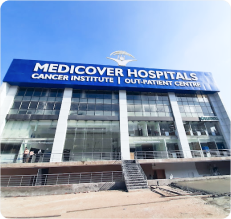
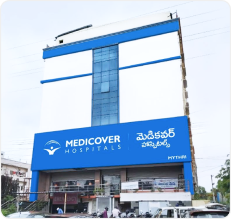
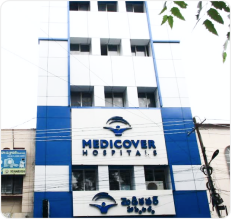
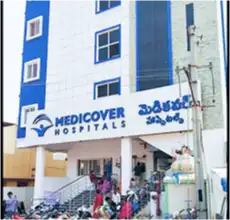
Our Hospitals in Telangana




Frequently Asked Questions
Thoracic Oncology Specialists diagnose and treat cancers affecting the lungs, pleura, mediastinum, chest wall and other structures within the chest using coordinated cancer care.
People with suspicious lung nodules, persistent respiratory symptoms, abnormal chest imaging or confirmed thoracic cancers should seek specialist evaluation.
No. Many lung nodules are non-cancerous. However, they should be evaluated by a specialist to determine whether additional investigations or monitoring are required.
Diagnosis usually involves imaging studies, bronchoscopy, biopsy, pathology examination and sometimes molecular testing to accurately identify the cancer type.
Yes. Depending on the cancer type and stage, treatment may include chemotherapy, immunotherapy, targeted therapy or radiation therapy without surgery.
Early diagnosis allows more treatment options and may improve treatment outcomes by identifying cancer before it progresses.
Yes. Regular follow-up visits help monitor recovery, assess treatment response and detect any recurrence as early as possible.
Stopping smoking, maintaining balanced nutrition, staying physically active as advised and following medical recommendations can support recovery and overall health.
Treatment recommendations are based on cancer type, stage, molecular profile, overall health and individual treatment goals.
Medicover Hospitals offers multidisciplinary expertise, modern diagnostic technology and coordinated cancer care to support patients throughout diagnosis, treatment and long-term follow-up.


