 040 68334455
 WhatsApp
 Patient Portal
 Home Care
What is Osteoarthritis?
Written by Medicover Team and Medically Reviewed by Dr Nitish Arora , Orthopedics
Osteoarthritis is the most common type of arthritis, affecting millions of people, particularly as they age. It happens when the soft, cushion-like tissue (called cartilage) between the bones wears down over time. This can make your joints feel stiff, sore, or swollen.
It mostly affects the knees, hips, hands, and spine, but it can affect any joint in the body. Everyday activities like walking, climbing stairs, or gripping objects may become harder and painful.
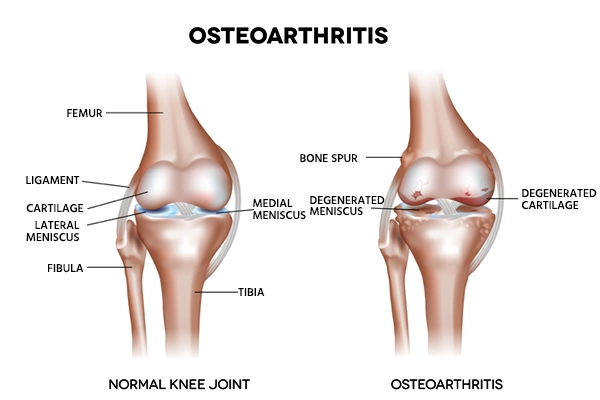
Osteoarthritis is a long-term joint condition that causes pain and stiffness. It happens when the protective cartilage that cushions the ends of your bones breaks down. Without this cushion, the bones rub against each other, making movement uncomfortable.
This condition usually develops with age, but being overweight, past injuries, or repeated strain on joints can also lead to it. It's not a sudden condition; it builds up slowly and can affect one or more joints over time.
Osteoarthritis develops slowly and gets worse if not managed. The good news is that it can be controlled with the right care, movement, and lifestyle changes.
Osteoarthritis can impact various joints, but it commonly manifests in the following:
- Hands
- Knees
- Hips
- Neck (cervical spine)
- Lower back (lumbar spine)
What Are the Types of Osteoarthritis?
Osteoarthritis isn't the same for everyone; it can affect different parts of the body in different ways.
While the core issue is the wearing down of cartilage (the smooth cushion between joints), how and where it happens gives us different types.
Here are the Types of Osteoarthritis:
Primary Osteoarthritis
This is the most common type and usually happens as people get older. It's linked to general wear and tear over time.
- Caused by the natural ageing of joints
- No specific injury or disease triggers it
- Often affects knees, hips, hands, and spine
- More common in people over 50
- Develops slowly over the years
Think of it as your joints simply ageing, just like your hair turning grey. Staying active and maintaining a healthy weight can help reduce its impact.
Secondary Osteoarthritis
This type happens because of another health problem or injury that has damaged the joint earlier in life.
- Caused by things like previous injuries, obesity, or other diseases (e.g., rheumatoid arthritis, diabetes)
- It can occur at any age
- It may affect one or more joints depending on the cause
- Progresses faster than primary osteoarthritis
- It can be managed better if the underlying condition is treated
For example, if someone had a sports injury in their 30s, they might develop osteoarthritis in that joint later on. Keeping joint injuries treated and controlled early can help prevent this.
What Are the Osteoarthritis Symptoms?
Osteoarthritis is a joint condition that develops when the protective cartilage between your bones wears down over time. The symptoms of Osteoarthritis usually develop slowly and worsen over time, especially if left untreated.
At first, you might notice a little discomfort in your knees, hips, or fingers, especially after long periods of activity. Over time, the pain may stick around, even when you're resting.
Some symptoms come and go, while others can become part of your daily life. Paying attention to these early signs can help you get treatment before things get worse.
Common Signs of Osteoarthritis:
- Pain in the joint during or after movement
- Stiffness, especially in the morning or after sitting still for a while
- Swelling around the affected joint
- A clicking or cracking sound when moving the joint
- Feeling that the joint is weak or unstable
- Reduced range of motion or flexibility
If you start feeling these symptoms, especially in weight-bearing joints like your knees or hips, it's a good idea to talk to a doctor. Early care can help manage the condition and keep you moving comfortably.
What Are the Causes of Osteoarthritis?
Osteoarthritis happens when the protective cartilage in your joints wears down over time. Cartilage is the smooth, rubbery tissue that helps your joints move easily. When it breaks down, bones start rubbing against each other, which can cause pain, swelling, and stiffness.
The exact cause of osteoarthritis is unclear. Primary osteoarthritis typically develops gradually with age, where the wear and tear on joints may contribute to cartilage breakdown. Several things come together to lead to joint damage.
Here are the reasons for Osteoarthritis:
- Ageing: The older you get, the more likely your joints have been through years of use.
- Previous joint injuries: A past injury from sports or an accident can affect how the joint works.
- Repeated stress on a joint: Jobs or activities that put pressure on certain joints may lead to damage.
- Joint deformities: Some people are born with joints or cartilage that aren't shaped correctly.
- Lack of movement: Being inactive can weaken the muscles that support your joints.
Even though osteoarthritis is common, understanding what causes it can help in preventing it or slowing it down.
- Other types of arthritis
- Rheumatoid arthritis
- Gout
- Psoriatic arthritis can also lead to secondary osteoarthritis.
While the causes may vary, early care and lifestyle changes can help manage the condition and keep joints healthier longer.
Get a second opinion from trusted experts and makeconfident, informed decisions.
Get Second OpinionWhat Are the Risk Factors for Osteoarthritis?
Certain things can increase your chances of developing osteoarthritis. These are known as risk factors. Just because you have one or more of them doesn't mean you'll get osteoarthritis for sure, but they can raise the risk.
Here are some of the most common Osteoarthritis risk factors:
- Age: Osteoarthritis is more common as you get older.
- Gender: Women tend to get it more often than men, especially after age 50.
- Family history: If your parents or siblings have osteoarthritis, you may be at a higher risk of developing it as well.
- Obesity: Extra weight puts more pressure on your joints, especially the knees and hips.
- Injuries: Even if an old injury has healed, it can lead to problems later in life.
- Repetitive movements: Certain jobs or sports that involve repeated motion can stress the joints.
- Weak muscles: Muscles help support and protect joints. If they're weak, joints may wear out faster.
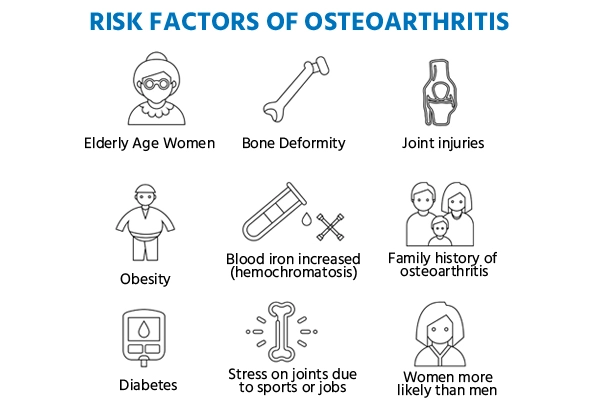
Knowing your risk factors helps you take steps early, like staying active, maintaining a healthy weight, and protecting your joints, to keep osteoarthritis away or under control.
How Is Osteoarthritis Diagnosed?
Osteoarthritis is a common joint condition, but it often gets mistaken for other types of arthritis or joint pain. That's why getting the right diagnosis is important; it helps doctors choose the best treatment plan for your needs.
Osteoarthritis Diagnosis usually starts with a physical check-up. Your doctor will ask about your symptoms, how long you've had joint pain, and whether anything makes it better or worse. They'll also look at how your joints move and whether they're swollen, tender, or stiff.
If your doctor suspects osteoarthritis, they may recommend a few tests to confirm it. These tests help show how much the joint is affected and rule out other conditions like rheumatoid arthritis.
Getting diagnosed doesn't mean you're alone; it's the first step toward feeling better. The sooner you understand what's going on in your joints, the faster you can start managing it with the right care.
Important Tests for Diagnosing Osteoarthritis
To confirm osteoarthritis and check how much damage there is, doctors may recommend the following tests:
X-rays
- This is the most common test for osteoarthritis.
- It shows changes in the joint, like bone spurs or narrowing of the space between bones.
- Helps assess how much the cartilage has worn away.
MRI (Magnetic Resonance Imaging)
- Used when more detailed images are needed.
- Shows soft tissues like cartilage, tendons, and ligaments.
- Helpful in early-stage osteoarthritis or when X-rays aren't clear.
Blood Tests
- Not used to diagnose osteoarthritis directly, but can rule out other conditions like rheumatoid arthritis or infections.
- Helps doctors make a more accurate diagnosis.
Joint Fluid Test
- A small amount of fluid is taken from the joint using a needle.
- Helps check for signs of infection, inflammation, or gout.
- Useful when symptoms are unclear or there's swelling.
These tests give a clearer picture of what's happening inside your joints. They're quick, usually not painful, and give doctors the information they need to help you feel better and move more comfortably.
How Is Osteoarthritis Treated?
Osteoarthritis treatment focuses on managing pain, enhancing mobility, and supporting your continued activity. While there's no full cure, many people find real relief through a mix of simple lifestyle changes, medications, and sometimes medical procedures.
The right Osteoarthritis treatment plan depends on how bad the symptoms are and which joints are affected. Most people can avoid surgery with the right care and regular follow-up.
Here are the osteoarthritis treatment options available:
Medications
Medicines help relieve pain and reduce swelling in the joints. Your doctor will recommend the right option based on how severe your symptoms are.
Common medications include:
- Pain relievers like paracetamol for mild pain
- NSAIDs (non-steroidal anti-inflammatory drugs) like ibuprofen can reduce pain and swelling
- Topical creams or gels are applied directly to the joint
- Steroid injections in severe cases for quick relief
- Supplements like glucosamine and chondroitin (sometimes used, but effects vary)
These medicines don't cure osteoarthritis, but can help you move better and feel more comfortable. Always follow your doctor's instructions, and let them know if you feel side effects like stomach upset or swelling.
Exercise
Staying active is one of the best ways to manage osteoarthritis. While it may seem hard to move with joint pain, the right exercises actually help strengthen your muscles and reduce stiffness.
Helpful exercises include:
- Walking for 20 to 30 minutes a day
- Swimming or water aerobics (gentle on joints)
- Stretching exercises to improve flexibility
- Strength training with light weights to support joints
Start slow and build up as your comfort grows. If you're unsure, talk to a physiotherapist, they can create a safe routine based on your condition.
Supportive Devices
Supportive tools can make everyday tasks easier and reduce pressure on your joints. These are especially useful if you have knee, hip, or hand osteoarthritis.
Common devices include:
- Braces to support the knee or wrist
- Canes or walkers to help with balance and reduce strain
- Shoe inserts that provide better joint alignment
- Ergonomic tools for cooking, writing, or opening jars
It's best to ask your doctor or physiotherapist which device suits your needs. The right support can make a big difference in your comfort.
Heat and Cold Therapies
Simple temperature-based treatments can do wonders for joint pain and stiffness. They're easy to use at home and offer quick relief when you're uncomfortable.
Heat therapy helps:
- Relax tight muscles
- Improve blood flow
- Ease stiffness in the morning
Cold therapy helps:
- Reduce swelling
- Numb sharp pain
- Calm inflamed joints
Try using heat before activity to loosen joints and cold afterwards to reduce swelling. Always test the temperature before use to avoid burns or frostbite.
Complementary Therapy
Some people find extra relief from alternative methods alongside their main treatments. While these don't replace medical care, they may help you feel better overall.
Popular options include:
- Massage therapy for pain relief and relaxation
- Acupuncture to help reduce joint pain
- Yoga or tai chi to improve balance and flexibility
- Herbal supplements (only under a doctor's advice)
Before trying any of these, speak with your doctor, especially if you're on other medications. What works for one person may not work for another, but it's worth exploring under guidance.
Surgery
When pain is severe and other treatments aren't helping, surgery may be an option. This is usually recommended if osteoarthritis has seriously damaged your joint and affects your daily life.
Surgical options include:
- Joint replacement (knee or hip)
- Arthroscopy
- Joint realignment
Surgical interventions such as joint replacement (arthroplasty) may be considered in such cases. Your healthcare provider or surgeon will provide detailed information about the procedure and what to expect.
When to See a Doctor for Osteoarthritis?
Osteoarthritis can start off as mild joint pain, but over time, it may become harder to manage on your own. Knowing when to see a doctor can help you avoid more serious joint damage and keep you moving comfortably.
You should consider seeing a doctor if:
- Your joint pain doesn't go away after rest or home remedies
- You feel stiffness, especially in the morning or after sitting for a while
- There's swelling or tenderness around the joint
- You hear or feel grinding or cracking when you move the joint
- It's getting harder to walk, climb stairs, or do daily tasks
- Pain keeps you up at night or affects your mood
- Over-the-counter pain relief isn't helping anymore
It's always better to talk to a doctor early. The sooner you get the right treatment, the better you can manage your symptoms and prevent your joints from getting worse.
Your health is everything - prioritize your well-being today.
 Consult Osteoarthritis Doctors Today
What Is the Recovery Process After Osteoarthritis Treatment?
Recovering from osteoarthritis treatment depends on the severity of your condition and the type of treatment you've received, whether it's medication, physical therapy, or surgery. The goal is to ease pain, improve movement, and help you return to daily activities comfortably.
Here's what to expect during recovery:
- Regular physiotherapy to strengthen muscles and improve joint function
- Pain management with doctor-approved medications or hot/cold therapy
- Low-impact exercises like walking, swimming, or yoga
- Healthy eating to support joint health and maintain weight
- Follow-up visits to track progress and adjust your care plan
Recovery may take weeks or even months. Being consistent with your exercises and following your doctor's advice makes a big difference. Stay positive, many people see great improvement with time and the right care.
What Precautions Can Help Prevent Osteoarthritis?
While you can't always prevent osteoarthritis, especially if it runs in the family, certain daily habits can protect your joints and lower your risk.
Here are some simple tips to keep your joints healthy:
- Maintain a healthy weight to reduce pressure on your knees and hips
- Stay active with gentle exercises like walking or swimming
- Stretch regularly to keep joints flexible
- Avoid joint injuries by using proper posture and safety gear during activities
- Eat a balanced diet rich in calcium, vitamin D, and anti-inflammatory foods
- Take breaks if your work involves standing or repetitive motion
Starting these habits early can help you enjoy a more active life without joint pain in the future. Small changes every day go a long way in protecting your joints.
What Are the Possible Complications of Osteoarthritis?
If osteoarthritis isn't managed well, it can lead to more serious issues over time. That's why early care and regular follow-up are so important.
Here are some complications that may occur:
- Chronic pain that affects daily activities and sleep
- Joint stiffness that limits your ability to move
- Swelling and inflammation that become harder to control
- Joint deformities or changes in bone shape
- Muscle weakness from avoiding movement due to pain
- Depression or anxiety caused by ongoing discomfort and limited mobility
These complications can affect your quality of life, but they don't have to. With the right treatment plan and lifestyle modifications, many individuals can effectively manage osteoarthritis and avoid long-term complications. Always check in with your doctor if symptoms change or worsen.
Our Experience in Treating Osteoarthritis
At Medicover Hospitals, we understand how much osteoarthritis can affect your daily life, from joint pain in the morning to difficulty climbing stairs or doing simple tasks.
That's why we approach every patient with care, patience, and a focus on comfort and long-term relief. We've helped thousands of people manage osteoarthritis effectively, whether it's in the knees, hips, hands, or spine.


