 040 68334455
 WhatsApp
 Patient Portal
 Home Care
Monkeypox Disease: Causes, Symptoms and Treatments
Monkeypox (MPX) is a rare viral infection related to smallpox and cowpox. Monkeypox was discovered in 1958 among African monkey colonies. The first confirmed human case was found in the Democratic Republic of the Congo in 1970. Origin of monkeypox is still unknown, although African rodents are suspected of playing a part in monkeypox transmission.
Types of Mpox
-
Central African (Congo Basin) Clade:
- More severe and transmissible form.
- Higher mortality rate (up to 10%).
-
West African Clade:
- Milder form of the disease.
- Lower mortality rate (around 1%).
Monkeypox Symptoms
Monkeypox disease has a prolonged incubation period. That means that after being exposed to the virus, illness can develop in 4 to 21 days.
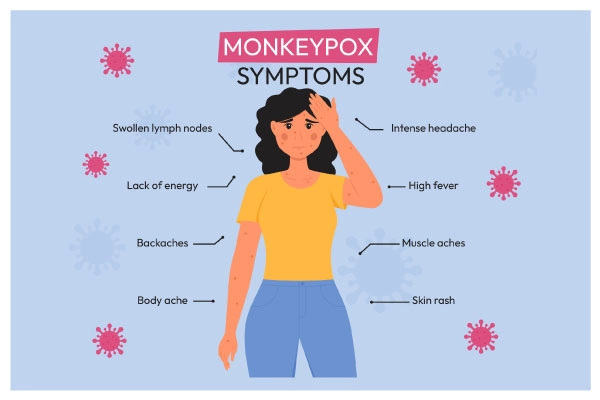
- The symptoms begin with a general, all-over sense of being sick.
- Flu-like symptoms include fever and muscle aches.
- Swelling of the lymph nodes.
- A few days later, a blister-like rash that resembles chicken pox appears. This can start on the face and spread to other parts of the body, or it can be sexually transmitted and start in the genital or anal areas.
- The rash dries up a week or two later, and recovery continues.
Altogether, monkeypox lasts two to four weeks.
When to See a Doctor?
If you notice flu-like symptoms for a long time such as fever, fatigue and muscle aches along with rash and swelling of lymph nodes, you need to consult a doctor.
Visit the doctor if the rashes are worsening and flu-like symptoms are not under control.
Get a second opinion from trusted experts and makeconfident, informed decisions.
Get Second OpinionCauses and Risks of Monkeypox
Monkeypox is a rare viral disease caused by monkeypox virus. Monkeypox virus is a member of the Orthopoxvirus genus in the Poxviridae family.
When an individual comes into contact with the virus from an animal, a human, or contaminated materials, the virus is transmitted. The virus enters the body via broken skin (even if this is not visible) or the respiratory tract (eyes, nose, or mouth). Man-to-man transmission is thought to occur primarily via large respiratory droplets that necessitate prolonged face-to-face contact.
Risk Factors of Monkeypox
Monkeypox is a relatively rare viral infection. The risk factors include:
- Animal bites and scratches from infected animals (primarily African rodents or monkeys) or other rodents that have had contact with infected African animals are the risk factors.
- People should not consume any meat of such animals.
- Direct physical contact with the infected person.
Gay, bisexual, and other men who have sex with men are currently at a higher risk of infection because the infection is spreading in these social circles and networks. However, anyone can get monkeypox. It can spread through any type of direct or close physical contact, including heterosexual sex.
Monkeypox Diagnosis
Because monkeypox is uncommon, doctors may first suspect measles or chickenpox. Swollen lymph nodes, on the other hand, usually distinguish monkeypox from other poxes.
A tissue sample from an open sore or lesion is taken by the doctor to diagnose monkeypox (lesion). The sample is then transferred to a laboratory for polymerase chain reaction (PCR) testing, ELISA and western blotting. A blood sample may be required to test for the monkeypox virus or antibodies produced by your immune system.
Tests for Monkeypox (Mpox)
-
PCR Test (Polymerase Chain Reaction):
- A swab is taken from the skin lesions, blisters, or scabs to detect the monkeypox virus's DNA.
- This is the most reliable and commonly used test for diagnosing monkeypox.
- Blood Tests: Used to check for antibodies or confirm active infection in some cases.
- Biopsy: A small sample of skin from a lesion is examined for the presence of the virus.
- Virus Culture: The virus is isolated and identified in a laboratory, though this is less commonly used due to time constraints.
Symptoms of monkeypox can resolve on their own. A monkeypox outbreak, however, can be controlled with the smallpox vaccine, antivirals, and vaccinia immune globulin (VIG).
Monkeypox Treatment
Isolation of patient
- Solation of the patient in a hospital isolation room or at home in a separate room with separate ventilation.
- Patients should put on a three-layer mask.
- To minimise the risk of contact with others, skin lesions should be covered to the greatest extent possible such as wearing long sleeves and long pants.
- Isolation should be maintained until all lesions have healed and scabs have fallen off completely.
Protection of Compromised Skin and Mucous Membranes
Skin rash is managed by
- Cleaning with simple antiseptic solution
- Application of Mupirocin Acid or Fucidin
- Cover with dressing if extensive lesion is present
- Do not scratch the lesions
- In case of secondary infection, relevant antibiotics may be considered.
- Genital ulcers are managed by sitz bath
- Oral ulcers are managed by warm saline gargles or oral topical anti-inflammatory gel
- Conjunctivitis is usually self limiting but consult eye specialist if symptoms persist or there are vision problems or pain
Rehydration Therapy and Nutritional support
This therapy is important because dehydration can be accompanied by a loss of appetite, nausea, vomiting, and diarrhoea.
Symptom Alleviation
- Fever: Tepid sponging and paracetamol as required
- Itching or Pruritus: Topical Calamine lotion and antihistamines
- Nausea: Consider anti-emetics
- Headache or malaise: paracetamol and adequate hydration
Dos and Don’ts
Monkeypox is a viral infection that can infect humans and some animals. It's caused by a monkeypox virus with symptoms like fever, muscle aches, headache, swollen lymph nodes, etc. Although many cases of monkeypox resolve on their own, those who become more ill can be treated with antiviral agents.
| Do’s | Don’ts |
|---|---|
|
Wash hands with soap and water, or use an alcohol-based hand sanitizer. |
Share bedding or towels with people who have monkeypox. |
|
Discuss with partners about their sexual health and any symptoms they may be experiencing. |
Have close contact with people who may have monkeypox. |
|
If you have monkey pox symptoms, avoid sex and intimate contact. |
Approach stray animals including those that appear sick. |
|
Do not share utensils and cups with a monkeypox infected person. |
Touch your face, nose and eyes with unwashed or unclean hands |
|
Avoid travelling to high risk countries. |
No need to clean or disinfect frequently touched surfaces |
Follow the Do’s and Don'ts for monkeypox viral infection to prevent the disease and its complications. The best ways to keep from getting infected with monkeypox are avoiding close contact with infected people, washing hands frequently and thoroughly, wearing a mask and gloves when taking care of monkeypox infected patients.
Guidelines for Management of Monkeypox Disease
The government-issued guidelines for monkeypox disease as cases of this viral disease in India are growing every day. Here are some of the guidelines:
- International passengers should avoid close contact with sick people, also stay away from dead or live wild animals.
- The international travelers are advised not to eat or prepare meat from wild game (bushmeat).
- Avoid contact with contaminated materials used by sick people like bedding, clothing or other things used in healthcare centres. Also stay away from those materials that have come into contact with diseased animals.
- Get medical help immediately if you experience monkeypox-like symptoms such as a skin rash, fever, chills, headache, swollen lymph nodes or if residing in an area where monkeypox disease cases have been reported, or if you have come into close contact with an infected person.
Your health is everything - prioritize your well-being today.
 Schedule Your Appointment
Monkeypox Prevention
- Vaccination: Smallpox or monkeypox vaccines can offer protection, especially for high-risk individuals.
- Avoid Contact: Stay away from infected people and animals showing symptoms.
- Good Hygiene: Wash hands regularly and disinfect surfaces.
- Use PPE: Healthcare workers should wear gloves, masks, and gowns when handling infected individuals.
- Avoid Sharing Items: Don’t share towels, bedding, or clothing with infected individuals.
- Monitor Symptoms: Seek medical attention if you develop symptoms like fever or rash.
- Limit Travel: Avoid traveling to areas with active outbreaks, or take extra precautions if necessary.
Monkeypox Care at Medicover Hospitals
We have the eminent medical experts at Medicover Hospitals who are experienced in providing the best healthcare services to our patients. Our department is fully equipped with cutting-edge technology and equipment to perform the tests required for monkeypox diagnosis. We have an excellent team of doctors who diagnose and treat this condition with care that brings successful treatment outcomes.
Frequently Asked Questions
Who is most at risk for monkeypox?
Individuals at higher risk for monkeypox include those with close contact to infected people, such as household members, healthcare workers, and people with weakened immune systems. Additionally, individuals who have traveled to areas with monkeypox outbreaks or have close contact with animals may also be at greater risk.
What kills monkeypox virus?
Monkeypox virus can be killed by disinfectants containing 0.5% chlorine bleach, alcohol-based sanitizers, and other common disinfectants. Thorough hand washing with soap and water is also effective in reducing the risk of transmission. It’s important to follow proper hygiene and cleaning protocols to prevent the virus from spreading.
How long does monkeypox last?
Monkeypox typically lasts 2 to 4 weeks. The incubation period (time between exposure and symptoms) is usually 5 to 21 days. Symptoms may include fever, rash, and swollen lymph nodes, and the rash progresses through different stages. With proper care and treatment, most individuals recover without complications.
What are the four stages of monkeypox?
The four stages of monkeypox are: Prodromal stage, Rash development, Pustules and scabs, Healing.
What are the home remedies for monkeypox?
Home remedies for monkeypox focus on relieving symptoms. You can apply cool compresses to soothe the skin, use pain relievers like acetaminophen for fever and aches, and keep the skin moisturized to prevent scabbing. Avoid scratching the rash to prevent secondary infections. Always consult a healthcare provider for further guidance.


Feeling unwell?
Request a callback!
