 040 68334455
 WhatsApp
 Patient Portal
 Home Care
Best Horseshoe Kidney Doctors in India

Dr Kamal Kiran

Dr Rahul Ruikar

Dr V Srinivas

Dr Hareesha Babu K

Dr Rajiv M

Dr P Sri Ram Naveen

Dr Madhav Desai

Dr Sachin Soni

Dr Amit Nagrik

Dr Sravan Kumar Jogu

Dr Arun Kumar Dindi

Dr Rayapureddi Ranganadha Rao

Dr Raja Amarendra Muthina

Dr Mallakuntla Venkata Suresh Kumar Reddy

Dr Prabhucharan Rangineni

Dr Vipul Gattani

Dr Reddi Sivakumar

Dr Arun Kumar Donakonda

Dr Amar Kulkarni

Dr Bhaskara Rao Beesetty

Dr G Suma Rama Gopal

Dr Pavan Wakhare

Dr Siddharth Herur

Dr Sagar Ananda Hase

Dr Ramchander Thorrem

Dr Vidyasagar Korla

Dr Irawati Waghmare

Dr Tejaswi Gogineni

Dr Ajaykumar Vishwanath Patil

Dr Kajal Vijay Darandale
Importance of Horseshoe Kidney Specialist in Treatment
Horseshoe kidney is a congenital condition where the kidneys are fused together, forming a U-shape. While often asymptomatic, early diagnosis is important to monitor kidney function and prevent complications like kidney stones or infections . Treatment focuses on managing symptoms and preventing complications. Early intervention ensures optimal kidney health .
Why to Choose Horseshoe Kidney Specialists at Medicover Hospitals in India
Medicover Hospital offers nephrologists and urologists specializing in congenital kidney disorders like horseshoe kidney. Treatment includes monitoring kidney function, managing infections, and, in some cases, surgical intervention. The hospital ensures comprehensive care to maintain kidney health and prevent complications.

Why Choose Our Doctors?
- Our doctors are experts in their fields and have years of experience.
- We provide top-tier medical infrastructure and technology.
- Easy booking options for both virtual and in-person consultations.
- Insurance & Cashless Payment Support
- Emergency & 24/7 Care
- Compassionate & Patient-Centered Approach
- Multi-Disciplinary Expertise (Collaboration between specialists ensures comprehensive treatment plans).
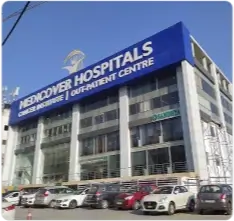
Our Hospitals Near You


Popular Searches
Frequently Asked Questions
Early signs of Horseshoe Kidney may include abdominal or flank pain, urinary tract infections, kidney stones, and blood in the urine. Prompt medical evaluation is crucial for proper management.
To manage Horseshoe Kidney, monitor kidney function regularly, stay hydrated, prevent infections, and address any urinary tract issues promptly.
Common co-existing conditions with Horseshoe Kidney include hydronephrosis, kidney stones, urinary tract infections, and renal cancer. Early detection and management are crucial for optimal care.
Common treatments for Horseshoe Kidney include managing symptoms, monitoring for complications, addressing infections promptly, and in severe cases, surgery may be necessary to alleviate issues related to urinary tract obstruction or kidney stones.


Feeling unwell?
Request a callback!
