 Call
Call Patient Reports
- Cardiology 84
- Dermatology 45
- Endocrinology 33
- ENT 16
- Fertility 190
- Gastroenterology 78
- General-Medicine 81
- Gynecology 80
- Hematology 19
- Infectious-Diseases 33
- Neurology 52
- Oncology 34
- Ophthalmology 23
- Orthopedics 69
- Pediatrics 31
- Procedure 23
- Public-Health 144
- Pulmonology 59
- Radiology 8
- Urology 68
- Wellness 161
- Woman-and-child 77
- 3420
- 3 Minute
Know How a Second Opinion Impacts Nerve Tumor Treatment
Peripheral nerve tumors can be a complex and challenging condition to diagnose and treat. Getting a second opinion can make a significant difference in the management and outcomes of these cases. At Medicover Hospitals, we understand the importance of accurate diagnosis and effective treatment plans.
This article tells how seeking a second opinion can impact your treatment for peripheral nerve tumors and why Medicover Hospitals is a trusted choice for expert advice on Peripheral Nerve Tumors Second Opinion.
Get a second opinion from trusted experts and makeconfident, informed decisions.
Get Second OpinionNot sure where to start?
Talk to a patient care advisor — free, confidential, 24/7. We'll match you to the right specialist and book your appointment in minutes.
Understanding Peripheral Nerve Tumors
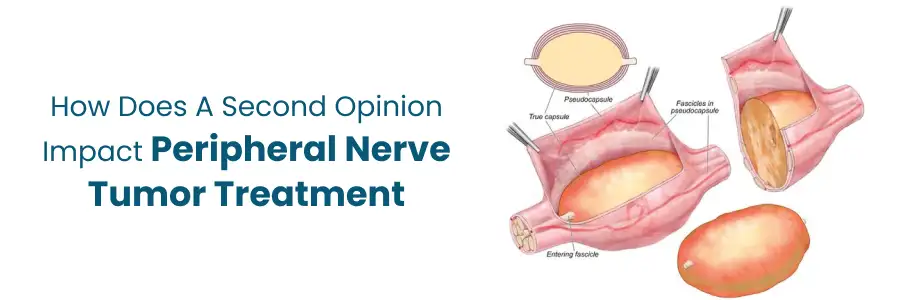
Peripheral nerve tumors are abnormal growths that occur in or around the nerves outside the brain and spinal cord. These tumors can be benign (non-cancerous) or malignant (cancerous) and can cause a variety of symptoms including pain, weakness, and numbness.
Types of Peripheral Nerve Tumors
There are several types of peripheral nerve tumors, including:
- Schwannomas: These are the most common type of benign peripheral nerve tumor. They develop from the Schwann cells that cover the nerves.
- Neurofibromas: These benign tumors grow within the nerve itself and are often associated with the genetic disorder neurofibromatosis.
- Malignant Peripheral Nerve Sheath Tumors (MPNSTs): These are rare, aggressive cancerous tumors that arise from the cells surrounding the nerves.
Why Seek a Second Opinion?
Confirming the Diagnosis
Peripheral nerve tumors can be difficult to diagnose due to their rarity and the similarity of symptoms to other conditions. A second opinion can help confirm the diagnosis, ensuring that the treatment plan is based on accurate information.
Exploring Treatment Options
Treatment for peripheral nerve tumors can vary widely depending on the type, location, and size of the tumor, as well as the patient's overall health. A second opinion can provide a broader perspective on the available treatment options, which may include:
- Surgery: The primary treatment for most peripheral nerve tumors, especially if they are causing significant symptoms or are malignant.
- Radiation Therapy: Used to shrink tumors or kill cancerous cells, often in combination with surgery.
- Chemotherapy: Typically reserved for malignant tumors that have spread or are inoperable.
- Observation: In cases where the tumor is small, benign, and not causing symptoms, regular monitoring may be recommended.
Assessing the Risks and Benefits
Each treatment option comes with its own set of risks and benefits. A second opinion can help you weigh these factors, providing a clearer understanding of what to expect and helping you make an informed decision about your care.
The Impact of a Second Opinion at Medicover Hospitals
- Access to Expert Advice: Medicover Hospitals is home to a team of specialists with extensive experience in diagnosing and treating peripheral nerve tumors. When you seek a second opinion with us, you gain access to this wealth of expertise, ensuring that you receive the most accurate and up-to-date information.
- Advanced Diagnostic Tools: Our advanced diagnostic tools, including MRI and CT scans, allow for precise imaging of peripheral nerve tumors. This advanced technology is crucial for confirming the diagnosis and planning the most effective treatment strategy.
- Multidisciplinary Approach: At Medicover Hospitals, we take a multidisciplinary approach to peripheral nerve tumors management second opinion. This means that your case will be reviewed by a team of specialists, including neurologists, oncologists, radiologists, and surgeons. This collaborative approach ensures that all aspects of your condition are considered, leading to a more complete treatment plan.
Personalized Treatment Plans
We understand that every patient is unique, and so are their treatment needs. Our specialists take the time to understand your specific situation, preferences, and overall health to develop a personalized treatment plan that offers the best possible outcomes.
When to Seek a Second Opinion
- At Initial Diagnosis: Seeking a second opinion at the time of initial diagnosis can provide clarity and confidence in your treatment plan. It ensures that all diagnostic information is accurate and that no potential treatment options are overlooked.
- Before Major Treatment Decisions: If you are facing a major treatment decision, such as surgery or starting chemotherapy, a second opinion can help you understand all your options and the potential outcomes. This can be particularly valuable if you have concerns about the recommended treatment or if you feel unsure about the proposed plan.
- If Symptoms Persist or Worsen: If your symptoms persist or worsen despite treatment, it may be time to seek a second opinion. This can help identify any missed or new developments in your condition and adjust your treatment plan accordingly.
How to Seek a Second Opinion at Medicover Hospitals
- Scheduling an Appointment: To schedule a second opinion appointment at Medicover Hospitals, you can contact our office directly or use our online appointment system. Our friendly staff will guide you through the process and ensure that you are seen by the appropriate specialists.
- Preparing for Your Appointment: To make the most of your second opinion appointment, gather all relevant medical records, including previous imaging studies, biopsy results, and treatment notes. This information will help our specialists provide a thorough and accurate assessment of your condition.
What to Expect During the Appointment
During your second opinion appointment, you will meet with our team of specialists who will review your medical history, perform any necessary examinations, and discuss your symptoms and concerns.
They will then provide you with their expert advice on Peripheral Nerve Tumors Second Opinion and answer any questions you may have.
Conclusion
Peripheral nerve tumors are complex conditions that require precise diagnosis and tailored treatment plans. Seeking a second opinion can have a profound impact on your treatment and overall outcomes.
At Medicover Hospitals, we are committed to providing expert advice on Peripheral Nerve Tumors Second Opinion and complete care to ensure the best possible results for our patients. Whether you are newly diagnosed or seeking alternative care options, our team is here to support you every step of the way.
Your health is everything - prioritize your well-being today.
Schedule Your AppointmentFrequently Asked Questions
A second opinion can significantly impact peripheral nerve tumour treatment by providing alternative perspectives that might lead to improved treatment plans and better outcomes.
A second opinion can have a profound impact. It may suggest new treatment options or confirm the effectiveness of your current plan, leading to better management of peripheral nerve tumors.
It’s crucial to seek a second opinion before commencing treatment or if your current treatment is not yielding the desired results. This proactive step can open up a range of peripheral nerve tumour care options for you to consider.
Expert advice during a second opinion is invaluable. It can offer fresh perspectives or validate your current treatment approach, potentially leading to more effective management of peripheral nerve tumours.
Indeed, a second opinion can broaden your care horizons. It can introduce additional care options that may not have been initially considered, thereby enhancing your chances of a successful treatment journey.
Expect a complete review of your diagnosis, treatment history, and current care plan during your second opinion consultation. This thorough process is designed to ensure that every aspect of your peripheral nerve tumour treatment and care is carefully considered.
- Cardiology
- Case Studies
- Dermatology
- Endocrinology
- ENT
- Fertility
- Gastroenterology
- General
- General-Medicine
- Gynecology
- Hematology
- Infectious-Diseases
- Medical News
- Neurology
- Oncology
- Ophthalmology
- Orthopedics
- Pediatrics
- Procedure
- Public-Health
- Pulmonology
- Radiology
- Second Opinion
- Urology
- Wellness
- Woman-and-child
Related Blogs
Still have questions? Speak with our experts now!
040-68334455


