 Call
Call Patient Reports
- Cardiology 84
- Dermatology 45
- Endocrinology 33
- ENT 16
- Fertility 190
- Gastroenterology 78
- General-Medicine 81
- Gynecology 80
- Hematology 19
- Infectious-Diseases 33
- Neurology 52
- Oncology 34
- Ophthalmology 23
- Orthopedics 69
- Pediatrics 31
- Procedure 23
- Public-Health 144
- Pulmonology 59
- Radiology 8
- Urology 68
- Wellness 161
- Woman-and-child 77
- 3874
- 3.9 Minute
Peripheral Nerve Tumors and Treatment Options in Vizag
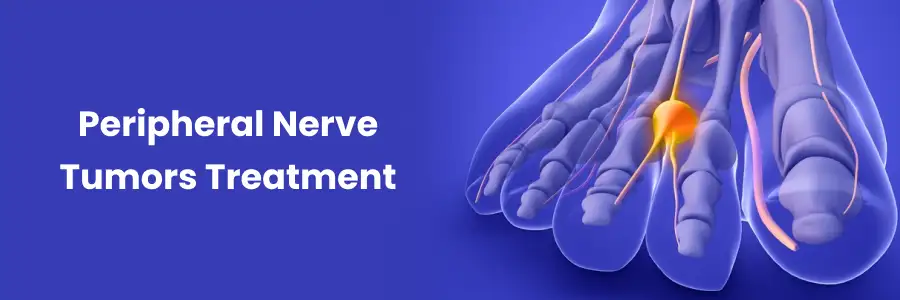
Peripheral nerve tumors, though rare, can significantly impact an individual's quality of life. These tumors develop in the nerves that connect the brain and spinal cord to the rest of the body and can affect various bodily functions depending on their location and size. At Medicover Hospitals in Vizag, we offer comprehensive care and advanced treatment options to manage peripheral nerve tumors effectively.
In this article, we will explore the types of peripheral nerve tumors, their symptoms, diagnosis, and the various treatment options available.
Understanding Peripheral Nerve Tumors
Peripheral nerve tumors can be benign or malignant, originating in the cells that surround nerves. Benign tumors are more common and typically grow slowly, causing symptoms primarily through compression of surrounding tissues. Malignant tumors, though rare, can be aggressive and spread to other parts of the body, necessitating prompt and intensive treatment. Understanding the nature and behaviour of these tumors is crucial for devising an effective treatment plan.
Types of Peripheral Nerve Tumors
Peripheral nerve tumors are categorized based on their origin and behavior. The common types include:
- Schwannomas: These benign tumors originating from Schwann cells, which produce the protective covering of nerves. Schwannomas are usually slow-growing and can occur anywhere in the body, often presenting as a painless mass. Although they are typically benign, their location can sometimes cause significant symptoms if they compress nearby structures.
- Neurofibromas: Typically benign, these tumors grow within the nerve itself and are often associated with the genetic disorder neurofibromatosis type 1 (NF1). Neurofibromas can be solitary or multiple and may cause complications depending on their size and location. In individuals with NF1, the presence of various neurofibromas is expected, which can lead to a range of symptoms.
- Malignant Peripheral Nerve Sheath Tumors (MPNSTs): These are rare and aggressive tumors that arise from the nerve sheath. MPNSTs can be sporadic or associated with NF1, and they require a more aggressive treatment approach due to their potential to metastasize. Early detection and treatment are critical to improve outcomes for individuals with MPNSTs.
Symptoms of Peripheral Nerve Tumors
The symptoms of peripheral nerve tumors vary depending on their size, location, and type. Common symptoms include:
- Pain: Persistent pain in the affected area is a common symptom. The pain may be sharp, dull, or burning and can worsen over time as the tumor grows.
- Numbness and Tingling: Tumors pressing on nerves can cause numbness, tingling, or a "pins and needles" sensation in the affected area. This can affect daily activities and reduce overall quality of life.
- Weakness: Muscle weakness or atrophy can occur if the tumor compresses motor nerves. This can lead to difficulties in movement and coordination, impacting the individual's ability to perform routine tasks.
- Lumps: Visible or palpable lumps may be present under the skin, especially in superficial tumors. These lumps can sometimes be mistaken for other conditions, highlighting the importance of proper medical evaluation.
Get a second opinion from trusted experts and makeconfident, informed decisions.
Get Second OpinionNot sure where to start?
Talk to a patient care advisor — free, confidential, 24/7. We'll match you to the right specialist and book your appointment in minutes.
Peripheral Nerve Tumors and Treatment Options in Vizag
Peripheral nerve tumors, though rare, can significantly impact an individual's quality of life. These tumors develop in the nerves that connect the brain and spinal cord to the rest of the body and can affect various bodily functions depending on their location and size. At Medicover Hospitals in Vizag, we offer comprehensive care and advanced treatment options to manage peripheral nerve tumors effectively.
In this article, we will explore the types of peripheral nerve tumors, their symptoms, diagnosis, and the various treatment options available.
Understanding Peripheral Nerve Tumors
Peripheral nerve tumors can be benign or malignant, originating in the cells that surround nerves. Benign tumors are more common and typically grow slowly, causing symptoms primarily through compression of surrounding tissues. Malignant tumors, though rare, can be aggressive and spread to other parts of the body, necessitating prompt and intensive treatment. Understanding the nature and behaviour of these tumors is crucial for devising an effective treatment plan.
Types of Peripheral Nerve Tumors
Peripheral nerve tumors are categorized based on their origin and behavior. The common types include:
- Schwannomas: These benign tumors originating from Schwann cells, which produce the protective covering of nerves. Schwannomas are usually slow-growing and can occur anywhere in the body, often presenting as a painless mass. Although they are typically benign, their location can sometimes cause significant symptoms if they compress nearby structures.
- Neurofibromas: Typically benign, these tumors grow within the nerve itself and are often associated with the genetic disorder neurofibromatosis type 1 (NF1). Neurofibromas can be solitary or multiple and may cause complications depending on their size and location. In individuals with NF1, the presence of various neurofibromas is expected, which can lead to a range of symptoms.
- Malignant Peripheral Nerve Sheath Tumors (MPNSTs): These are rare and aggressive tumors that arise from the nerve sheath. MPNSTs can be sporadic or associated with NF1, and they require a more aggressive treatment approach due to their potential to metastasize. Early detection and treatment are critical to improve outcomes for individuals with MPNSTs.
Symptoms of Peripheral Nerve Tumors
The symptoms of peripheral nerve tumors vary depending on their size, location, and type. Common symptoms include:
- Pain: Persistent pain in the affected area is a common symptom. The pain may be sharp, dull, or burning and can worsen over time as the tumor grows.
- Numbness and Tingling: Tumors pressing on nerves can cause numbness, tingling, or a "pins and needles" sensation in the affected area. This can affect daily activities and reduce overall quality of life.
- Weakness: Muscle weakness or atrophy can occur if the tumor compresses motor nerves. This can lead to difficulties in movement and coordination, impacting the individual's ability to perform routine tasks.
- Lumps: Visible or palpable lumps may be present under the skin, especially in superficial tumors. These lumps can sometimes be mistaken for other conditions, highlighting the importance of proper medical evaluation.
Your health is everything - prioritize your well-being today.
Schedule Your AppointmentDiagnosis of Peripheral Nerve Tumors
Accurate diagnosis is crucial for effective treatment. At Medicover Hospitals in Vizag, we use advanced diagnostic tools to accurately identify peripheral nerve tumors. Early and precise diagnosis helps in planning an appropriate and targeted treatment strategy.
Imaging Studies
Imaging studies play a vital role in diagnosing peripheral nerve tumors. Standard imaging techniques include:
- MRI (Magnetic Resonance Imaging): MRI provides detailed images of soft tissues and is the preferred method for evaluating nerve tumors. It can help in assessing the extent of the tumor and its relationship with nearby structures.
- CT (Computed Tomography) Scans: CT scans can help visualize the tumor's location and its relationship with surrounding structures. This is particularly useful in complex cases where precise anatomical details are needed.
- Ultrasound: This imaging technique is helpful in evaluating superficial nerve tumors. Ultrasound is non-invasive and can provide real-time images, making it a valuable tool in the initial assessment.
Biopsy
A biopsy involves removing a small tissue sample from the tumor for microscopic examination. This helps determine the tumor type and whether it is benign or malignant. Biopsy results guide the treatment plan, ensuring that the chosen therapies are appropriate for the specific tumor type.
Treatment Options for Peripheral Nerve Tumors
Treatment options for peripheral nerve tumors depend on various factors, including the type, size, location, and whether the tumor is benign or malignant. At Medicover Hospitals, we offer a range of treatment therapies tailored to each patient's needs.
Surgery
Surgery is often the primary treatment for peripheral nerve tumors, mainly if they cause symptoms or have the potential to become malignant.
- Complete Resection: For benign tumors, complete surgical removal is usually recommended. This can alleviate symptoms and prevent recurrence, providing long-term relief.
- Debulking: In some cases, complete removal may not be possible due to the tumor's location. Debulking involves removing as much of the cancer as possible to relieve symptoms and improve function.
- Reconstructive Surgery: Post-tumor removal and reconstructive surgery may be necessary to restore nerve function and appearance. This can involve nerve grafts or other techniques to repair damaged nerves.
Radiation Therapy
Radiation therapy uses high-energy rays to target and destroy tumor cells. It is often used when:
- Complete Surgical Removal is Not Possible: Radiation can help control tumor growth and alleviate symptoms, offering an alternative to surgery.
- Post-Surgery: To eliminate any remaining cancer cells and reduce the risk of recurrence. This adjunct therapy can enhance the effectiveness of surgical treatment.
Chemotherapy
Chemotherapy involves using drugs to kill cancer cells. It is generally used for malignant peripheral nerve sheath tumors (MPNSTs) and may be combined with surgery and radiation therapy for a comprehensive treatment approach. Chemotherapy can target cancer cells throughout the body, making it practical for metastatic disease.
Targeted Therapy
Targeted therapy involves using drugs that specifically target cancer cells without affecting normal cells. This treatment is often used for tumors with specific genetic mutations. Targeted therapies can offer a more personalized approach to treatment, potentially with fewer side effects compared to traditional chemotherapy.
Physical Therapy and Rehabilitation
Post-treatment, physical therapy and rehabilitation are crucial for restoring nerve function and improving the patient's quality of life. Rehabilitation programs are tailored to individual needs and can help patients regain strength, mobility, and independence.
Advanced Treatment Options at Medicover Hospitals
At Medicover Hospitals in Vizag, we are committed to providing the best treatment therapies for peripheral nerve tumors. Our multidisciplinary team of specialists, including neurosurgeons, oncologists, radiologists, and rehabilitation experts, work together to create personalized treatment plans.
Advanced Facilities
Our hospital is equipped with advanced facilities, including advanced imaging technology, modern operating rooms, and specialized units for post-operative care and rehabilitation. These facilities ensure that patients receive the highest standard of care in a comfortable and supportive environment.
Comprehensive Care
We offer comprehensive care that includes not only the treatment of the tumor but also support for the patient's overall well-being. Our services include psychological support, nutritional counseling, and pain management. This holistic approach ensures that all aspects of the patient's health are addressed.
Cutting-Edge Research
Medicover Hospitals is involved in modern research to develop new and effective treatments for peripheral nerve tumors. Our participation in clinical trials ensures that our patients have access to the latest advancements in cancer care. We are committed to advancing medical knowledge and improving patient outcomes through innovative research.
Conclusion
Peripheral nerve tumors require prompt and effective management to prevent complications and improve the patient's quality of life. At Medicover Hospitals in Vizag, we offer advanced treatment options and comprehensive care for individuals with peripheral nerve tumors. Our experienced team of specialists is dedicated to providing personalized and effective tumor management strategies. If you or a loved one is experiencing symptoms of a peripheral nerve tumor, contact us today to schedule a consultation and explore the best treatment options available.
Frequently Asked Questions
Peripheral nerve tumors are growths that affect the nerves outside the brain and spinal cord. Treatment options include surgery, radiation, and chemotherapy.
Look for hospitals with specialized neuro-oncology departments and consult with neurologists.
Symptoms may include pain, weakness, and numbness in the affected area.
Common tests include MRI, CT scans, and nerve biopsies.
Yes, many hospitals have dedicated neuro-oncology hospitals.
Consult with another specialist or neuro-oncology hospital for an additional perspective.
- Cardiology
- Case Studies
- Dermatology
- Endocrinology
- ENT
- Fertility
- Gastroenterology
- General
- General-Medicine
- Gynecology
- Hematology
- Infectious-Diseases
- Medical News
- Neurology
- Oncology
- Ophthalmology
- Orthopedics
- Pediatrics
- Procedure
- Public-Health
- Pulmonology
- Radiology
- Second Opinion
- Urology
- Wellness
- Woman-and-child
Related Blogs
Still have questions? Speak with our experts now!
040-68334455


