 Call
Call Patient Reports
- Cardiology 84
- Dermatology 45
- Endocrinology 33
- ENT 16
- Fertility 190
- Gastroenterology 78
- General-Medicine 81
- Gynecology 80
- Hematology 19
- Infectious-Diseases 33
- Neurology 52
- Oncology 34
- Ophthalmology 23
- Orthopedics 69
- Pediatrics 31
- Procedure 23
- Public-Health 144
- Pulmonology 59
- Radiology 8
- Urology 68
- Wellness 161
- Woman-and-child 77
- 3784
- 3.9 Minute
Peripheral Nerve Tumor Research in Vizag at Medicover Hospitals
Peripheral nerve tumors, though rare, present significant clinical challenges due to their complex nature. Advancements in tumor research innovations have brought hope to patients and clinicians alike. At Medicover Hospitals in Vizag, our dedicated team of researchers and clinicians are at the forefront of nerve tumor scientific studies, pushing the boundaries of what is possible in medical science.
In this article, we delve into the latest nerve tumor research, ongoing research studies, and the impact of these developments on patient care.
Understanding Peripheral Nerve Tumors
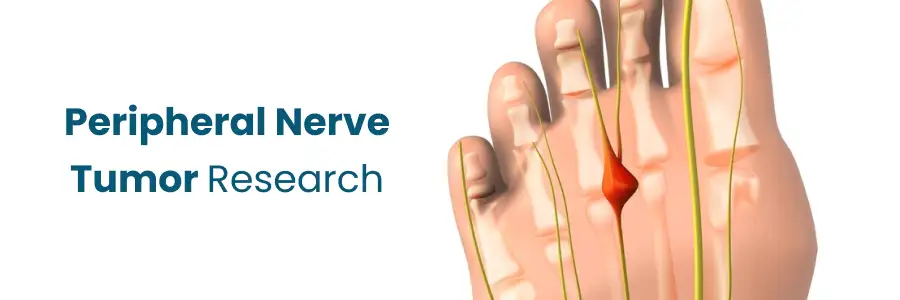
Peripheral nerve tumors originate in the peripheral nervous system, which includes all the nerves outside the brain and spinal cord. Depending on their location and size, these tumors can be benign or malignant and cause various symptoms. Common types of peripheral nerve tumors include Schwannomas, Neurofibromas, and Malignant Peripheral Nerve Sheath Tumors (MPNSTs). Early detection and diagnosis are crucial for the effective management and treatment of these tumors.
Types of Peripheral Nerve Tumors
- Schwannomas: These are benign tumors that develop from Schwann cells, which form the myelin sheath around nerves. Schwannomas are generally slow-growing and can be asymptomatic for a long time. However, when symptoms do appear, they often include pain, numbness, and muscle weakness in the affected area. Surgical removal is typically the treatment of choice, and the prognosis is generally favorable.
- Neurofibromas: Also benign, these tumors can affect multiple nerves and are often associated with Neurofibromatosis Type 1 (NF1). Neurofibromas can vary in size and may cause significant disfigurement and functional impairment. They can be challenging to treat due to their tendency to involve multiple nerves and surrounding tissues. Ongoing research is focused on finding less invasive treatment options and better understanding the genetic basis of NF1.
- Malignant Peripheral Nerve Sheath Tumors (MPNSTs): These are rare but aggressive tumors that can arise spontaneously or from pre-existing benign tumors. MPNSTs are known for their rapid growth and potential to metastasize to other parts of the body. Treatment often involves a combination of surgery, radiation therapy, and chemotherapy. The prognosis for MPNSTs is generally poor, highlighting the need for ongoing research and innovative treatment approaches.
Tumor Research Innovations at Medicover Hospitals
Medicover Hospitals in Vizag has established itself as a hub for modern tumor research innovations. Our advanced facilities and multidisciplinary team enable us to conduct comprehensive nerve tumor scientific studies. The primary focus areas include genetic and molecular research, advanced imaging techniques, and minimally invasive surgical techniques.
Genetic and Molecular Research
Understanding the genetic and molecular basis of peripheral nerve tumors is crucial for developing targeted therapies. Our research team is investigating the genetic mutations and molecular pathways involved in tumor development and progression. This includes studying gene expression profiles, identifying biomarkers, and exploring potential therapeutic targets. By unraveling the genetic underpinnings of these tumors, we aim to develop personalized treatment strategies that can improve patient outcomes.
In addition to genetic studies, our researchers are also exploring the role of epigenetic modifications in peripheral nerve tumors. Epigenetic changes can influence gene expression without altering the DNA sequence and may play a crucial role in tumor behavior. By targeting these epigenetic alterations, we hope to develop new therapeutic approaches that can effectively combat nerve tumors.
Advanced Imaging Techniques
Accurate diagnosis and monitoring of peripheral nerve tumors require advanced imaging techniques. At Medicover Hospitals, we employ high-resolution MRI, PET scans, and other innovative imaging modalities to visualize tumors with greater precision. These techniques not only aid in diagnosis but also help in planning surgical interventions and assessing treatment efficacy. Advanced imaging can also provide valuable information about tumor size, location, and involvement with surrounding structures.
Our imaging research also focuses on developing new contrast agents and imaging protocols that can enhance the visualization of nerve tumors. By improving the sensitivity and specificity of imaging techniques, we aim to detect tumors at earlier stages and monitor treatment responses more effectively. This can lead to better clinical outcomes and more personalized treatment plans for our patients.
Minimally Invasive Surgical Techniques
Due to the intricate network of nerves involved, surgical removal of peripheral nerve tumors can be challenging. Our surgeons are pioneers in minimally invasive techniques that reduce surgical trauma and enhance recovery. Techniques such as nerve-sparing surgery and the use of intraoperative neurophysiological monitoring are being refined and perfected through ongoing research studies. These approaches aim to preserve nerve function while effectively removing tumors.
In addition to traditional surgical methods, we are also exploring the use of robotic surgery and other advanced technologies to improve surgical precision and outcomes. Robotic-assisted surgery allows for more excellent mastery and control, which is particularly beneficial in complex nerve tumor surgeries. By integrating these technologies into our surgical practice, we aim to offer our patients the most advanced and effective treatment options available.
Get a second opinion from trusted experts and makeconfident, informed decisions.
Get Second OpinionNot sure where to start?
Talk to a patient care advisor — free, confidential, 24/7. We'll match you to the right specialist and book your appointment in minutes.
Ongoing Research Studies
Medicover Hospitals is actively involved in several ongoing research studies aimed at improving the understanding and treatment of peripheral nerve tumors. These studies encompass a wide range of approaches, from basic science to clinical trials. By conducting rigorous research, we hope to translate laboratory findings into clinical practice and improve patient outcomes.
Clinical Trials
Clinical trials are essential for translating laboratory findings into clinical practice. Our institution participates in various clinical trials evaluating new drugs, treatment protocols, and surgical techniques for peripheral nerve tumors. These trials offer patients access to modern therapies and contribute to the global body of knowledge on nerve tumor research. Participation in clinical trials also allows patients to receive novel treatments that may not be available through standard care.
In addition to drug trials, we are also conducting trials on innovative surgical techniques and imaging methods. These trials aim to assess the safety and efficacy of new approaches and provide evidence-based recommendations for clinical practice. By participating in these trials, our patients can benefit from the latest advancements in nerve tumor treatment and contribute to the advancement of medical science.
Collaborative Research Initiatives
Collaboration with other research institutions and medical centres is a cornerstone of our research strategy. By partnering with leading experts in the field, we aim to accelerate the pace of discovery and innovation. These collaborative research initiatives include joint studies, data sharing, and multidisciplinary team meetings to discuss complex cases and share insights. Collaboration fosters an interdisciplinary approach to research and enhances the quality and impact of our studies.
Our collaborative efforts also extend to international research networks and consortia.
By participating in global research initiatives, we can contribute to large-scale studies and benefit from diverse perspectives and expertise. These collaborations enhance our ability to address complex research questions and develop innovative solutions for the treatment of peripheral nerve tumors.
Impact on Patient Care
The advancements in nerve tumor research at Medicover Hospitals are directly impacting patient care in several ways. By integrating research findings into clinical practice, we are improving diagnosis, treatment, and overall patient outcomes.
Personalized Treatment Plans
The insights gained from genetic and molecular research enable us to develop personalized treatment plans tailored to the specific characteristics of each patient's tumor. This approach increases the likelihood of treatment success and minimizes side effects. Customised treatment plans consider the unique genetic and molecular profile of the cancer, allowing for more targeted and effective therapies.
In addition to genetic profiling, we use advanced imaging and other diagnostic tools to create comprehensive treatment plans. By considering all relevant factors, we can develop individualized strategies that address each patient's specific needs and preferences. This personalized approach enhances patient satisfaction and improves clinical outcomes.
Improved Surgical Outcomes
The adoption of advanced imaging techniques and minimally invasive surgical methods has led to improved surgical outcomes. Patients experience shorter hospital stays, faster recovery times, and reduced complications, enhancing their overall quality of life. Minimally invasive techniques also result in less postoperative pain and scarring, contributing to better patient satisfaction.
Our commitment to continuous improvement and innovation in surgical techniques ensures that our patients receive the best possible care. By incorporating the latest advancements in technology and surgical practice, we aim to achieve optimal outcomes for our patients with peripheral nerve tumors. This dedication to excellence in patient care is a hallmark of Medicover Hospitals.
Enhanced Monitoring and Follow-up
Ongoing research allows us to refine our monitoring and follow-up protocols. By utilizing modern imaging and molecular diagnostics, we can detect recurrences early and adjust treatment plans accordingly. Early detection of recurrences is crucial for successful intervention and can significantly improve long-term outcomes.
Our enhanced monitoring protocols also include regular follow-up visits and comprehensive assessments to ensure that patients receive continuous care and support. By closely monitoring patients' progress and addressing any concerns promptly, we aim to provide a seamless and positive patient experience. This proactive approach to follow-up care is essential for maintaining the health and well-being of our patients.
Your health is everything - prioritize your well-being today.
Schedule Your AppointmentFuture Directions in Nerve Tumor Research
The field of nerve tumor research is constantly evolving, and Medicover Hospitals is committed to staying at the forefront of these advancements. Future directions in our research efforts include exploring new therapeutic approaches, integrating advanced technologies, and conducting long-term studies.
Immunotherapy and Targeted Therapies
Exploring the potential of immunotherapy and targeted therapies is a key focus area. By harnessing the body's immune system and targeting specific molecular pathways, we aim to develop more effective treatments for malignant peripheral nerve tumors. Immunotherapy, in particular, has shown promise in treating various types of cancer and may offer new hope for patients with aggressive nerve tumors.
In addition to immunotherapy, we are also investigating the use of targeted therapies that specifically inhibit the molecular drivers of tumor growth.
These therapies have the potential to provide more precise and effective treatment options with fewer side effects. Our research aims to identify the most promising targets and develop novel therapies that can improve patient outcomes.
Artificial Intelligence and Machine Learning
The integration of artificial intelligence (AI) and machine learning (ML) into our research processes holds great promise. These technologies can analyze vast amounts of data, identify patterns, and predict treatment outcomes, ultimately leading to more precise and effective therapies. AI and ML can also assist in the development of personalized treatment plans and improve diagnostic accuracy.
Our research team is actively exploring the use of AI and ML in various aspects of nerve tumor research, including imaging analysis, genetic profiling, and treatment planning. By leveraging these advanced technologies, we aim to enhance our research capabilities and develop innovative solutions for the treatment of peripheral nerve tumors.
Longitudinal Studies
Longitudinal studies that track patients over extended periods are essential for understanding the long-term outcomes of various treatments. Our institution is dedicated to conducting such studies to provide valuable insights into the natural history of peripheral nerve tumors and the effectiveness of different interventions. These studies can help identify factors that influence treatment success and inform the development of best practices.
By following patients over time, we can also monitor the long-term effects of treatments and identify potential late-onset side effects. This information is crucial for optimizing treatment protocols and improving patient care. Our commitment to longitudinal research reflects our dedication to advancing the field of nerve tumor research and improving outcomes for our patients.
Conclusion
Peripheral nerve tumor research at Medicover Hospitals in Vizag is driving significant advancements in the understanding and treatment of these complex tumors. Through ongoing research studies, innovative techniques, and a commitment to patient care, we are making strides towards improving outcomes for patients with peripheral nerve tumors. Our multidisciplinary approach and collaboration with leading experts ensure that we remain at the modern of nerve tumor scientific studies.
By staying informed about the latest nerve tumor research and developments, we can continue to offer our patients the best possible care and hope for a brighter future. If you or a loved one is affected by a peripheral nerve tumor, we encourage you to reach out to Medicover Hospitals for the latest treatment options and expert guidance.
Frequently Asked Questions
Research in Vizag focuses on improving diagnostic methods, developing targeted therapies, and understanding the genetic and molecular basis of peripheral nerve tumors.
Yes, hospitals are conducted at local research institutions . Check with medicover hospitals for current trials.
Contact local research institutions or medicover hospitals to inquire about participation. They often have study coordinators who can provide information and eligibility criteria.
Research includes new drug therapies, targeted treatments, and innovative surgical techniques. hospitals may explore these best options.
Research findings can lead to improved diagnostic tools, more effective treatments, and better overall management of peripheral nerve tumors, benefiting patients through enhanced care options.
Information can be obtained from local universities, hospitals with research departments, and online databases of hospital and research studies.
- Cardiology
- Case Studies
- Dermatology
- Endocrinology
- ENT
- Fertility
- Gastroenterology
- General
- General-Medicine
- Gynecology
- Hematology
- Infectious-Diseases
- Medical News
- Neurology
- Oncology
- Ophthalmology
- Orthopedics
- Pediatrics
- Procedure
- Public-Health
- Pulmonology
- Radiology
- Second Opinion
- Urology
- Wellness
- Woman-and-child
Related Blogs
Still have questions? Speak with our experts now!
040-68334455


