 Call
Call Patient Reports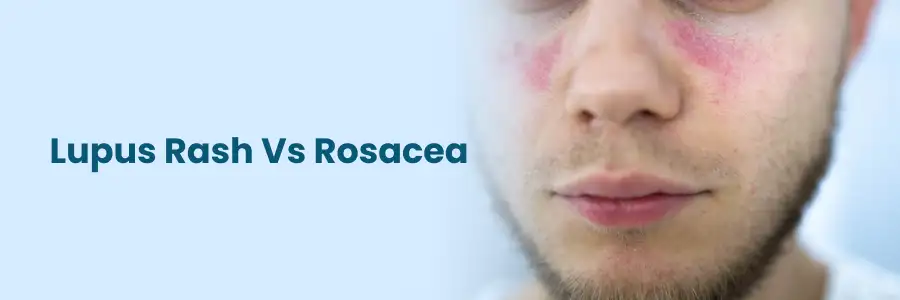
- 3759
- 3.5 Minute
Lupus Rash vs. Rosacea: Key Variations Explained
Are you struggling with a persistent facial rash that just won't seem to go away? Do you find yourself constantly trying different skincare products without success? Understanding the differences between lupus rash and rosacea is crucial for effective management and treatment. These conditions can significantly impact your daily life, from affecting your self-esteem to causing discomfort and pain.
Symptoms of Lupus Rash
Lupus rash, also known as malar rash or butterfly rash, is a common symptom of systemic lupus erythematosus (SLE). The rash typically appears on the cheeks and bridge of the nose in a butterfly-like pattern. Other common symptoms of lupus rash include:
- Red or purple patches on the skin
- Sensitivity to sunlight
- Flaky or scaly skin
- Skin lesions that worsen over time
It's essential to differentiate lupus rash from other skin conditions like rosacea to receive the appropriate treatment.
Differences between Lupus Rash and Rosacea
While both lupus rash and rosacea can cause facial redness and skin irritation, there are key differences that can help distinguish between the two conditions:
- Lupus rash often has a more symmetrical appearance, affecting both cheeks equally, while rosacea may be more unilateral.
- Patients with lupus rash may also experience joint pain, fatigue, and other systemic symptoms not typically seen in rosacea.
- Rosacea is usually triggered by factors like spicy foods, alcohol, and stress, whereas lupus rash can be triggered by sunlight exposure and certain medications.
Understanding these distinctions can aid in accurate diagnosis and tailored treatment plans.
Causes of Lupus Rash
The exact cause of lupus rash is not fully understood, but it is believed to be linked to an overactive immune system that mistakenly attacks healthy tissues. Factors that may contribute to the development of lupus rash include:
- Genetic predisposition
- Hormonal changes
- Exposure to sunlight
- Certain medications
Managing these triggers and seeking early intervention can help minimize lupus rash flare-ups.
Rosacea Triggers vs. Lupus Rash Triggers
Identifying triggers for both rosacea and lupus rash is crucial in managing these conditions effectively:
- Rosacea triggers: Spicy foods, hot beverages, alcohol, stress, extreme temperatures
- Lupus rash triggers: Sunlight exposure, certain medications, infections, stress
Avoiding these triggers and adopting a gentle skincare routine can help control symptoms and prevent exacerbations.
Diagnosing Lupus Rash and Rosacea
Diagnosing lupus rash and rosacea requires a thorough evaluation by a dermatologist or rheumatologist. Diagnostic methods may include:
- Skin examination
- Blood tests to check for autoimmune markers
- Biopsy of the skin for further analysis
Accurate diagnosis is essential to initiate timely treatment and prevent complications associated with these conditions.
Treatment Options for Lupus Rash
Management of lupus rash typically involves a multidisciplinary approach to address both skin manifestations and systemic involvement. Treatment options may include:
- Topical corticosteroids
- Antimalarial medications
- Immunosuppressants
- Sun protection measures
Individualized treatment plans tailored to the patient's specific needs can help improve quality of life and minimize disease activity.
Conclusion
In conclusion, understanding the differences between lupus rash and rosacea is crucial for accurate diagnosis and effective management. While both conditions can present with facial redness and skin irritation, their underlying causes, triggers, and associated symptoms differ significantly. By recognizing these distinctions and seeking timely medical intervention, individuals can better control their symptoms and improve their overall well-being.
Frequently Asked Questions
Lupus rash is often a butterfly shape on the face, triggered by sun, while rosacea causes redness and bumps, worsened by heat or diet; see a doctor for tests.
Early lupus signs include fatigue, joint pain, fever, and a butterfly rash on the face; symptoms vary and may mimic other conditions initially.
A lupus rash can last days to weeks, often flaring with sun exposure or stress; duration varies by person and treatment effectiveness.
Rosacea is often mistaken for acne, lupus rash, eczema, or allergic reactions due to similar redness and bumps; a dermatologist can diagnose it.
Triggers for lupus rash include sunlight, infections, stress, and certain medications. Protecting skin from UV rays is crucial.
- Cardiology
- Case Studies
- Dermatology
- Endocrinology
- ENT
- Fertility
- Gastroenterology
- General
- General-Medicine
- Gynecology
- Hematology
- Infectious-Diseases
- Medical News
- Neurology
- Oncology
- Ophthalmology
- Orthopedics
- Pediatrics
- Procedure
- Public-Health
- Pulmonology
- Radiology
- Second Opinion
- Urology
- Wellness
- Woman-and-child
Related Blogs
Still have questions? Speak with our experts now!
040-68334455


