 Call
Call Patient Reports
- Cardiology 84
- Dermatology 45
- Endocrinology 33
- ENT 16
- Fertility 190
- Gastroenterology 78
- General-Medicine 81
- Gynecology 80
- Hematology 19
- Infectious-Diseases 33
- Neurology 52
- Oncology 34
- Ophthalmology 23
- Orthopedics 69
- Pediatrics 31
- Procedure 23
- Public-Health 144
- Pulmonology 59
- Radiology 8
- Urology 68
- Wellness 161
- Woman-and-child 77
- 3759
- 3.5 Minute
Common Causes of Liver Cancer
Liver cancer is a severe disease that affects thousands of people worldwide each year. Understanding the risk factors and causes can help in prevention, early diagnosis, and treatment. In this article, we will explore the common causes of liver cancer, including lifestyle factors, infections, and other underlying health conditions.
What Is Liver Cancer?
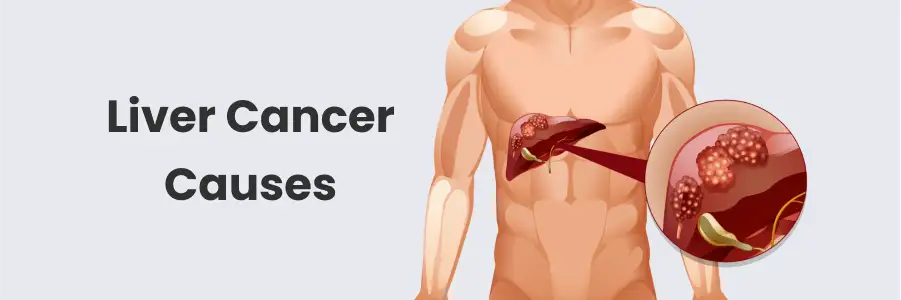
Liver cancer, also known as hepatic cancer, originates in the liver. The liver is a vital organ that performs many essential functions, such as detoxifying harmful substances, producing bile to aid digestion, and storing nutrients. When liver cells begin to grow uncontrollably, they can form a malignant tumor, leading to liver cancer.
Major Causes of Liver Cancer
Obesity and Liver Cancer Risk
Obesity is a significant risk factor for liver cancer. Excess body weight can lead to non-alcoholic fatty liver disease (NAFLD), where fat builds up in the liver. This condition can progress to non-alcoholic steatohepatitis (NASH), causing inflammation and liver damage, which may eventually lead to liver cancer.
Get a second opinion from trusted experts and makeconfident, informed decisions.
Get Second OpinionNot sure where to start?
Talk to a patient care advisor — free, confidential, 24/7. We'll match you to the right specialist and book your appointment in minutes.
Hepatitis and Liver Cancer
Hepatitis infections, particularly hepatitis B (HBV) and hepatitis C (HCV), are among the leading causes of liver cancer. Both viruses cause chronic liver inflammation, which can lead to cirrhosis and increase the risk of developing liver cancer.
Hepatitis B
Hepatitis B is a viral infection that attacks the liver and can cause both acute and chronic diseases. Chronic HBV infection significantly increases the risk of liver cancer. Vaccination can prevent hepatitis B, reducing the incidence of liver cancer linked to this virus.
Hepatitis C
Hepatitis C is another viral infection that can lead to chronic liver disease. Unlike hepatitis B, there is no vaccine for hepatitis C, but antiviral medications can cure the infection and reduce the risk of liver cancer. Regular screening and early treatment of HCV can help prevent liver complications.
Lifestyle Factors
Alcohol Consumption and Liver Cancer
Excessive alcohol consumption is a well-known cause of liver cancer. Chronic alcohol abuse can lead to alcoholic liver disease, including alcoholic hepatitis and cirrhosis, both of which are significant risk factors for liver cancer. Reducing alcohol intake can lower the risk of developing liver cancer.
Cirrhosis and Liver Cancer
Cirrhosis is a condition where the liver becomes scarred and damaged. It can result from chronic alcohol abuse, chronic hepatitis infections, or other liver diseases. Cirrhosis significantly increases the risk of liver cancer, as the damaged liver cells are more likely to become cancerous.
Your health is everything - prioritize your well-being today.
Schedule Your AppointmentOther Risk Factors for Liver Cancer
Other risk factors for liver cancer include:
- Diabetes:People with diabetes have a higher risk of liver cancer, possibly due to the association with obesity and fatty liver disease.
- Genetic Disorders:Some inherited liver diseases, like hemochromatosis and Wilson's disease, can increase the risk of liver cancer.
- Aflatoxin Exposure: Aflatoxins are toxic substances produced by certain moulds found in food. Long-term exposure to aflatoxins can lead to liver cancer.
Conclusion
Liver cancer is a complex disease with multiple causes. Understanding the risk factors, such as obesity, hepatitis infections, alcohol consumption, and underlying liver conditions, is crucial for prevention and early detection. By adopting a healthy lifestyle, getting vaccinated, and undergoing regular screenings, individuals can reduce their risk of developing liver cancer and improve their chances of early diagnosis and successful treatment.
Frequently Asked Questions
Yes, viral infections, particularly hepatitis B and hepatitis C, are major risk factors for liver cancer. Chronic infections can lead to liver inflammation, cirrhosis, and eventually cancer.
Smoking increases the risk of liver cancer by contributing to liver damage and enhancing the effects of other risk factors. It can also promote the development of cancerous cells in the liver.
Environmental factors such as exposure to aflatoxins (toxins from certain molds), industrial chemicals, and pollutants can increase the risk of liver cancer. Prolonged exposure to these substances can contribute to liver damage and cancer.
Diabetes, particularly type 2 diabetes, is associated with an increased risk of liver cancer. Chronic high blood sugar levels can lead to liver damage and promote the development of cancerous cells.
- Cardiology
- Case Studies
- Dermatology
- Endocrinology
- ENT
- Fertility
- Gastroenterology
- General
- General-Medicine
- Gynecology
- Hematology
- Infectious-Diseases
- Medical News
- Neurology
- Oncology
- Ophthalmology
- Orthopedics
- Pediatrics
- Procedure
- Public-Health
- Pulmonology
- Radiology
- Second Opinion
- Urology
- Wellness
- Woman-and-child
Related Blogs
Still have questions? Speak with our experts now!
040-68334455


