 Call
Call Patient Reports
- Cardiology 84
- Dermatology 45
- Endocrinology 33
- ENT 16
- Fertility 190
- Gastroenterology 78
- General-Medicine 81
- Gynecology 80
- Hematology 19
- Infectious-Diseases 33
- Neurology 52
- Oncology 34
- Ophthalmology 23
- Orthopedics 69
- Pediatrics 31
- Procedure 23
- Public-Health 144
- Pulmonology 59
- Radiology 8
- Urology 68
- Wellness 161
- Woman-and-child 77
- 3726
- 3.3 Minute
Understanding the Benefits of Ketocip Shampoo
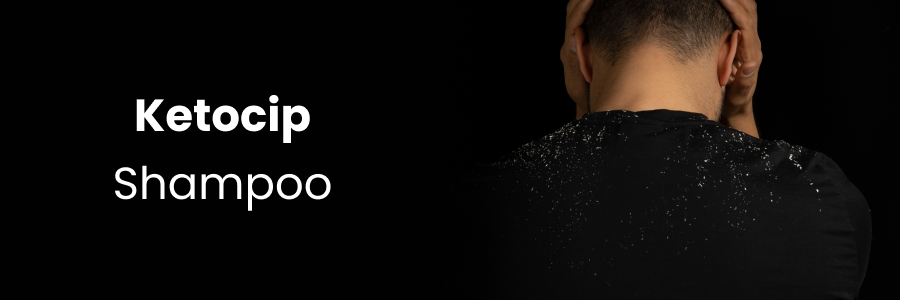
Dandruff is a common and often frustrating scalp condition that affects millions of people worldwide. For those seeking an effective solution, Ketocip Shampoo has emerged as a popular choice. Known for its potent antifungal properties, Ketocip Shampoo offers a comprehensive approach to addressing dandruff and associated scalp issues. In this article, we will delve into the benefits, uses, and potential side effects of Ketocip Shampoo.
What is Ketocip Shampoo?
Ketocip Shampoo is a medicated shampoo primarily used to treat dandruff and seborrheic dermatitis. The active ingredient in Ketocip Shampoo is Ketoconazole, a powerful antifungal agent that combats the yeast Malassezia, which is often responsible for dandruff and other scalp issues.
The Mechanism of Action
Antifungal Properties
Ketoconazole, the active component of Ketocip Shampoo, works by disrupting the cell membrane of the yeast Malassezia. This action inhibits the growth and proliferation of the fungus, effectively reducing the flaking and itching associated with dandruff.
Get a second opinion from trusted experts and makeconfident, informed decisions.
Get Second OpinionNot sure where to start?
Talk to a patient care advisor — free, confidential, 24/7. We'll match you to the right specialist and book your appointment in minutes.
Anti-inflammatory Effects
In addition to its antifungal properties, Ketoconazole also exhibits anti-inflammatory effects. This helps soothe the scalp, reducing redness and irritation, which are common symptoms of dandruff and seborrheic dermatitis.
Benefits of Using Ketocip Shampoo
Effective Dandruff Control
One of the most significant benefits of Ketocip Shampoo is its effectiveness in controlling dandruff. Regular use can lead to a noticeable reduction in scalp flaking, itching, and irritation, providing relief for those who suffer from chronic dandruff.
Broad-Spectrum Antifungal Activity
Ketocip Shampoo is not only effective against Malassezia but also against a range of other fungi. This broad-spectrum activity makes it a versatile solution for various scalp infections beyond just dandruff.
Easy to Use
Ketocip Shampoo fits seamlessly into your regular hair care routine. It is typically used twice a week, making it convenient for individuals with busy lifestyles.
Minimal Side Effects
When used as directed, Ketocip Shampoo is generally well-tolerated. Most users experience minimal side effects, making it a safe option for long-term use.
How to Use Ketocip Shampoo
Application Instructions
- Wet Hair and Scalp: Start by thoroughly wetting your hair and scalp.
- Apply Shampoo: Apply a small amount of Ketocip Shampoo to the scalp and massage gently to form a lather.
- Leave on for 5 Minutes: Allow the shampoo to remain on the scalp for about 5 minutes to ensure maximum efficacy.
- Rinse Thoroughly: Rinse your hair and scalp thoroughly with water.
Frequency of Use
For optimal results, Ketocip Shampoo should be used twice a week. Overuse or underuse can diminish its effectiveness, so it is essential to adhere to the recommended frequency.
Potential Side Effects
Common Side Effects
While Ketocip Shampoo is generally safe, some users may experience mild side effects, such as:
- Scalp dryness
- Mild hair loss
- Changes in hair texture
Rare but Serious Side Effects
In rare cases, more severe side effects may occur, including:
- Severe scalp irritation
- Allergic reactions such as rash, itching, or swelling
- Difficulty breathing
If you experience any severe side effects, discontinue use immediately and consult a healthcare professional.
Who Should Use Ketocip Shampoo?
Suitable Candidates
Ketocip Shampoo is suitable for adults and children over the age of 12 who suffer from dandruff or seborrheic dermatitis. It is also appropriate for individuals dealing with fungal scalp infections.
Precautions
Before using Ketocip Shampoo, it is crucial to consider the following precautions:
- Allergic Reactions: If you have a known allergy to Ketoconazole or any other ingredient in Ketocip Shampoo, avoid using it.
- Pregnancy and Breastfeeding: Consult your healthcare provider before using Ketocip Shampoo if you are pregnant or breastfeeding.
- Other Medications: Inform your doctor about any other medications you are taking to avoid potential interactions.
Comparing Ketocip Shampoo with Other Anti-Dandruff Shampoos
Ketocip Shampoo vs. Zinc Pyrithione Shampoos
Zinc Pyrithione shampoos, such as Head & Shoulders, are another popular choice for treating dandruff. While both Ketocip and Zinc Pyrithione shampoos are effective, Ketocip's antifungal properties provide a more targeted approach to eliminating the root cause of dandruff.
Ketocip Shampoo vs. Coal Tar Shampoos
Coal tar shampoos are known for their ability to slow down the production of skin cells, thereby reducing flaking. However, they can be less effective against fungal infections compared to Ketocip Shampoo. Additionally, coal tar shampoos often have an unpleasant smell and can stain hair and clothing.
Your health is everything - prioritize your well-being today.
Schedule Your AppointmentConclusion
Ketocip Shampoo stands out as a powerful and effective solution for treating dandruff and seborrheic dermatitis. Its antifungal and anti-inflammatory properties address the root causes of these conditions, providing relief from symptoms and promoting a healthier scalp.
Frequently Asked Questions
Ketocip Shampoo is primarily used to treat dandruff, fungal scalp infections, and seborrheic dermatitis, providing relief from itchiness and flakes.
Apply Ketocip Shampoo to the wet scalp, leave it on for 3-5 minutes before rinsing. Use 2-3 times a week as recommended by your healthcare provider.
While Ketocip Shampoo is designed to treat scalp infections, it indirectly supports healthier hair, but it is not specifically for hair loss prevention.
Possible side effects include mild irritation, dryness, or allergic reactions. Discontinue use and consult a doctor if side effects persist.
You may start seeing improvements in dandruff or scalp conditions within 2-4 weeks of consistent use.
Disclaimer: The information provided is accurate and up-to-date to the best of our knowledge. However, it should not be considered a substitute for medical advice or consultation. We do not guarantee its completeness or accuracy. The absence of specific warnings does not mean a medicine is safe for all users. We are not responsible for any outcomes based on this information and strongly recommend consulting a doctor for any medical concerns or questions.
- Cardiology
- Case Studies
- Dermatology
- Endocrinology
- ENT
- Fertility
- Gastroenterology
- General
- General-Medicine
- Gynecology
- Hematology
- Infectious-Diseases
- Medical News
- Neurology
- Oncology
- Ophthalmology
- Orthopedics
- Pediatrics
- Procedure
- Public-Health
- Pulmonology
- Radiology
- Second Opinion
- Urology
- Wellness
- Woman-and-child
Related Blogs
Still have questions? Speak with our experts now!
040-68334455


