 Call
Call Patient Reports
- Cardiology 84
- Dermatology 45
- Endocrinology 33
- ENT 16
- Fertility 190
- Gastroenterology 78
- General-Medicine 81
- Gynecology 80
- Hematology 19
- Infectious-Diseases 33
- Neurology 52
- Oncology 34
- Ophthalmology 23
- Orthopedics 69
- Pediatrics 31
- Procedure 23
- Public-Health 144
- Pulmonology 59
- Radiology 8
- Urology 68
- Wellness 161
- Woman-and-child 77
- 2748
- 3.7 Minute
Written by Medicover Team and Medically Reviewed by Dr Sudhir Suryakant Shetkar, Senior Consultant Interventional Cardiologist
How FFR, IVUS, and OCT Improve Accuracy in Heart Treatment
Heart disease is one of the most common health concerns today. Many people undergo angiography to check for blockages in the heart arteries. While angiography gives a basic view, it may not always show how severe the blockage is or whether it truly needs treatment.
This is where advanced techniques like FFR, IVUS, and OCT play an important role. These technologies help doctors make more accurate decisions and provide better care for patients.
What Is Angiography and Its Limitations?
Angiography is a test that uses dye and X-rays to look at blood flow in the heart arteries. It helps identify narrowing or blockages.
However, angiography only shows a two-dimensional image. It may not clearly indicate how much the blockage is affecting blood flow. In some cases, this can lead to uncertainty in treatment decisions.
For patients living around ITPL Main Road or nearby areas, access to advanced diagnostics can make a significant difference in treatment accuracy.
What Are FFR, IVUS, and OCT?
These are advanced tools used during heart procedures to get a detailed and accurate understanding of artery blockages.
FFR (Fractional Flow Reserve)
FFR measures the blood pressure and flow inside the artery. It helps doctors understand whether a blockage is actually restricting blood flow and needs treatment.
IVUS (Intravascular Ultrasound)
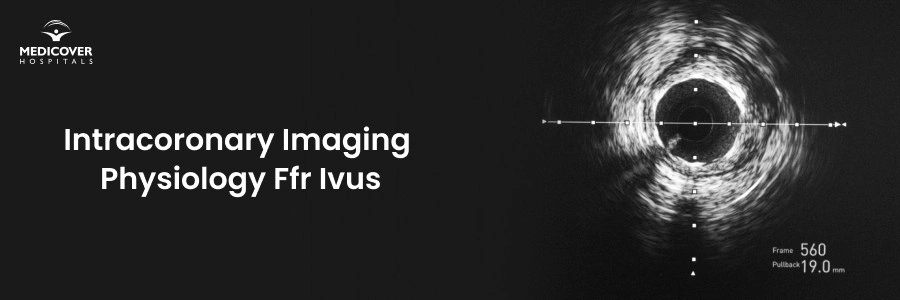
IVUS uses sound waves to create detailed images from inside the artery. It shows the size, structure, and extent of plaque buildup.
OCT (Optical Coherence Tomography)
OCT uses light waves to provide very high-resolution images. It helps in identifying even small details inside the artery, ensuring precise treatment.
Patients from areas like Hoodi often benefit from these advanced techniques when accurate diagnosis is required.
Get a second opinion from trusted experts and makeconfident, informed decisions.
Get Second OpinionNot sure where to start?
Talk to a patient care advisor — free, confidential, 24/7. We'll match you to the right specialist and book your appointment in minutes.
How These Technologies Improve Treatment Accuracy
FFR, IVUS, and OCT provide more clarity than traditional angiography. This helps cardiologists plan the best treatment for each patient.
Better decision-making
Doctors can easily judge if the blockage requires a procedure or can be controlled with medicines.
Precise stent placement
These tools guide the exact placement and expansion of stents, reducing complications.
Avoiding unnecessary procedures
Not all blockages need intervention. FFR helps avoid unnecessary angioplasty.
Improved patient outcomes
Accurate diagnosis leads to safer procedures and better recovery.
Residents near Ayyappa Nagar can access advanced cardiac care that focuses on precision and safety.
When Are These Tests Recommended?
Doctors may suggest FFR, IVUS, or OCT in situations like:
- When the angiography results are not very clear and need a closer look
- When there are blockages in more than one artery
- During complex angioplasty, where better guidance is needed for accurate treatment
- To check the success of a stent placement
These technologies are especially useful in patients with complex coronary artery disease.
Your health is everything - prioritize your well-being today.
Schedule Your AppointmentImportance of Early Diagnosis
Early detection of heart problems can prevent serious complications. Many people ignore symptoms like mild chest pain or shortness of breath until the condition worsens.
Benefits of early diagnosis:
- Helps identify heart blockages at an early stage, before they become serious
- Lowers the chances of a heart attack by starting treatment on time
- Makes it easier to begin the right treatment with better results
- Can reduce the need for more complicated procedures later
Regular health check-ups play an important role, especially for people with conditions like diabetes, high blood pressure, or a family history of heart disease.
For those living in Hobli and nearby areas, getting a timely heart evaluation can support better long-term health and peace of mind.
Choosing the Right Cardiac Care
Accurate diagnosis and treatment require experienced cardiologists and advanced technology. It is important to choose a hospital that offers comprehensive cardiac services.
You can visit the Best Cardiology Hospital in Nashik Maharashtra for advanced heart care, including modern diagnostic and interventional procedures.
For specialized consultation, you may connect with the FFR, IVUS and OCT Specialist in Nashik for expert evaluation and treatment.
You can also meet the Best Cardiologists in Nashik Maharashtra for Advanced Heart Care & Interventional Procedures to receive personalized care based on your condition.
Conclusion
Angiography has been a valuable tool in diagnosing heart disease, but modern cardiology has moved beyond it. Techniques like FFR, IVUS, and OCT give doctors a clearer picture of what's happening inside the arteries, helping them plan treatment more accurately.
These advanced tools support better decisions, reduce the chances of unnecessary procedures, and make the overall treatment safer for patients. If you experience symptoms related to heart disease, do not delay seeking medical advice. Early diagnosis and expert care can make a significant difference in protecting your heart health. Consult a qualified cardiologist to understand the most suitable treatment options for you.
Frequently Asked Questions
FFR is not required for every patient. It is usually recommended when the severity of a blockage is unclear or when doctors need to decide whether a stent is needed.
IVUS uses ultrasound waves to create images from inside the artery, while OCT uses light waves to provide higher-resolution images. Both help doctors see the artery more clearly and plan treatment.
Yes, FFR, IVUS, and OCT are generally safe when performed by experienced cardiologists. They are commonly used during angioplasty to improve accuracy and outcomes.
Yes, especially FFR helps determine whether a blockage actually needs treatment. This can help avoid unnecessary stent placement in some cases.
Doctors recommend IVUS or OCT when they need a detailed view of the artery, especially in complex cases or during stent placement, to ensure proper positioning.
- Cardiology
- Case Studies
- Dermatology
- Endocrinology
- ENT
- Fertility
- Gastroenterology
- General
- General-Medicine
- Gynecology
- Hematology
- Infectious-Diseases
- Medical News
- Neurology
- Oncology
- Ophthalmology
- Orthopedics
- Pediatrics
- Procedure
- Public-Health
- Pulmonology
- Radiology
- Second Opinion
- Urology
- Wellness
- Woman-and-child
Related Blogs
Still have questions? Speak with our experts now!
040-68334455


