 Call
Call Patient Reports
- Cardiology 84
- Dermatology 45
- Endocrinology 33
- ENT 16
- Fertility 190
- Gastroenterology 78
- General-Medicine 81
- Gynecology 80
- Hematology 19
- Infectious-Diseases 33
- Neurology 52
- Oncology 34
- Ophthalmology 23
- Orthopedics 69
- Pediatrics 31
- Procedure 23
- Public-Health 144
- Pulmonology 59
- Radiology 8
- Urology 68
- Wellness 161
- Woman-and-child 77
- 3759
- 3.5 Minute
Hydroureteronephrosis Treatment
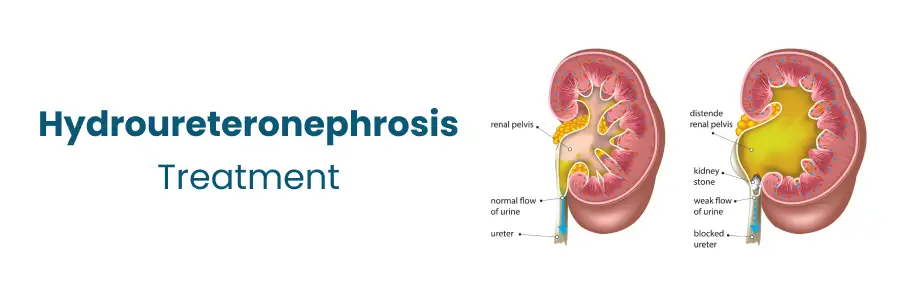
Hydroureteronephrosis is a medical condition where the ureter and kidney become swollen due to urine buildup. This can be caused by an obstruction or blockage that prevents urine from draining properly. Understanding the causes and treatment options for hydroureteronephrosis is essential for managing the condition and maintaining kidney function.
In this article, we'll explore various treatment strategies for hydroureteronephrosis, including nephrostomy, ureteral stenting, medical treatments, and surgical interventions.
Get a second opinion from trusted experts and makeconfident, informed decisions.
Get Second OpinionNot sure where to start?
Talk to a patient care advisor — free, confidential, 24/7. We'll match you to the right specialist and book your appointment in minutes.
Understanding Hydroureteronephrosis
Causes of Hydroureteronephrosis
Hydroureteronephrosis can result from several underlying causes, including:
- Kidney stones
- Tumors
- Congenital abnormalities
- Infections
- Scar tissue from previous surgeries
Identifying the root cause is crucial for determining the most effective treatment plan.
Symptoms and Diagnosis
Symptoms of hydroureteronephrosis may include flank pain, abdominal pain, frequent urination, and urinary tract infections. Diagnosis typically involves imaging tests such as ultrasounds, CT scans, or MRIs to visualize the swelling and pinpoint the obstruction.
Treatment Options for Hydroureteronephrosis
Medical Treatment for Hydroureteronephrosis
In some cases, hydroureteronephrosis can be managed with medications. Antibiotics may be prescribed to treat infections, while pain relievers can help manage discomfort. Additionally, medications to dissolve kidney stones or reduce inflammation may be used.
Nephrostomy for Hydroureteronephrosis
A nephrostomy involves placing a tube directly into the kidney to drain urine. This procedure is typically used when there is a complete blockage or when other treatments have failed. It provides immediate relief by allowing urine to bypass the obstruction and flow directly out of the body.
Ureteral Stenting for Hydroureteronephrosis
Ureteral stenting involves inserting a thin tube into the ureter to keep it open and allow urine to pass through. This can be a temporary or long-term solution, depending on the severity of the blockage. Stents are often used in conjunction with other treatments, such as surgery or lithotripsy, to ensure proper urine flow.
Surgical Interventions for Hydroureteronephrosis
Surgery may be necessary to remove the blockage causing hydroureteronephrosis. Common surgical procedures include:
- Ureteroscopy: A small camera is inserted into the ureter to locate and remove the blockage.
- Percutaneous nephrolithotomy: Used to remove large kidney stones through a small incision in the back.
- Pyeloplasty: Surgical reconstruction of the ureter to correct congenital abnormalities or damage.
Hydroureteronephrosis Management
Effective management of hydroureteronephrosis involves regular monitoring and follow-up care. Patients may need periodic imaging tests to ensure that the ureter remains open and that kidney function is maintained. Lifestyle changes, such as increasing water intake and avoiding foods that contribute to kidney stones, can also help prevent future occurrences.
Hydroureteronephrosis and Kidney Function
Hydroureteronephrosis can have a significant impact on kidney function if left untreated. The buildup of urine can lead to kidney damage, infections, and decreased kidney function. Early diagnosis and treatment are essential to prevent long-term complications and preserve kidney health.
Monitoring Kidney Function
Regular monitoring of kidney function is crucial for patients with hydroureteronephrosis. Blood tests, urine tests, and imaging studies can help assess kidney function and detect any changes early. Timely intervention can prevent further damage and improve outcomes.
Preventing Recurrence
Preventing the recurrence of hydroureteronephrosis involves addressing the underlying causes and making lifestyle changes. Patients should follow their doctor's recommendations for managing kidney stones, infections, and other conditions that can lead to obstructions. Staying hydrated, maintaining a healthy diet, and avoiding excessive salt and protein intake can also help reduce the risk of recurrence.
Your health is everything - prioritize your well-being today.
Schedule Your AppointmentConclusion
Hydroureteronephrosis is a serious condition that requires prompt and effective treatment to prevent kidney damage and maintain proper urine flow. Treatment options range from medical management and nephrostomy to ureteral stenting and surgical interventions. By understanding the causes, symptoms, and treatment options for hydroureteronephrosis, patients can work with their healthcare providers to develop a comprehensive treatment plan that addresses their specific needs.
Regular monitoring and follow-up care are essential for managing hydroureteronephrosis and preventing recurrence. With the right treatment strategy, patients can maintain kidney function and improve their overall quality of life.
Frequently Asked Questions
Hydroureteronephrosis is a condition characterized by the swelling of the ureter and kidney due to a blockage or obstruction that prevents urine from flowing normally.
Treatment depends on the underlying cause but may include medications to manage symptoms, procedures to relieve the obstruction, and surgery to correct anatomical issues.
The underlying cause, such as kidney stones or tumors, is treated with appropriate interventions like stone removal, tumor resection, or stenting to relieve the obstruction.
Non-surgical treatments may include medications to manage pain and inflammation, as well as procedures like ureteral stenting or percutaneous nephrostomy to drain excess urine.
Untreated hydroureteronephrosis can lead to kidney damage, urinary tract infections, and loss of kidney function. Early diagnosis and treatment are crucial to prevent complications.
- Cardiology
- Case Studies
- Dermatology
- Endocrinology
- ENT
- Fertility
- Gastroenterology
- General
- General-Medicine
- Gynecology
- Hematology
- Infectious-Diseases
- Medical News
- Neurology
- Oncology
- Ophthalmology
- Orthopedics
- Pediatrics
- Procedure
- Public-Health
- Pulmonology
- Radiology
- Second Opinion
- Urology
- Wellness
- Woman-and-child
Related Blogs
Still have questions? Speak with our experts now!
040-68334455


