 Call
Call Patient Reports
- Cardiology 84
- Dermatology 45
- Endocrinology 33
- ENT 16
- Fertility 190
- Gastroenterology 78
- General-Medicine 81
- Gynecology 80
- Hematology 19
- Infectious-Diseases 33
- Neurology 52
- Oncology 34
- Ophthalmology 23
- Orthopedics 69
- Pediatrics 31
- Procedure 23
- Public-Health 144
- Pulmonology 59
- Radiology 8
- Urology 68
- Wellness 161
- Woman-and-child 77
- 3124
- 3.2 Minute
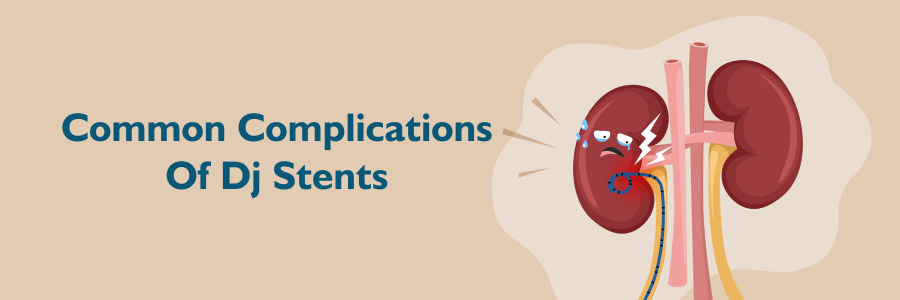
Common complications of DJ stents
Double J (DJ) stents are small, soft tubes shaped like the letter "J" that are inserted into the ureter to ensure that urine can flow from the kidneys to the bladder. They are a common urological intervention, particularly after procedures such as kidney stone removal or ureteral surgeries. While they are generally safe and effective, some patients may experience complications associated with DJ stents. Understanding these potential issues can help manage and prevent them effectively.
Get a second opinion from trusted experts and makeconfident, informed decisions.
Get Second OpinionNot sure where to start?
Talk to a patient care advisor — free, confidential, 24/7. We'll match you to the right specialist and book your appointment in minutes.
DJ Stent Irritation
One of the most frequently reported side effects of a DJ stent is irritation. Patients may experience symptoms such as:
- A persistent need to urinate
- A burning sensation during urination
- Blood in the urine (hematuria)
- Lower abdominal pain
These symptoms occur as a response to the stent irritating the lining of the ureter and bladder. While discomfort is joint, it should be manageable with prescribed medications and should diminish over time.
Infection Risk
The insertion of a DJ stent is an invasive procedure, and like any such medical intervention, it carries a risk of infection. Bacteria can enter the urinary tract during stent placement, leading to symptoms like fever, chills, and worsening pain. Preventative measures such as prophylactic antibiotics are often employed to mitigate this risk.
After Stent Removal
The period following stent removal can also be susceptible to infections. Patients must be vigilant for signs of urinary tract infections (UTIs) and seek prompt medical attention if symptoms such as fever or painful urination occur.
Kidney Stent Complication Symptoms
DJ stents can sometimes lead to complications involving the kidneys themselves. Signs of kidney issues can include flank pain, fever, and nausea. If severe, these symptoms could indicate a more serious condition like stent blockage or migration, which may require immediate medical intervention.
Encrustation and Blockage
Over time, minerals from the urine can deposit on the stent, leading to encrustation. This can cause a blockage in the stent, which, if not addressed, may lead to kidney damage. Regular monitoring and timely stent exchanges are crucial in preventing this complication.
DJ Stent Failure Symptoms
In rare instances, a stent may fail to function correctly. Symptoms of stent failure include persistent pain, recurrent infections, and loss of kidney function. If a stent is not working as intended, it may need to be repositioned, replaced, or removed.
DJ stent Complications After Removal
Even after a DJ stent is removed, complications can occur. These might include ureteral stricture, where the ureter becomes narrow, leading to obstructed urine flow. Patients should monitor their symptoms post-removal and report any new or worsening issues to their healthcare provider.
Managing DJ stent Side Effects
While the potential for complications exists, most side effects of DJ stents are manageable with proper care and follow-up. Patients should maintain open communication with their healthcare provider, adhere to follow-up schedules, and take prescribed medications to minimize discomfort and prevent serious complications.
In conclusion, while DJ stents are valuable tools in the treatment of urinary tract issues, awareness and proactive management of potential complications are key to ensuring patient comfort and safety. If you experience any unusual symptoms while having a DJ stent or after its removal, contact your healthcare provider immediately.
Your health is everything - prioritize your well-being today.
Schedule Your AppointmentFrequently Asked Questions
- Comfortable Position: To reduce pressure on the stent, sleep on your side with a pillow between your legs or on your back with a pillow under your knees.
- Medication: Use prescribed pain relief medication to manage discomfort.
- Hydration: Stay well-hydrated to reduce the risk of urinary tract infections (UTIs) and discomfort.
- Bladder Management: Empty your bladder before bed to minimize nighttime awakenings.
- Common side effects include urinary frequency, urgency, and discomfort during urination.
- Back pain, abdominal pain, and hematuria (blood in the urine) may also occur.
- Infections: UTIs and kidney infections.
- Stent Migration: The stent may move from its original position.
- Encrustation: Mineral deposits can form on the stent.
- Blockage: The stent can become blocked, impairing urine flow.
- Stent-related discomfort: The most common complications experienced by patients are pain, urinary frequency, and urgency.
- Severe pain in the abdomen or back.
- Fever or chills indicating a possible infection.
- Difficulty urinating or complete inability to urinate.
- Hematuria (blood in the urine) persists beyond the expected period.
- Infections: Pre-existing infections increase the risk.
- Previous Surgeries: Prior urinary tract surgeries can complicate stent placement.
- Chronic Conditions: Conditions like diabetes or immune system disorders can heighten risks.
- Stent Encrustation: Patients prone to forming kidney stones are at higher risk for encrustation.
- Bladder Irritation: Increased urinary frequency and urgency.
- Pain: Discomfort in the bladder, kidney, or lower abdomen.
- Hematuria: Blood in the urine, especially after physical activity.
- Urinary Tract Infections: Increased risk due to the presence of the stent.
- Yes: Intercourse is generally safe but may cause discomfort or pain for some individuals.
- Consult Your Doctor: Always discuss with your healthcare provider for personalized advice and to ensure safety based on your specific condition.
- Cardiology
- Case Studies
- Dermatology
- Endocrinology
- ENT
- Fertility
- Gastroenterology
- General
- General-Medicine
- Gynecology
- Hematology
- Infectious-Diseases
- Medical News
- Neurology
- Oncology
- Ophthalmology
- Orthopedics
- Pediatrics
- Procedure
- Public-Health
- Pulmonology
- Radiology
- Second Opinion
- Urology
- Wellness
- Woman-and-child
Related Blogs
Still have questions? Speak with our experts now!
040-68334455


