 Call
Call Patient Reports
- Cardiology 84
- Dermatology 45
- Endocrinology 33
- ENT 16
- Fertility 190
- Gastroenterology 78
- General-Medicine 81
- Gynecology 80
- Hematology 19
- Infectious-Diseases 33
- Neurology 52
- Oncology 34
- Ophthalmology 23
- Orthopedics 69
- Pediatrics 31
- Procedure 23
- Public-Health 144
- Pulmonology 59
- Radiology 8
- Urology 68
- Wellness 161
- Woman-and-child 77
- 3759
- 3.5 Minute
Understanding Granulomas: Causes and Treatments
Granulomas can be a confusing topic for many, but understanding them is crucial for anyone dealing with this condition. In this article, we'll break down what granulomas are, their causes, types, symptoms, diagnosis, and treatment options. By the end, you'll have a clearer picture of how to manage and treat granulomas.
What Are Granulomas?
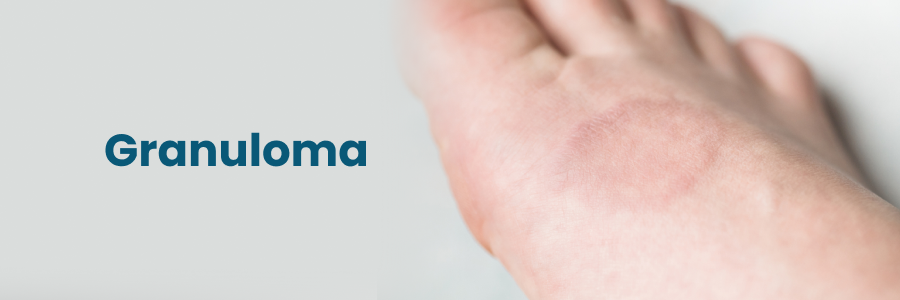
Granulomas are small areas of inflammation caused by the immune system's response to harmful substances. These substances can be anything from bacteria and fungi to foreign particles. The body's immune cells group together to form a granuloma, attempting to isolate and contain the harmful substance.
Causes of Granulomas
Granulomas can form for various reasons. Some common causes include:
Infections
- Bacterial Infections: Certain bacteria, like Mycobacterium tuberculosis, can cause granulomas. This is seen in diseases like tuberculosis.
- Fungal Infections: Fungi such as Histoplasma capsulatum can lead to granuloma formation.
- Parasitic Infections: Parasites can sometimes trigger an immune response that results in granulomas.
Get a second opinion from trusted experts and makeconfident, informed decisions.
Get Second OpinionNot sure where to start?
Talk to a patient care advisor — free, confidential, 24/7. We'll match you to the right specialist and book your appointment in minutes.
Autoimmune Diseases
Conditions like sarcoidosis and Crohn's disease can cause the immune system to form granulomas even in the absence of an infection.
Foreign Bodies
Sometimes, the body reacts to foreign particles like splinters, sutures, or even certain types of dust, leading to granuloma formation.
Types of Granulomas
Granulomas come in various types, depending on their cause and appearance under a microscope.
Caseating Granulomas
These granulomas have a central area of necrosis, a dead tissue, and are often caused by tuberculosis.
Non-caseating Granulomas
These do not have a central area of necrosis and are commonly seen in conditions like sarcoidosis.
Foreign Body Granulomas
These form around foreign substances that the body cannot break down or remove.
Symptoms of Granulomas
The symptoms of granulomas can vary widely depending on their location and cause. Common symptoms include:
- Lumps: Visible or palpable lumps under the skin.
- Pain: Pain in the affected area.
- Cough: If the granulomas are in the lungs, a persistent cough may occur.
- Fever: Especially if the granulomas are due to an infection.
- Fatigue: General feeling of tiredness and lack of energy.
Diagnosis of Granulomas
Diagnosing granulomas usually involves a combination of medical history, physical examinations, and diagnostic tests.
Medical History and Physical Examination
Your doctor will start by asking about your symptoms and medical history. They will also perform a physical examination to check for lumps or other signs of granulomas.
Imaging Tests
- X-rays: Can help identify granulomas in organs like the lungs.
- CT Scans: Provide more detailed images and can help locate granulomas.
- MRI: Useful for detecting granulomas in soft tissues.
Biopsy
A biopsy involves taking a small tissue sample from the affected area and examining it under a microscope. This can help determine the type and cause of the granuloma.
Granuloma vs. Other Lesions
It's important to distinguish granulomas from other types of lesions, such as tumors. Unlike cancerous tumors, granulomas are generally non-cancerous and result from inflammation. However, both can appear similar in imaging tests, making accurate diagnosis crucial.
Treatment Options for Granulomas
The treatment for granulomas depends on their cause and severity.
Medications
- Antibiotics: If the granuloma is caused by a bacterial infection.
- Antifungals: For fungal infections.
- Steroids: To reduce inflammation in autoimmune conditions.
- Immunosuppressants: Used in severe cases of autoimmune diseases.
Your health is everything - prioritize your well-being today.
Schedule Your AppointmentSurgery
In some cases, surgical removal of the granuloma may be necessary, especially if it is causing significant symptoms or complications.
Observation
In cases where the granuloma is not causing symptoms or harm, doctors may opt for a "wait and see" approach, monitoring the condition over time.
Preventing Granulomas
Preventing granulomas largely depends on managing the underlying conditions that cause them. Here are some general tips:
- Avoid Exposure: To known irritants and harmful substances that can trigger granulomas.
- Regular Check-ups: Especially if you have a condition known to cause granulomas.
- Medication Compliance: Follow your doctor's advice and take medications as prescribed.
Conclusion
Granulomas are a response by your immune system to various harmful substances. Understanding their causes, types, symptoms, and treatment options can help you manage this condition effectively. If you suspect you have a granuloma, consult your healthcare provider for a thorough evaluation and appropriate treatment.
By staying informed and proactive, you can better navigate the challenges posed by granulomas and maintain your overall health.
Frequently Asked Questions
A granuloma is a small area of inflammation in tissue.
Granulomas can be caused by infections, diseases, or irritants.
Diagnosis usually involves imaging and biopsy.
Symptoms can include swelling, pain, or lumps.
Treatment options may include medications or surgery.
- Cardiology
- Case Studies
- Dermatology
- Endocrinology
- ENT
- Fertility
- Gastroenterology
- General
- General-Medicine
- Gynecology
- Hematology
- Infectious-Diseases
- Medical News
- Neurology
- Oncology
- Ophthalmology
- Orthopedics
- Pediatrics
- Procedure
- Public-Health
- Pulmonology
- Radiology
- Second Opinion
- Urology
- Wellness
- Woman-and-child
Related Blogs
Still have questions? Speak with our experts now!
040-68334455


